
Last updated:
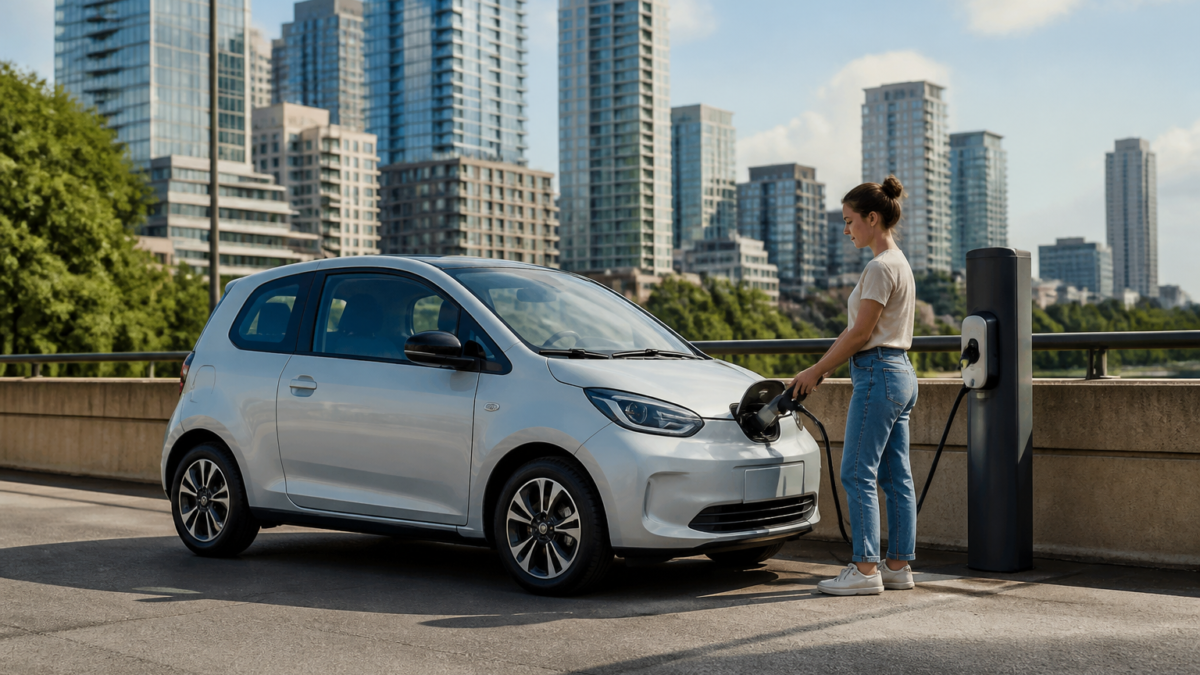
The world of small electric cars is evolving rapidly, but with the shift comes a complex landscape for American buyers seeking compact, affordable, and eco-conscious vehicles. While the promise of mini and micro electric vehicles—tiny, low-cost cars ideal for dense urban areas—has captured global attention, the U.S. market in 2026 presents a unique reality. True micro EVs (under 130 inches long, MSRP under $20,000) are extremely limited in availability for American buyers. Instead, subcompacts like the Chevrolet Bolt, Nissan Leaf S, and MINI Cooper SE—ranging from 114 to 303 EPA-rated miles with base prices around $29,000 to $35,000—dominate the segment. These vehicles offer notable advantages in energy efficiency and urban maneuverability, but also present tradeoffs in real-world range and total costs. Below, we explore what defines small electric cars now, the latest models available in the United States, key considerations for buyers, and the trends shaping the future of compact EVs worldwide. Whether your goal is sustainable commuting, reduced operating expenses, or simply easier parking, understanding these vehicles’ true benefits and limitations is crucial before driving electric.12
What Defines a Small Electric Car in 2026?
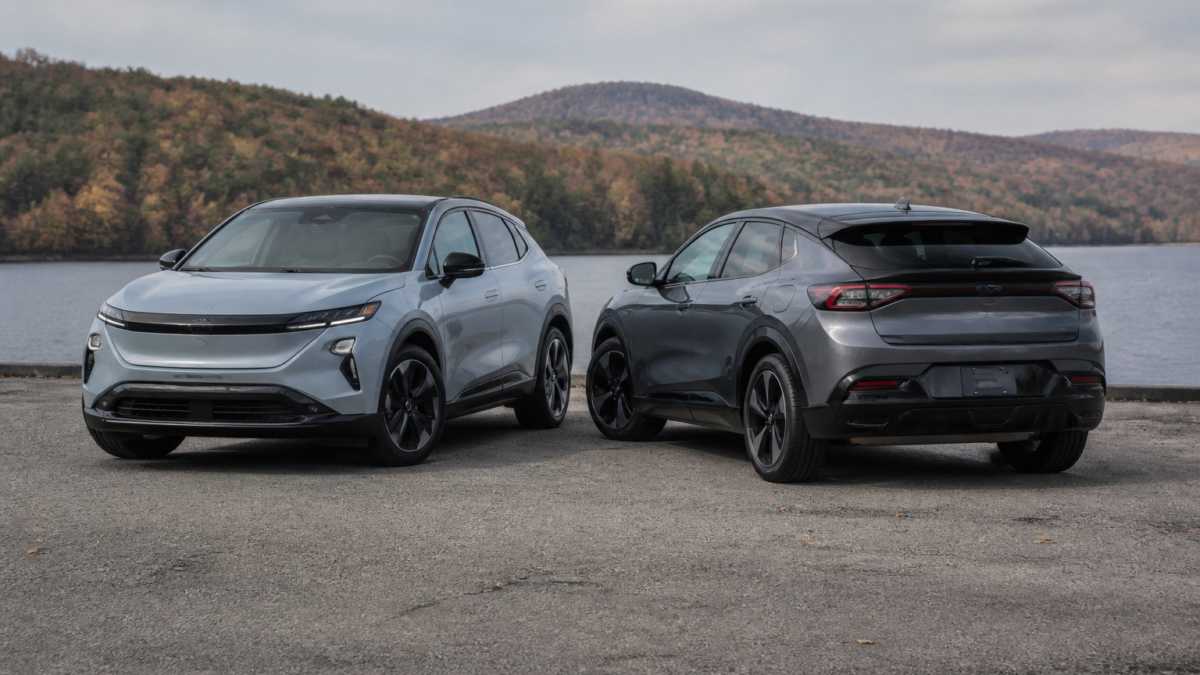
Globally, “small electric car” may indicate microcars (sometimes called quadricycles or B-segment vehicles), but in the U.S. the most compact highway-legal EVs available in 2026 are subcompacts or city-focused hatches. Examples include:
- Chevrolet Bolt EV: 262-mile EPA range, MSRP $28,995
- Nissan Leaf S+: 303-mile EPA range, MSRP $31,485
- MINI Cooper SE: 114-mile EPA range, MSRP $30,900
- Fiat 500e: 149-mile EPA range, MSRP $32,495
Traditional micro EVs such as the Smart EQ Fortwo or Mitsubishi i‑MiEV are now discontinued in the U.S., with legal sales limited to subcompat cars meeting safety and emission standards. Imported models like the Fiat Topolino or Microlino microcar may appear in niche segments, but are not yet mainstream.1
Advantages of Compact Electric Cars
- Urban Agility: Their small footprints make city EVs nimble and easy to park—even in congested settings.
- Reduced Noise: All EVs run quieter than internal combustion counterparts, lowering city noise pollution.
- Lower Maintenance: With fewer moving parts, compact EVs generally require less maintenance and enjoy reduced running costs—though insurance, parts, and local rates affect total cost of ownership.3
- Urban Efficiency: Peer-reviewed research finds two-seat micro-EVs can save ~43% energy in city driving versus typical mid-size BEVs, provided they’re charged from low-carbon grid sources.4
These features make compact EVs attractive for short trips and metropolitan living, helping drivers avoid traffic snarls and parking headaches while contributing to cleaner urban environments—especially when cities invest in renewable power for charging stations.5
Limitations and Key Considerations
Small electric cars aren’t without downsides. Potential buyers should weigh:
- Limited Range: Expect 114–303 miles on a single charge; frequent long-distance travel may prove challenging.6
- Higher Upfront Cost: While operational costs may be lower, purchase prices for the smallest EVs in 2026 start near $28,995—more than some non-EVs. Tax credits can help, but savings depend on incentives by state and federal policy.2
- Passenger & Cargo Limitations: Most compact EVs seat four or fewer, with modest trunk space. They may be less ideal for families or road trips.
- Charging Access: While charging networks are expanding, infrastructure varies widely. Home charging remains essential for many owners, especially in multi-unit or rental housing.
- Real-World Energy Use: Research shows actual energy consumption for BEVs is about 21% higher in day-to-day driving than official EPA figures suggest.7
- Grid Carbon Impact: Environmental gains rely on clean grid electricity; benefits are greatest in areas where renewables dominate.
Small Electric Cars: Comparing Models in 2026
| Model | EPA Range (mi) | Seats | Base MSRP* | Cargo Capacity** |
|---|---|---|---|---|
| Chevrolet Bolt EV | 262 | 5 | $28,995 | 16.6 cu ft |
| Nissan Leaf S+ | 303 | 5 | $31,485 | 23.6 cu ft |
| MINI Cooper SE | 114 | 4 | $30,900 | 8.7 cu ft |
| Fiat 500e | 149 | 4 | $32,495 | 7.0 cu ft |
*Base manufacturer suggested retail price; may exclude incentives or dealer fees.
**Approximate values. Always confirm with dealer or manufacturer.
Median base price for EVs in the U.S. in 2026 is $62,400, but all models in this table are significantly below that median.8
Mini & Micro EVs: The Global Perspective and U.S. Outlook
Outside the United States, affordable micro EVs (smaller than current U.S. legal subcompacts) are gaining traction in Asia and Europe—especially for short-range city use. Recent examples include the Fiat Topolino (targeted price as low as $14,000) and the Swiss-made Microlino quadricycle. However, U.S. adoption of legal highway-capable microcars remains limited by safety and regulatory standards.19
Policymakers, alongside the auto industry, are watching trends in micro-mobility—especially as cities explore reducing congestion, enhancing walkability, and lowering energy use. The IEA forecasts show that electric and hybrid vehicles could reach 50% of all new light-duty sales in the U.S. by 2032. Future regulatory changes could spur new introductions to bridge the micro-compact gap.10
Checklist: What to Ask Before Choosing a Small Electric Car
- What’s my typical daily driving range—can a compact EV cover my needs on one charge?
- Is home charging available, or what’s the status of public charging near my home or workplace?
- How many passengers or how much cargo do I routinely transport?
- What are the available federal, state, or local incentives for EV purchase in my area?
- Am I concerned about real-world battery range versus official specs, especially in cold weather or high-speed driving?
- How is the car’s carbon impact affected by my local electricity mix?
- Are upcoming micro-EV or new models expected soon that fit my budget and needs?
Environmental Impact: Grid Mix and Real-World Performance
While small electric cars generate zero direct exhaust emissions, their true environmental impact is tied closely to how the electricity they use is produced. When charged from renewables like wind or solar, small EVs can minimize overall emissions. But in regions where the energy grid relies on coal, even the most efficient mini EVs can have lifecycle PM2.5 emissions comparable to or exceeding traditional gas-powered vehicles.4
In general, micro-EVs significantly outperform mid-size passenger EVs in city energy use, but this advantage narrows on highways. Non-exhaust emissions (like tire and brake dust) are also lower for lighter, smaller EVs. Still, the cleanest impact always depends on pairing EVs with low-carbon power sources.7
FAQs About Small Electric Cars in 2026
- Are there any new small electric cars under $20,000 available in the U.S.?
- No. As of late 2026, the lowest-priced, highway-legal compact EV in the U.S. is the Chevrolet Bolt EV at a $28,995 base price. True mini-EVs (under $20,000 and 130 inches long) are not currently sold new in the American market.1
- How far can a small electric car drive on a single charge?
- Ranges for the smallest U.S.-available EVs span from roughly 114 miles (MINI Cooper SE) to about 303 miles (Nissan Leaf S+), depending on driving conditions and battery size.6
- What are the primary advantages of a compact EV over a gasoline car?
- Compact EVs tend to cost less to fuel and maintain, offer easier city parking, and—if charged on clean electricity—significantly reduce local air pollution and emissions.3
- What incentives are available for small electric cars?
- Federal U.S. tax credits of up to $7,500 may apply to qualifying EVs, sometimes stacked with state or local rebates. Eligibility depends on model, price cap, and buyer qualifications; check current government programs.
- Is charging infrastructure a problem for small EVs?
- Charging networks are growing, especially in urban corridors, but access can still be a challenge without home charging, particularly in rentals or rural areas. Infrastructure investments are ongoing.11
- How does real-world efficiency compare to sticker values?
- Recent field studies show small EVs use about 21% more energy in real-world driving than official lab numbers suggest. Drivers should plan with some margin for error.7
- Will true mini EVs or imported microcars be available soon in the U.S.?
- While imported models like the Fiat Topolino and Microlino are entering specialized markets, mass-market adoption awaits regulatory and safety approval. Watch for announcements from automakers as policy evolves.9
Conclusion: The Road Ahead for Small Electric Cars
Compact electric vehicles are an important piece of the low-emission transportation puzzle, especially for American city dwellers and short-distance commuters. While buyers in 2026 face higher entry prices than in some international markets and a limited menu of true microcars, models like the Bolt, Leaf S, and 500e deliver practical electric mobility well below the median new EV price. Energy and environmental gains are clearest when paired with clean electricity and realistic range expectations. With U.S. and global automakers charting renewed interest in micro-mobility—including imported city EVs and innovative low-speed options—the role of small electric cars is set to grow even larger over the coming decade. For those prioritizing urban convenience, sustainability, and total cost of ownership, a compact or subcompact EV could be an ideal next step on the road to cleaner, greener transportation.510











Leave a Reply