
Last updated:
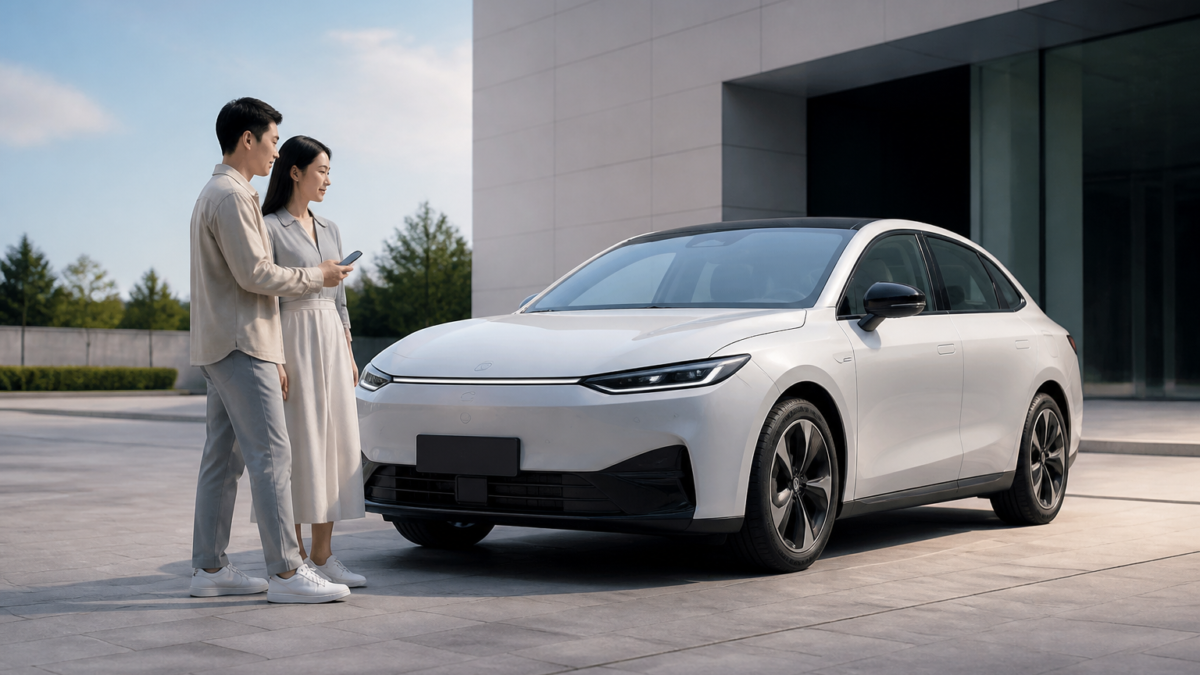
The electric vehicle (EV) market in 2026 is punctuated by headline-making leaps in technology, with BYD—one of China’s dominant automakers—at the center of the action. This year, BYD has set new industry benchmarks with advancements that highlight not just their technical prowess, but a keen responsiveness to consumer needs: the 2027 BYD Seal 06 sedan debuts a LiDAR-equipped advanced driver-assistance system, and the new BYD Da Han luxury sedan claims a record-crushing 1,008-kilometer range under China’s CLTC test cycle[source]. These offerings reframe what mainstream and luxury EV buyers can expect, merging sophisticated sensor technology with unprecedented battery innovation for large-scale impact. If you’re closely watching how next-generation tech and real-world practicality are reshaping the EV landscape, the Seal 06 and Da Han are models you cannot ignore.
2027 BYD Seal 06: LiDAR Comes to an Affordable Family Sedan
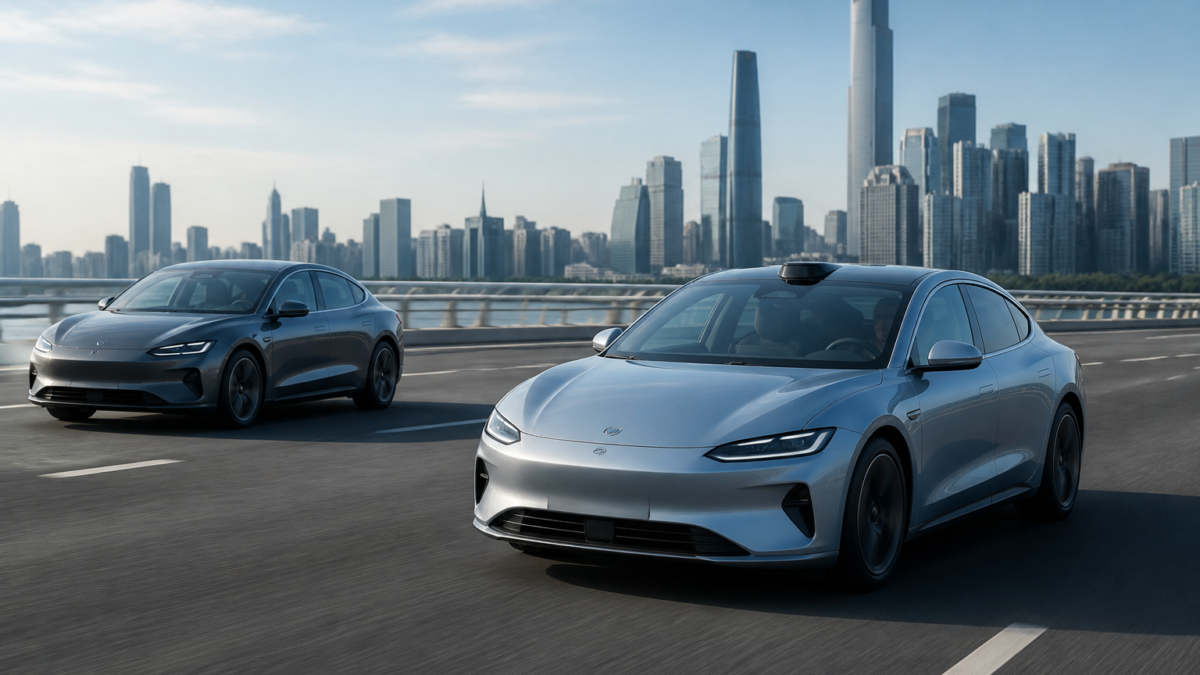
The most anticipated innovation in the 2027 BYD Seal 06 is the God’s Eye B advanced driver-assistance system, which marks the first time LiDAR has appeared in a family sedan at this price segment in China[source]. This optical sensor uses laser pulses to scan the environment, enhancing the car’s awareness of its surroundings and forming a foundation for next-level semi-autonomous features.
Key details of the Seal 06’s LiDAR integration include:
- Sensor Placement: Visibly mounted on the roof/windshield area, the LiDAR works in tandem with radar and camera inputs to generate a rich image of the immediate road environment[source].
- God’s Eye B System: This system enables urban navigation-guided driving, advanced highway automation, and all-scenario smart parking.
- Coverage Qualifier: Official materials do not confirm 360° LiDAR coverage; the system most likely uses forward-facing or rooftop sensors for enhanced detection, but not full-surround scanning.
The inclusion of LiDAR is much more than a spec-sheet upgrade: it signals a future where advanced driver-assistance and partial autonomy are no longer confined only to luxury EVs or premium-priced imports. For buyers, this means better urban traffic handling, higher confidence in tight navigation, and groundwork for future software-driven improvements.
Advanced Driver-Assistance: How the Seal 06 Raises the Standard
With God’s Eye B, the Seal 06 delivers features previously reserved for high-end vehicles:
- Urban Navigation-Guided Driving: The car can actively follow mapped routes, identify lanes, perform lane changes, and react to urban obstacles in real time. The addition of LiDAR means this is done with greater precision compared to pure camera/radar systems[source].
- Highway Assists: On the open road, the system supports highway lane following, navigation-based lane changes, and adaptive cruise functions.
- Smart Parking: Whether parallel or angled parking, the Seal 06 leverages its sensor suite to maneuver accurately into tight spots without the driver’s direct intervention.
Third-party coverage highlights that the God’s Eye B system with LiDAR constitutes an upgrade over the previous God’s Eye C offering, which lacked laser hardware[source]. However, while some international press report that the system supports Level 3 features, including intelligent lane changing and emergency stopping[source], BYD’s official English-language material does not specify a formal autonomous driving level.
Design, Performance, and Powertrain Upgrades: What Else Is New?
Beyond advanced sensing tech, the 2027 Seal 06 receives comprehensive styling and performance tweaks:
- Design Overhaul: A modern aesthetic aligns with BYD’s Dynasty styling cues, emphasizing a sleeker, more aerodynamic profile.
- Aerodynamic Improvements: Streamlined contours benefit both efficiency and high-speed stability.
- Powertrain: Regulatory filings confirm a rear-drive EV version offering up to 240 kW (322 hp), representing a significant jump from prior models[source].
- Charging Features: The car supports fast charging, though BYD’s official documents do not claim the ultra-rapid charging times sometimes mentioned anecdotally. Always verify fast-charging specifics before purchasing.
BYD Da Han: Breaking Records with a 1,008-km CLTC Range
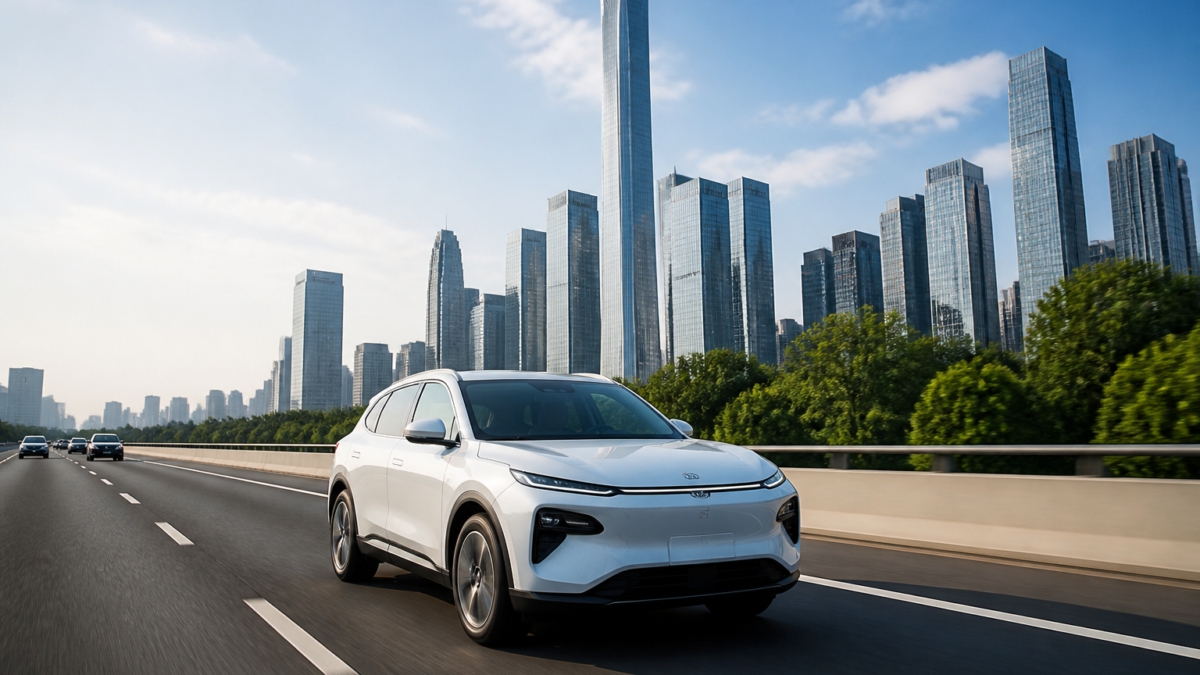
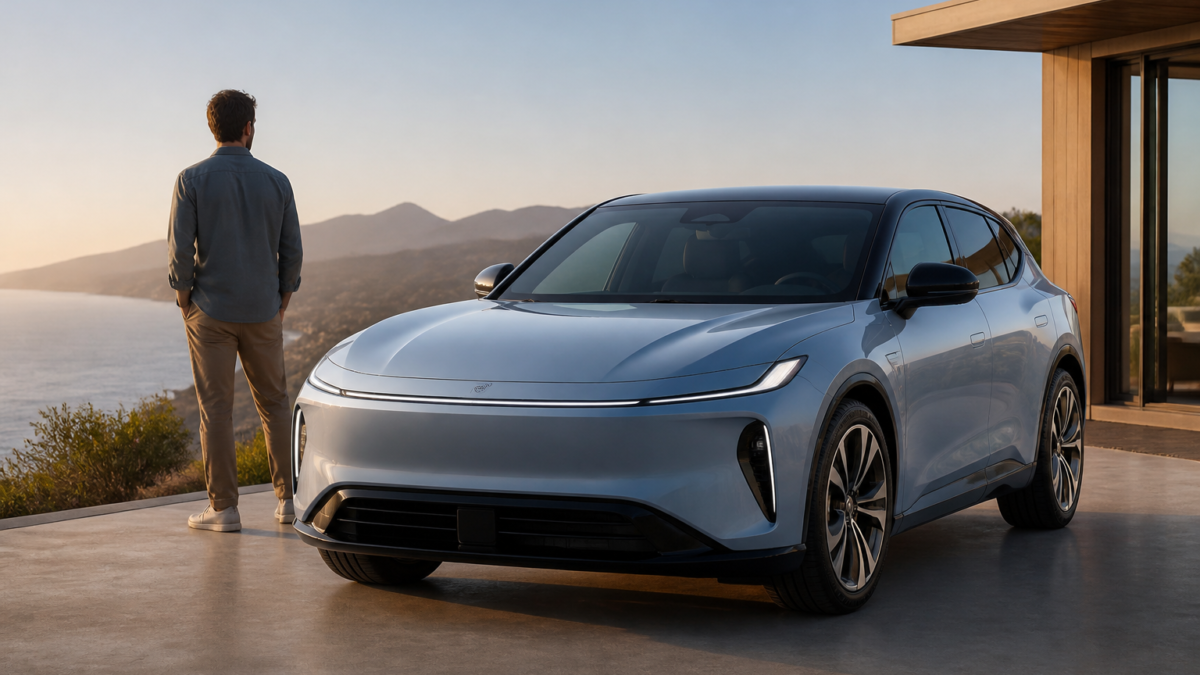
While LiDAR headlines the Seal 06, range supremacy is the heart of BYD’s strategy for the 2027 Da Han (also called Great Han). The Da Han, built atop BYD’s luxury Dynasty sedan platform, stakes claim to a jaw-dropping 1,008 kilometers (626 miles) of range as rated by China’s light-duty vehicle test cycle (CLTC)[source]. This is achieved via a massive 102.3 kWh FinDreams lithium iron phosphate (LFP) battery, weighing over 725 kg and stretching the vehicle length to a flagship-worthy 5.25 meters[source].
Important range context: The 1,008 km figure is measured under China’s CLTC, a cycle known to deliver higher range numbers than Europe’s WLTP or the North American EPA. Norwegian sources estimate a WLTP-equivalent range of approximately 835 km[source]. This still positions the Da Han ahead of most global EVs by a significant margin, especially in large luxury segments.
Battery Tech and Efficiency: How Da Han Reaches 1,008 km
To achieve its CLTC-recorded range, the BYD Da Han relies on technical and engineering innovations:
- Massive Battery Pack: 102.3 kWh—among the largest fitted to any production sedan[source].
- Efficiency: Disclosed performance figures point to approximately 10 kWh/100 km on the CLTC—a highly impressive number for a vehicle of this size.
- Thermal Management and Aerodynamics: Effective battery cooling and drag-reducing design measures help extend usable range in various conditions.
Charging infrastructure is critical at this scale. While some social media posts suggest ultra-rapid charging (e.g., 10-70% in five minutes), these claims are not validated by official BYD literature[source]. As of this writing, BYD’s published specs mention only fast-charging compatibility—always check local dealership details for up-to-date hardware support.
Are These Claims Realistic? Understanding Range and Usage Cycles
The headline 1,008-kilometer range is a product of the CLTC cycle, which typically yields more generous estimates than the WLTP or EPA regimes commonly used in Western markets. For reference, here’s a comparison:
| Model | Test Cycle | Claimed Range | Battery Capacity |
|---|---|---|---|
| BYD Da Han | CLTC | 1,008 km | 102.3 kWh |
| BYD Da Han | WLTP (est.) | ≈835 km | 102.3 kWh |
| Tesla Model S LR | WLTP | 634 km | ≈100 kWh |
Note: Actual real-world ranges can vary based on conditions, driving style, temperature, and terrain. The Da Han is among the best in its class no matter the test cycle.
BYD’s Battery Efficiency: A Competitive Edge
Efficiency is just as important as total capacity. With energy use around 10 kWh/100 km on the CLTC, the Da Han is highly competitive next to rivals like the Tesla Model S and Lucid Air. This means not only longer trips between charges but potentially lower energy costs per mile.[source]
- BYD’s LFP chemistry is considered more stable and durable, with less range loss over years than some high-nickel NCA/NCM designs.
- For consumers, this spells not just extended adventures, but also predictable long-term ownership costs and environmental benefits.
Who Should Consider the Seal 06 or Da Han?
Seal 06: Ideal for tech-savvy families or urban professionals who want affordable access to advanced driver-assistance and future-proof hardware, without stepping up to luxury price points. It’s a direct answer to the call for mainstream EVs that don’t compromise on safety and smarts.
Da Han: For high-mileage drivers, executives, or luxury EV shoppers tired of the range compromise, the Da Han offers a tangible solution. It combines high-spec comfort with true long-range ability, especially attractive if you navigate regions with widely spaced charging infrastructure.
Checklist: What to Ask When Shopping for an EV Like the Seal 06 or Da Han
- What type and level of autonomous features are promised versus those already OTA-enabled?
- How does the officially rated range on your home market’s test cycle (WLTP or EPA) compare to the manufacturer’s claim?
- Is fast charging hardware standard, and what is its peak power output/station compatibility?
- What warranty covers the advanced sensors and battery pack?
- Will software-based features (e.g., expanded self-driving) require later subscription or upgrade fees?
FAQs
- What makes LiDAR significant in the 2027 BYD Seal 06?
- LiDAR integration marks a mainstream debut of advanced optical sensing in an affordable family sedan. Its inclusion fundamentally improves obstacle detection and navigation guide accuracy, setting a new benchmark for the segment[source].
- Does the Seal 06 support fully autonomous (Level 3 or higher) driving?
- BYD’s official materials don’t specify a certified autonomy level. Some press mention Level 3-capable hardware, but real-world, regulator-approved deployment may lag behind the tech’s potential[source].
- How accurate is the Da Han’s 1,008-km range claim?
- This figure is from the Chinese CLTC cycle, which tends to overestimate range compared to Western WLTP or EPA standards. WLTP-adjusted estimates are close to 835 km[source].
- Is there a significant advantage to BYD’s LFP battery chemistry?
- Yes; LFP offers long cycle life, high thermal stability, and less dramatic range loss in cold conditions, making it ideal for high-mileage or long-term ownership situations.
- Can the Da Han really charge from 10% to 70% in five minutes?
- This charging speed appears only in social media and unofficial posts. BYD’s official specs mention fast charging but not 5-minute claims; always confirm details through local dealers or trusted sources[source].
- How does BYD’s Da Han compare to Tesla or Lucid on range?
- On CLTC, Da Han’s 1,008 km eclipses most rivals. On WLTP, it still leads, though Lucid and Tesla Model S Long Range are close contenders; all are more than suitable for long journeys.
- What future upgrades can Seal 06 or Da Han owners expect?
- Both models are designed with upgradable software platforms. Expect improvements in driver assistance functions, navigation, and digital ecosystem features via over-the-air (OTA) updates.
Conclusion: BYD’s Impact and What’s Next
BYD’s unveiling of the Seal 06 with LiDAR and the Da Han with an unprecedented battery range redefines expectations for electric vehicles in both the mainstream and luxury segments. Integrating LiDAR into a competitively priced sedan such as the Seal 06 puts powerful safety and semi-autonomous capabilities in the hands of everyday drivers. Meanwhile, Da Han’s extended range means that long-haul electric travel is more practical than ever before—albeit with the caveat that real-world outcomes depend on test cycle adjustments and user habits. With a relentless push for technological advancement and a clear focus on both innovation and practicality, BYD will force competitors to adapt, and offer consumers tangible benefits in their next vehicle purchase. As EV adoption continues to climb around the world, stay tuned as BYD’s rollouts in 2027 will almost certainly become benchmark-shifting events.
Sources: CnEVPost, CleanTechnica, CarNewsChina, Autoblog, Frandroid, Motor.no







Leave a Reply