
Last updated:
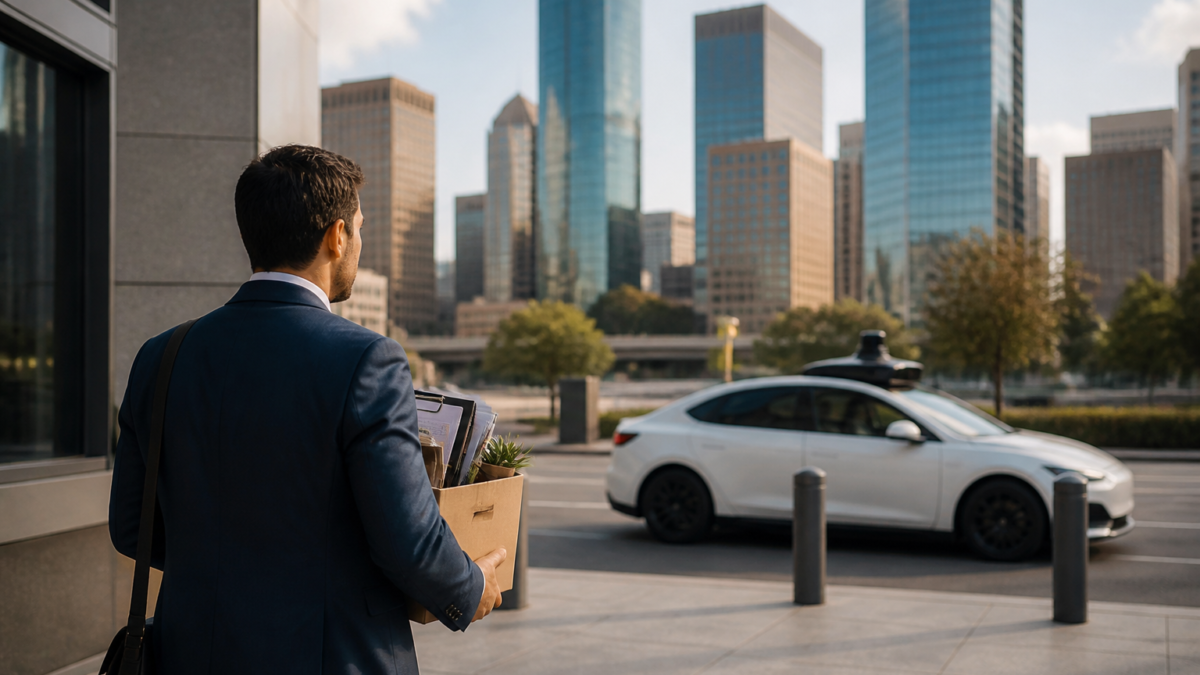
On July 27, 2026, Javier Medrano, a former operations manager in Tesla’s Houston Full Self-Driving (FSD) testing program, filed a federal lawsuit against Tesla Inc. alleging he was terminated in retaliation for raising persistent safety concerns tied to severe understaffing on Tesla’s robotaxi trials. Brought in the U.S. District Court for the Southern District of Texas, Medrano’s case spotlights the practical human challenges that underlie the high-profile rollout of automated vehicles on public roads—and highlights the conflicts that can arise when scaling cutting-edge tech at breakneck speed.1 While Tesla’s Full Self-Driving program and robotaxi plans are the subject of intense regulatory and public scrutiny, it is the workplace facts—from long hours to alleged management shortfalls—that are now under judicial review. While Medrano’s allegations paint a vivid picture of operational strain and risk—calling test vehicles “rolling hazards”—it’s important to remember that these are claims pending in court, not established findings. This article clarifies the nature of his complaint, what triggered the dispute, where the case stands as of September 2026, and what’s at stake for Tesla and the wider autonomous vehicle industry.
Overview: What Is the Tesla Robotaxi Supervisor Lawsuit?
Case details: Javier Medrano filed case No. 4:26-cv-05963 in the U.S. District Court for the Southern District of Texas on July 27, 2026, naming Tesla Inc. as defendant.1 As operations manager for Houston FSD pilot tests, Medrano alleges he was left as the sole manager for a rapidly expanding fleet of test vehicles and operators. His core claims are:
- Severe understaffing: Being the only operational manager for up to 38 vehicles and dozens of operators across three full-time shifts.
- Unsafe testing conditions: Alleged internal benchmarks dictated a safe maximum of a 15:1 operator-to-manager ratio, but in Houston, Medrano claims managers were forced to supervise up to 38 operators (a 38:1 ratio).
- Retaliation and wrongful termination: After repeatedly warning about exhaustion and safety, particularly following a March 2025 accident he handled while sleep deprived, Medrano alleges he was terminated and replaced with more staff—the very support he had requested.
The complaint describes how Tesla’s push to expand robotaxi operations translated to overwhelming hours (60–80 a week), making it difficult to adhere to safety protocols and respond appropriately to incidents.2
Key Allegations: Staffing, Safety, and Retaliation
Medrano’s lawsuit is centered on the claim that chronic understaffing in Tesla’s Houston FSD test operations led to unsafe conditions for the robotaxi fleet and the public. He alleges:
- Once the operation grew to 38 test vehicles, he was overseeing all three shifts by himself, in violation of Tesla’s alleged internal 15:1 supervisor-to-operator safety recommendation.
- This shortage of oversight made it “impossible” to follow necessary protocols, with Medrano reportedly forced to be on call at all hours and unable to recover from fatigue, especially after a collision on March 30, 2025, which he responded to while “half asleep.”2
- He repeatedly warned Tesla management of these risks, allegedly referring to the FSD fleet as “rolling hazards” on Houston roads—though this phrase reflects the plaintiff’s view, not an established legal conclusion.3
- After he notified Human Resources that he no longer recalled key emergency conversations due to exhaustion, Medrano claims he was terminated on May 1, 2025, and his role was instantly filled by two managers brought from Dallas, finally meeting the level of support he’d sought.
Importantly, these are the plaintiff’s claims. The lawsuit does not itself prove that unsafe conditions existed or that Tesla violated any law; as of late September 2026, Tesla has not filed a public answer or comment.3
Comparing Staffing Benchmarks: What’s Alleged vs. What’s Known
| Staffing Standard | Plaintiff’s Allegation | Publicly Confirmed? |
|---|---|---|
| Houston FSD Ratio | 1 manager : 38 vehicle operators | Alleged |
| Tesla Internal Benchmark | 1 manager : 15 operators | Alleged (Not Independently Verified) |
| Actual Post-Termination Support | Multiple managers assigned after plaintiff’s firing | Alleged in complaint |
The above table summarizes what Medrano claims: that Houston’s robotaxi rollout vastly exceeded Tesla’s own supposed safety limits for operational staff. However, the 15:1 benchmark and its mandatory status have not yet been independently substantiated in the public record.4
Timeline: Key Events in the Case
- October 2023: Medrano joins Tesla’s Houston FSD program as an operational manager.
- Mid-2024: Becomes sole operational manager overseeing expansion to 38 vehicles running 24/7 shifts.
- March 30, 2025 (2:05 a.m.): Test vehicle collision occurs; Medrano, exhausted, answers emergency call while asleep and cannot later recall key details.2
- April 2025: Medrano reports concerns and incident-related exhaustion to HR and management.
- May 1, 2025: Medrano is fired, replaced by additional managers previously requested.
- July 27, 2026: Federal civil complaint filed in Houston (Southern District of Texas, No. 4:26-cv-05963).
- As of late September 2026: Tesla has not publicly commented or filed a responsive pleading.
Legal Grounds: Alleged Retaliation and Relief Sought
Medrano’s lawsuit contends that his firing was unlawful retaliation for raising protected safety concerns about the robotaxi program. In U.S. federal employment law, a viable retaliation claim often depends on showing:
- The employee engaged in protected activity (here: raising safety and workload concerns)
- The employer knew of these complaints
- The employee suffered an adverse employment action (termination)
- A causal link between the complaint and the firing
Medrano’s filing also seeks several remedies: reinstatement to his former role, back pay, the value of forfeited stock options, and damages for emotional distress and hardship. No court has ruled on these requests.5
Status of the Lawsuit and Unresolved Key Questions
As of September 24, 2026:
- Official status: The case is docketed (No. 4:26-cv-05963 in Houston federal district court). A summons has been issued, but no public indication of Tesla’s legal answer, motion to dismiss, or public statement exists.3
- Independent confirmation lacking: The formal status of Tesla’s 15:1 operator-to-manager rule is not independently verified; it is alleged in Medrano’s complaint but not established as a mandatory or universal Tesla policy.4
- Discovery phase yet to begin: The court has not set a trial or ruled on preliminary motions. If the case proceeds, it is expected to enter discovery, including document review and depositions.
- No regulatory findings or third-party investigations: There is no public indication of a federal or state labor or safety investigation specific to these allegations.
Practical Implications: Staffing Risks and Oversight in Robotaxi Programs
While the court will decide the facts behind Medrano’s firing, his allegations draw attention to a wider industry challenge: balancing rapid deployment with adequate operational support. Key issues the case raises:
- Fatigue risk: Extended shifts and lack of handoff opportunities for supervisors overseeing public road testing can increase chances of safety lapses and missed incidents.
- Incident escalation: Test protocols should allow managers to effectively respond to emergencies. When managers are overburdened, even experienced staff may miss or inadequately address incident calls.
- Scaling technology safely: As fleets expand, organizational (not just technological) controls are crucial for public safety.
Regardless of the lawsuit’s outcome, robust management policies are vital for consumer confidence and regulatory compliance in the robotaxi sector.
What Happens Next: Case Checklist and Litigation Outlook
- Verify access to the official court docket for any new filings, answers, or motions by Tesla.
- Monitor for the court setting an initial scheduling conference and pretrial deadlines.
- Expect discovery requests for staffing records, safety policies, email communications, incident logs, and relevant HR documents if the case continues.
- Public statements or updates from Tesla may emerge with a formal court response or through company disclosures.
- The lawsuit could settle privately, be dismissed, proceed to trial, or result in summary judgment for one party.
Checklist: What Consumers, Advocates, and Developers Should Watch
- Is there independent confirmation of staff ratio guidelines cited by the plaintiff?
- Will the court’s orders or Tesla’s filings disclose new safety or oversight practices?
- Does evidence support or challenge claimed links between exhaustion, staffing, and incident response?
- How, if at all, might this case affect Tesla’s FSD deployment pace or national robotaxi strategy?
- Are regulators or third parties monitoring staffing and oversight complaints in the autonomous vehicle industry?
Frequently Asked Questions
Who is Javier Medrano and what role did he have at Tesla?
Javier Medrano was an operations manager leading Tesla’s Full Self-Driving (FSD) pilot testing in Houston. He was responsible for oversight, safety procedures, and incident escalation for the city’s robotaxi development program.1
What are the main allegations in the Houston lawsuit against Tesla?
The lawsuit claims that Medrano was forced to manage a rapidly growing autonomous vehicle test fleet with “dangerously” inadequate staff support, that Tesla ignored his repeated warnings about risk and exhaustion, and then fired him in retaliation after he reported a safety incident.2
Has Tesla officially responded to the lawsuit?
No public response by Tesla had been made as of late September 2026, and there is no record of court filings presenting its side of the dispute. This may change as the litigation advances.3
What evidence supports Medrano’s staffing and safety claims?
Medrano’s claims rely on his account, specific incident reports, and his recollection of internal staffing benchmarks. The actual enforcement—and documentary evidence—of Tesla’s 15:1 supervisor-to-operator guideline remains unconfirmed pending court discovery.4
What does Medrano want as relief?
He seeks reinstatement, back pay, recovery of unvested stock, and compensation for emotional and financial harm related to his termination. These demands are part of his complaint; they are not court-awarded at this stage.5
Does this suit mean Tesla’s robotaxi program is unsafe?
No. The Houston supervisor’s allegations reflect one individual’s experience and have yet to be proven in court. The case focuses on operational oversight and staff safety practices, not a factual finding about the safety of Tesla FSD technology as a whole.
Will the case affect Tesla’s national self-driving projects?
It remains unclear. While the Houston case raises questions about procedures and staffing, its impact on national Tesla robotaxi rollout will depend on the litigation outcome, regulatory response, and possible industry reforms resulting from discovery.
Conclusion: What the Tesla Robotaxi Supervisor Lawsuit Means for the Autonomous Vehicle Industry
The Medrano v. Tesla lawsuit is more than a standard employment dispute—it is a lens on the risks that high-growth technology companies face when expanding experimental vehicle programs. It serves as a reminder that breakthrough engineering must be matched with sufficient human oversight, especially when test vehicles operate in public spaces. Regardless of outcome, the case highlights how labor force management, exhaustion, and incident response are not side issues but central to operational safety and public acceptance. As this litigation unfolds, it could inform both Tesla’s future procedures and broader industry debate about how best to balance innovation speed with robust, practical front-line supervision for self-driving vehicle projects.
Leave a Reply