
Last updated:
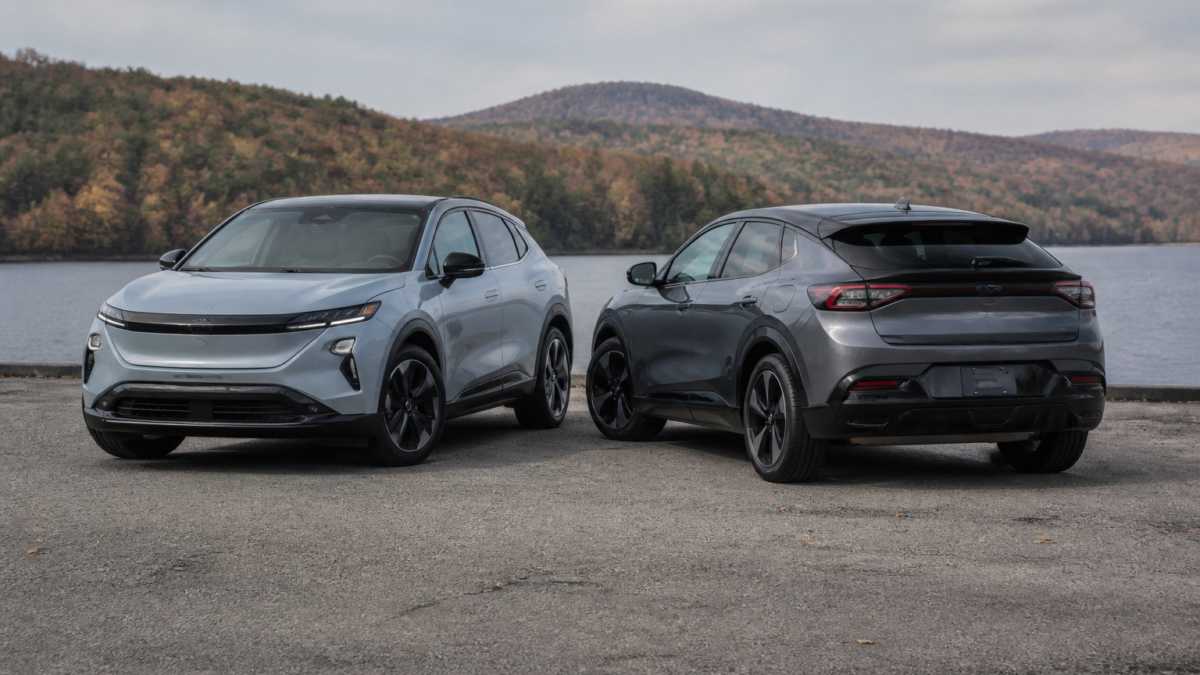
The 2027 Mitsubishi Eclipse Sportback EV is set to mark a major milestone for Mitsubishi’s North American lineup, providing a fresh, fully electric alternative in the increasingly competitive small SUV segment. Confirmed for a late summer to early fall 2026 release in the United States and Canada, the Eclipse Sportback EV leverages a close partnership with Nissan, being supplied on an OEM basis and built atop the next-generation Nissan Leaf platform. Mitsubishi, however, emphasizes distinctiveness through unique exterior styling touches rather than simply offering a badge swap. As of late September 2026, many core details—including battery size and charging options—are confirmed, but crucial buyer specs like range, interior trims, pricing, and exact performance figures remain pending.1 Shoppers interested in a Nissan Leaf-based EV with Mitsubishi’s design DNA will want to monitor upcoming releases for final specs and competitive positioning.
Mitsubishi’s Alliance with Nissan: Platform and Supply Chain
Mitsubishi has officially confirmed that the 2027 Eclipse Sportback EV is being supplied by Nissan and is directly based on the next-generation Leaf platform. This OEM relationship allows Mitsubishi to accelerate the introduction of an EV to its North American portfolio with the support of Nissan’s mature electric technology and manufacturing resources.2 This partnership is consistent with the Renault-Nissan-Mitsubishi Alliance’s broader cost- and technology-sharing strategy, creating value by leveraging shared architectures while focusing resources on brand expression and market fit.
Unlike prior joint ventures that offered minimal differentiation, the Eclipse Sportback aims to blend proven Nissan EV performance with Mitsubishi’s updated styling, branding, and eventual trim/features selections. The Alliance model enables rapid electrification but still poses the challenge of creating a compelling Mitsubishi identity for consumers who might otherwise default to Nissan’s original offering.
Exterior Styling: What Sets the Eclipse Sportback EV Apart?
Mitsubishi is keen to establish the Eclipse Sportback EV as more than a straightforward rebadged Nissan Leaf. Confirmed exterior changes include new front and rear fascias, a distinctive grille, unique headlight and taillight designs, custom wheels, restyled D-pillars, a reworked rear gate, and prominent Triple Diamond badging.2 Mitsubishi’s goal is to deliver an EV that feels recognizably part of its lineup, even as it shares underpinnings and major mechanicals with Nissan.
While the bones of the vehicle stem from the next-generation Leaf, the visible exterior—where most buyers first judge a car—will carry Mitsubishi’s contemporary design language. This approach is typical in strategic alliance manufacturing, where aesthetics, branding, and packaging can be markedly different despite technical similarities.
Battery and Charging: Confirmed Hardware and Flexibility
A critical area of clarity for shoppers is battery and charging capability. Mitsubishi has confirmed the Eclipse Sportback EV will feature a liquid-cooled 75 kWh lithium-ion battery pack as standard.3 It will offer both SAE J1772 (Level 1 and Level 2) charging for home and public stations as well as support for the Tesla-developed North American Charging Standard (NACS) port for fast charging at up to 150 kW. Mitsubishi claims a 10–80% DC fast-charge time of approximately 35 minutes under ideal conditions.
This dual-port approach positions the Eclipse Sportback as one of the more versatile EVs for North American charging infrastructure, facilitating easier use of both legacy public chargers and Tesla’s expanding Supercharger network (where access is supported). However, specific details about connector compatibility and payment/network requirements closer to launch will remain important for buyers to verify.
| Feature | Confirmed for Eclipse Sportback |
|---|---|
| Battery Capacity | 75 kWh (liquid-cooled) |
| Charging Ports | SAE J1772 (L1/L2) + Tesla NACS (L3 DC fast) |
| Max DC Fast Charge | 150 kW |
| 10–80% Charge Time | Approx. 35 min (DC fast) |
Market Position: The Eclipse Sportback EV’s Role in Mitsubishi’s Strategy
With the Eclipse Sportback, Mitsubishi inaugurates a new phase in its “Momentum 2030” product roadmap.1 The strategy calls for annual introductions or major updates through fiscal year 2030, aiming to reenergize the lineup, appeal to new customers, and maintain competitiveness as electrification sweeps the industry. The Eclipse Sportback’s relatively rapid deployment—made possible in large part by the Nissan partnership—reflects Mitsubishi’s pragmatic approach to entering the mainstream EV market before developing more bespoke electric platforms in-house.
This entry should offer a useful baseline for shoppers comparing the Eclipse Sportback with other electric compact crossovers, whether from inside the Alliance or from competing brands. The car’s debut also reinforces the growing industry trend toward platform-sharing, helping automakers optimize investment while providing end customers with more choice in both styling and after-sales support.
What We Still Don’t Know: Range, Pricing, and Performance
While major platform, styling, and charging details are public, several crucial purchasing factors remain unpublished by Mitsubishi or regulatory bodies as of late September 2026:
- EPA-estimated range: There is currently no official range figure. The similar battery size and platform suggest the Eclipse Sportback could broadly match Nissan’s estimates for the new Leaf, but Mitsubishi-specific numbers for range (and efficiency) remain unknown pending U.S. EPA certification.
- U.S./Canada pricing: No trim levels, MSRPs, or destination fees have been released. Market positioning and feature/trim distribution compared to Nissan’s offering are still speculative.
- Interior equipment and options: There is no detailed information on available technologies, materials, safety systems, connectivity, or premium upgrades.
- Performance: Official horsepower, torque, drivetrain layouts (e.g., front-wheel drive, all-wheel drive, or different motor options), and acceleration benchmarks have not been published.
- Dimensions and cargo space: No length, wheelbase, cargo, curb weight, or passenger volume specifications have been shared.
- Warranty and after-sales coverage: Terms remain unannounced, leaving uncertainty for long-term budget and support comparisons.
This lack of final data means that while the Eclipse Sportback is an appealingly modern take on the compact EV theme, concrete comparisons (including prospective total cost of ownership) must wait for full detail publication.
Avoiding the “Rebadged Leaf” Trap: Accurate Framing
Automotive media and enthusiast discussions regularly characterize the Eclipse Sportback EV as a “rebadged Nissan Leaf,”4 but this synopsis fails to capture Mitsubishi’s commitment to distinct exterior design and market positioning. Mitsubishi’s official statements reinforce that, despite shared architecture and running gear, key exterior panels—specifically the fascias, grille, lighting, and D-pillars—have been changed, and unique branding applied.
For buyers, the upshot is a product that’s underpinned by the robust, Alliance-developed Leaf platform, yet carries a visual identity expected by Mitsubishi loyalists. This distinction is modern auto industry standard practice, especially among global alliances, and is not cause for skepticism as long as brand-specific aftercare and support meet expectations.
Questions Prospective Buyers Should Ask
- What is the EPA-rated range of the Eclipse Sportback EV? (Wait for formal U.S. certification and published numbers by trim.)
- How does the standard feature list and pricing compare with the Nissan Leaf? (Compare official equipment packages and MSRPs when released.)
- Are both home and fast-charging infrastructures fully supported in my area? (Check compatibility with J1772 and NACS networks, plus any region- or network-specific requirements.)
- What warranty coverage does Mitsubishi offer for the EV/battery? (Review written dealer documentation once available.)
- Will Mitsubishi dealers offer unique financing or service packages for the Eclipse Sportback? (Ask local retailers about incentives, maintenance, or buy-back offers.)
- Are there regional or trim-level differences in equipment or allocation? (Check with dealers about inventory timelines and order process.)
- Can interior tech, cargo flexibility, or comfort features be tailored to my needs? (Confirm option and trim availability.)
Comparison: Mitsubishi Eclipse Sportback EV vs. Next-Gen Nissan Leaf (as of public data)
| Feature | Mitsubishi Eclipse Sportback EV | Next-Gen Nissan Leaf |
|---|---|---|
| Platform/Chassis | Next-gen Leaf (Alliance, shared) | Next-gen Leaf (Alliance, shared) |
| Battery (Confirmed) | 75 kWh, liquid cooled | 75 kWh, liquid cooled (expected for US) |
| Charging Ports | J1772 + NACS | J1772 + NACS |
| Max Fast Charge | 150 kW | 150 kW |
| Exterior Styling | Mitsubishi-specific panels, badging | Original Nissan design |
| Range | Pending EPA (unknown) | Pending EPA (unknown for US) |
| Pricing | Pending | Pending (USA, next-gen) |
The Evolution of the Eclipse Nameplate
Mitsubishi’s decision to apply the Eclipse moniker to its new EV extends a legacy originally rooted in sporty coupes of the late 20th century and, more recently, in the gas-powered Eclipse Cross SUV. While the new Eclipse Sportback EV is more pragmatic subcompact SUV than performance coupe, the name’s cachet may resonate with returning Mitsubishi buyers and brand fans seeking familiarity in a future-forward product.
Checklist: What to Watch for as Launch Approaches
- Official trim levels, pricing, and equipment disclosures from Mitsubishi.
- Full EPA-estimated range and efficiency details by wheel and tire selection.
- Interior dimensions, technology packages, and available options.
- Warranty coverage for battery, powertrain, and EV-specific systems.
- Regional or dealer-specific incentives, order requirements, and inventory timing.
- Final confirmation of charging network access and compatibility.
Frequently Asked Questions (FAQ)
When is the 2027 Mitsubishi Eclipse Sportback EV expected to be available?
Mitsubishi has confirmed U.S. and Canadian sales in late summer or early fall 2026, with regional variations possible based on dealer delivery schedules.1
Is the Eclipse Sportback EV just a rebadged Nissan Leaf?
No. While it is based on the next-generation Nissan Leaf platform and hardware, Mitsubishi provides unique exterior styling, branding, and aims for an independent product identity.2
What battery and charging specs are confirmed?
The Eclipse Sportback EV will use a 75 kWh liquid-cooled battery, supporting SAE J1772 (Level 1/2) and NACS (DC fast) charging. Maximum DC charging is 150 kW, allowing a 10–80% recharge in about 35 minutes.3
What is the driving range?
No official U.S. EPA-rated range is available yet. Buyers should wait for Mitsubishi or EPA certification prior to making purchase decisions.
What will the Eclipse Sportback cost?
As of September 2026, Mitsubishi has not released pricing or trim details for North America. Pricing relative to the new Nissan Leaf also remains speculative.
Does it support fast charging at Tesla Superchargers?
The confirmed NACS port suggests future access to Tesla’s Supercharger network, but access terms and any network or payment-specific requirements should be confirmed at purchase time.
Will there be multiple trims or versions?
Mitsubishi has not detailed available trims, performance variants, or market-specific features; updates are expected closer to the launch window.
Conclusion
The 2027 Mitsubishi Eclipse Sportback EV stands as a pivotal entry for Mitsubishi’s electrified ambitions in North America, made possible by a strategic OEM partnership with Nissan. With distinctive exterior styling, a robust 75 kWh battery, and flexible charging port options confirmed, the Eclipse Sportback is poised to offer a compelling balance between proven Alliance engineering and Mitsubishi’s evolving design identity. However, major purchasing drivers—including range, price, trims, and full feature sets—are yet to be announced. Discerning buyers should view the Eclipse Sportback as a thoughtfully differentiated, Leaf-based EV with real potential, but will want to consult official Mitsubishi releases for critical details before making a final decision.4


Leave a Reply