
Last updated:
Key Takeaways
- Over 2,500 illegal e-bikes and e-scooters were seized by London’s Metropolitan Police in the first seven months of 2026, more than the total confiscated in 2025 [source].
- The seizure campaign focuses on illegally modified vehicles that exceed legal speed or safety limits.
- Police are deploying portable technology—including ‘rolling roads’—for swift roadside compliance checks.
- Neighbourhood crime—especially linked to e-bikes—has dropped significantly in areas targeted by these operations.
- The current crackdown reflects intensified enforcement and operational innovation rather than broader legislative change.
London’s E-Bike & E-Scooter Crackdown in 2026: The Core Story
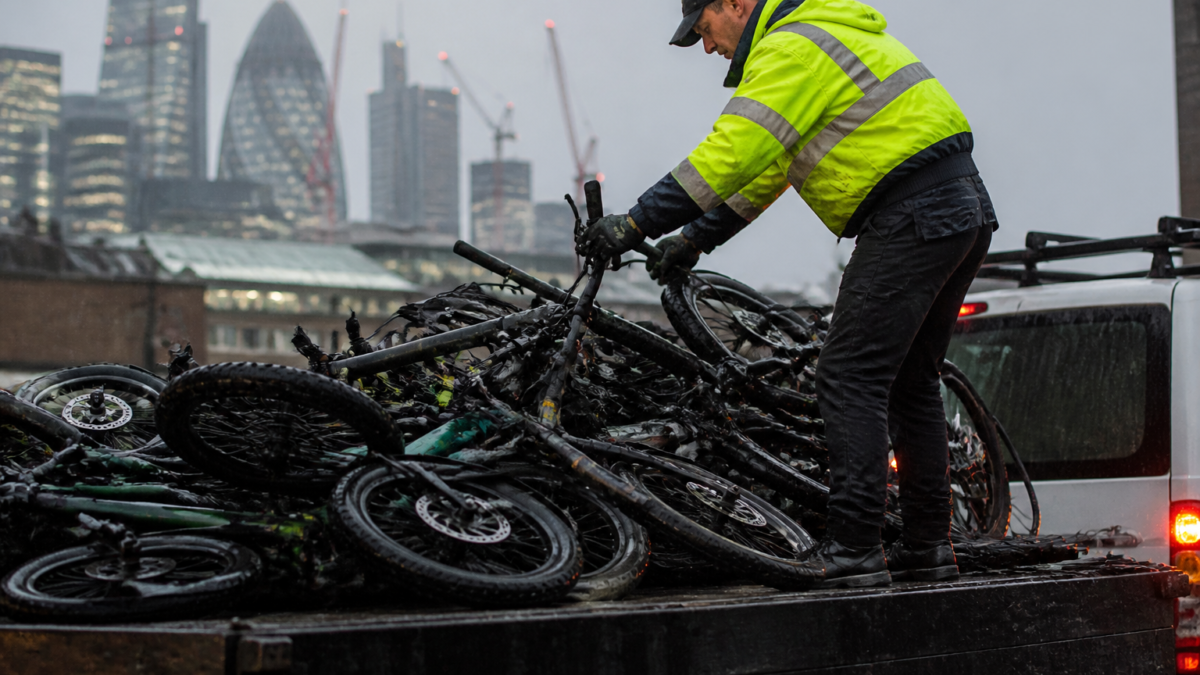
In a striking escalation of law enforcement efforts, the Metropolitan Police Service (Met) in London has dramatically ramped up its campaign against illegal micromobility vehicles. As of July 25, 2026, the Met confirmed the seizure of more than 2,500 illegal e-bikes and e-scooters in just the first seven months of the year. This figure already surpasses the 2,241 vehicles seized over the whole of 2025, underscoring both the scale of the city’s micromobility crisis and the police’s evolving approach to urban safety and crime prevention [source].
Central to these enforcement actions is the use of cutting-edge roadside testing tech, such as “rolling roads,” to rapidly determine whether e-bikes and e-scooters comply with UK legal specifications—specifically speed limits of 15.5 mph (25 km/h) [source]. These innovations coincide with a broader operational strategy—spanning high-visibility intervention sites like Tottenham Court Road and major policing operations including Operation Lexand—demonstrating a significant commitment to public safety and crime reduction.
Understanding Illegal E-Bikes and E-Scooters: What Makes Them Unlawful?
| Feature | UK Legal (as of 2026) | Illegal/Non-Compliant |
|---|---|---|
| Maximum Assisted Speed | 15.5 mph / 25 km/h | Above 15.5 mph / 25 km/h |
| Motor Power Limit | 250W continuous rated output | Above 250W or unregulated modifications |
| Type Approval | Conforms to EAPC rules | Converted mopeds, throttle-only, or with bypassing chips |
| Use on Public Road | Permitted within legal class, no registration needed | Not street-legal / subject to confiscation & penalties |
Many of the seized vehicles had either been modified to exceed speed or power restrictions, or were converted mopeds operating without insurance, registration, or valid safety checks. Such modifications present heightened risks for riders and the general public, and they frequently feature in crimes like phone snatching and street robberies [source].
Innovations in Enforcement: Technology on London’s Streets
The 2026 crackdown is defined by rapid advances in on-the-spot compliance assessments. The Met employs portable ‘rolling road’ systems—mobile dynamometer treadmills enabling officers to check maximum assisted speeds quickly and accurately. Combined with Wenger and Dynostar roadside test kits, these technologies allow for rigorous, impartial enforcement and immediate identification of illegal vehicles [source].
The police also expanded their crime-fighting fleet of Sur-Ron e-bikes—from five in 2025 to 25 in mid-2026—to enable more agile pursuit of offenders who might otherwise escape using unregistered or very fast e-bikes [source].
Impact on Crime and Public Safety: The Numbers
- Neighbourhood crime in London dropped by about 14%—amounting to roughly 35,000 fewer offences—in the twelve months up to June 2026 [source].
- Specifically, e-bike-related crimes in central London fell by 22% during police operations in 2026 [source].
- Phone theft incidents, a significant driver behind the crackdown, were nearly halved in some high-risk areas like the West End [source].
These marked improvements follow targeted stop-site interventions and enhanced collaboration with local partners, transport agencies, and neighbourhood watch initiatives. The use of illegal e-bikes in robberies and theft operations has been a persistent policing challenge, but evidence now points to strong results from persistent enforcement and public partnership.
How Operation Lexand and Similar Actions Unfold
Operation Lexand and similar policing efforts involve high-visibility checkpoints at busy locations like Tottenham Court Road Station. Officers employ rolling road tests and vehicle checks, often backed by intelligence about crime trends or repeat offenders. These operations not only seize illegal vehicles but also act as visible deterrents, reminding the public and potential offenders of the legal boundaries and serious consequences involved [source].
Who Gets Targeted? Delivery Riders, Commuters, and Users
A common question is whether delivery workers, who are widely seen on modified e-bikes, are disproportionately targeted. The Met has clarified that it does not record whether seized vehicles were used for delivery or other commercial purposes. All riders are subject to the same legal compliance checks, and the crackdown is framed as primarily about vehicle modification and public safety risks, not employment status [source].
Cost, Penalties, and What Happens to Seized Vehicles
Riders found with illegal e-bikes or e-scooters on public roads face immediate vehicle seizure, fixed penalty notices, and the potential for further prosecution, especially if linked to uninsured operation or dangerous driving. Typically, seized vehicles may be destroyed or repurposed for police training/public safety demonstrations, but the ultimate fate depends on case specifics. Costs for reclaiming a compliant (or mistakenly seized) vehicle include storage fees and evidence of legal modification. Repeat offenders often face escalating penalties and loss of license eligibility.
Checklist: How to Ensure Your E-Bike Is Street-Legal in London (2026)
- Maximum assisted speed does not exceed 15.5 mph (25 km/h).
- Motor power is capped at 250W continuous output.
- Throttle does not operate independently above walking pace unless approved as L1e-B.
- Fully functional brakes, lights, and reflectors installed.
- EAPC compliance sticker/mark is visible.
- No moped- or motorcycle-style modifications.
- Insurance and registration only needed for non-compliant or converted mopeds.
- Purchase only from reputable retailers offering certified vehicles.
Frequently Asked Questions (FAQs)
- Q1: How many illegal e-bikes and e-scooters have the Met seized since the start of 2025?
- By July 2026, the Met reported more than 4,750 illegal e-bikes and e-scooters confiscated since January 2025. Previous interim totals, such as 2,741 and 3,000, reflect earlier points in that period [source].
- Q2: What tech do police use to detect illegal modifications?
- Police use ‘rolling road’ treadmills and portable dyno testing kits (such as Dynostar and Wenger units) to measure vehicle speeds and motor outputs at roadside, ensuring quick and objective compliance checks [source].
- Q3: Are delivery riders singled out by police enforcement?
- No. The Met Police do not record the rider’s purpose (delivery, commuting, etc.) during enforcement—any non-compliant vehicle is subject to seizure regardless of who is operating it [source].
- Q4: Has the crackdown led to a sustained drop in crime?
- Yes, especially in targeted areas. Neighbourhood crime overall dropped 14% in a year, with e-bike-related offences in central London tumbling by 22%, supported by both crime statistics and frontline police testimonials [source].
- Q5: Is this enforcement part of a new regulation or just stricter policing?
- The current efforts are attributed to expanded policing, improved technology, and strategic partnerships. No recent legislative changes were cited; however, these actions align with the goals of broader safety strategies like London’s Vision Zero [source].
- Q6: What are the penalties for illegal e-bike use?
- Penalties include immediate confiscation, fines (often issued on the spot), and possible prosecution for insurance, licensing, or dangerous operation violations. Repeat offenders risk harsher legal repercussions and loss of driving privileges.
- Q7: Can seized e-bikes be reclaimed?
- If a vehicle was mistakenly seized or can be modified back to compliance, an owner may reclaim it by paying applicable fees and providing proof of legal conformity. Otherwise, most are destroyed or retained for training/demonstration purposes.
Conclusion: The Future of London’s Micromobility and Law Enforcement
The Metropolitan Police’s record-breaking crackdown stands as a pivotal moment in London’s ongoing micromobility debate. Over 2,500 illegal e-bikes and e-scooters seized in just seven months is a clear signal: both the scale of the issue and the city’s resolve to protect public spaces. Technological advances allow rapid, fair enforcement, while the drop in e-bike-related crime demonstrates the impact of sustained, focused action.
There is as yet no citywide shift in regulation, but the enforcement wave—combined with London’s Vision Zero commitment—suggests authorities are recalibrating approaches to urban transport risks. Riders and manufacturers must now adapt, ensuring vehicles meet legal standards or face escalating penalties. The way forward is clear: in the pursuit of safer, more sustainable streets, compliance is as vital as innovation.














Leave a Reply