
Last updated:
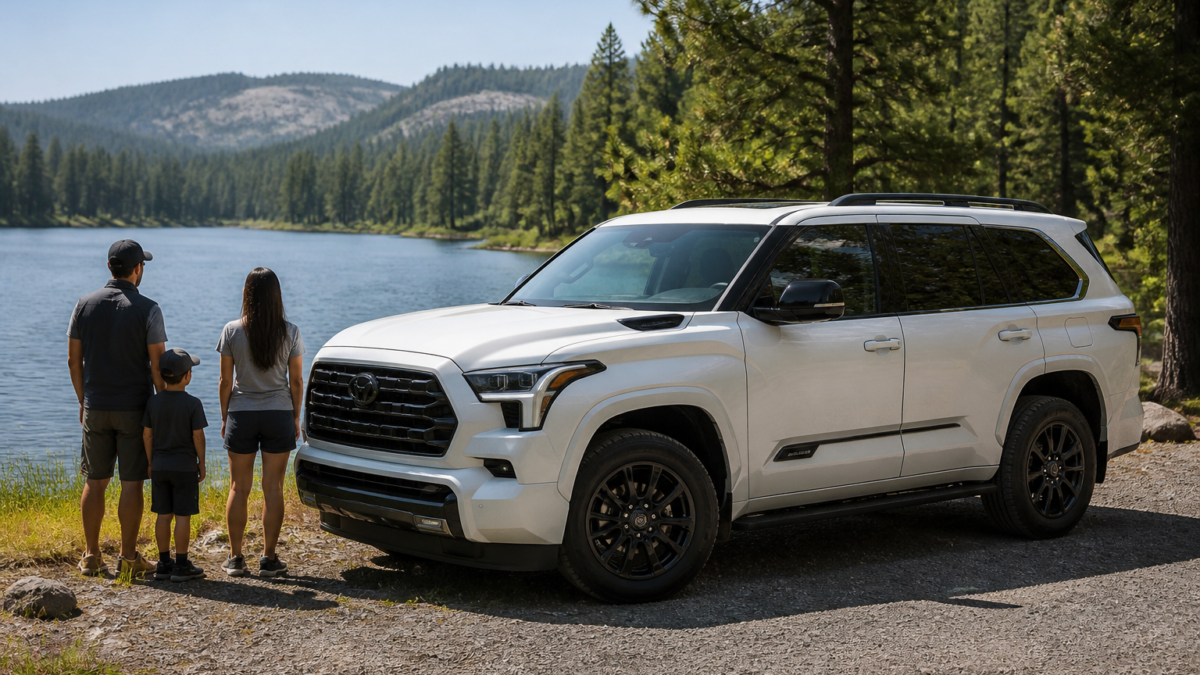
The Toyota Sequoia stands as Toyota’s answer for those needing a tough, spacious SUV with advanced hybrid technology and true full-size capabilities. As of the 2026 model year, the Sequoia is exclusively hybrid-powered—a shift that reaffirms Toyota’s commitment to efficiency without sacrificing strength. Built for families with big plans, outdoor adventurers, and those who demand genuine towing muscle, the Sequoia distinguishes itself from smaller crossovers by boasting serious passenger space and a robust frame. All trims are powered by the i-FORCE MAX system: a combination of twin-turbo V6 and electric motor, offering 437 horsepower with torque for demanding jobs.
The Sequoia isn’t just about power. It’s designed for real-world practicality—with three rows of seating, smart storage solutions, and modern infotainment. From its respectable EPA-rated fuel efficiency to its class-leading warranty coverage, everything about the latest Sequoia is meant for long-term ownership and family priorities. Yet, real-world reviews highlight both the highs and a few trade-offs, such as limited third-row space and cargo compromises when carrying a full crew. This guide details the 2026 Toyota Sequoia’s hybrid system, capabilities, comfort, pros, cons, and how it stacks up against both rivals and smaller Toyota SUVs—so you can make an informed decision.
What Is the Toyota Sequoia?
The Toyota Sequoia is a full-size, three-row SUV positioned above the Toyota Highlander and Grand Highlander. Engineered for buyers requiring substantial passenger and cargo capacity, as well as significant towing strength, the Sequoia targets those who find smaller crossovers insufficient for their needs. It’s especially popular with families, travelers, and anyone who needs an all-purpose vehicle with robust, truck-based performance and a refined interior. Its main rivals include the Chevrolet Tahoe, GMC Yukon, Ford Expedition, Jeep Wagoneer, and Nissan Armada—but Toyota sets the Sequoia apart with a standard hybrid powertrain across all trims [source].
Toyota Sequoia Hybrid Powertrain & Performance
The heart of every 2026 Sequoia is the i-FORCE MAX hybrid drivetrain—a twin-turbocharged 3.4L V6 paired with an electric motor, all routed through a 10-speed automatic transmission. This hybrid system delivers 437 horsepower and an impressive 583 lb-ft of torque. The strong torque is not just a number; it offers immediate response crucial for towing, merging, or tackling hills fully loaded [source]. The electric motor boosts low-speed acceleration, while the turbocharged V6 ensures highway confidence and smooth overtaking.
The move away from a traditional V8 to this hybrid setup improves efficiency and still matches or exceeds previous power and towing figures. The result is a large SUV that feels swift, responsive, and capable—even under heavy load or tough driving situations.
Towing Capacity: Ready for Serious Work
For many buyers, towing is a primary reason to choose the Sequoia. When properly equipped, the 2026 Sequoia can tow up to approximately 9,500 pounds (with some official Toyota documentation listing up to 9,520 lbs depending on trim and configuration) [source]. This makes it suitable for campers, boats, and a variety of recreational trailers.
A variety of tow-assist technologies are available or standard, such as trailer backup guidance, integrated trailer brake control, advanced cameras for easier hitching, and stability features. Before making a purchase, buyers should check the specific towing rating for the trim and equipment they select—load, passenger count, and installed accessories can impact actual capacity.
Interior Comfort, Layout, and Technology
The Sequoia’s cabin is engineered to balance rugged usability with family comfort. Three standard rows allow seating for up to eight with a second-row bench; optional captain’s chairs drop capacity to seven. Notably, trims like Platinum, 1794 Edition, and Capstone introduce premium features: semi-aniline leather, massaging front seats, ambient lighting, and a panoramic moonroof [source]. All models benefit from a configurable cargo shelf system and power-folding third row, simplifying cargo management for daily and long-haul errands.
Technology is also prioritized—most trims come equipped with a 14-inch touchscreen infotainment system, smartphone integration, natural voice recognition, an available digital driver display, Wi-Fi hotspot, multiple USB-C and USB-A charging points, and advanced navigation options [source]. For families, these features add real convenience on the road.
Cargo Space: Practicality and Realities
Toyota quotes a maximum of 86.9 cubic feet (EPA-rated) of cargo space behind the front row with the second and third rows folded. Internally, Toyota cites up to 120.1 cubic feet when both rows are folded and the full load area is used—this is a manufacturer figure, not an official EPA measurement [source]; [source]. However, real-world reviews point out that cargo space is much more limited when all three rows are in use. For families of eight, luggage or gear behind the third row can be tight. Planning for a roof box, hitch carrier, or trailer might be necessary for large parties or road trips.
| Feature | EPA/Manufacturer Data |
|---|---|
| Cargo behind 1st row (EPA) | Up to 86.9 cu ft |
| Total load space (Toyota spec) | Up to 120.1 cu ft |
| Seating capacity | 7 or 8 (depending on trim) |
| Towing capacity | Up to approx. 9,500 lbs |
| Hybrid power output | 437 hp / 583 lb-ft |
Note: Cargo figures depend on seat configuration; real-world usability varies with passenger count and luggage size.
Sequoia Trim Levels Explained
- SR5: Entry-level with core hybrid performance, safety pack, and basic infotainment.
- Limited: Adds more comfort features, upgraded materials, and technology.
- Platinum: Targets luxury with advanced convenience, premium touches, and upgrades throughout.
- TRD Pro: Off-road oriented, with suspension mods, all-terrain tires, skid plates, and distinctive styling.
- 1794 Edition: Western-themed interior, high-end finishes, and exclusive materials.
- Capstone: The most luxurious—massaging front seats, semi-aniline leather, acoustic glass, and exclusive design elements.
Fuel Economy: Expectations and Realities
The Sequoia is rated for up to 22 mpg combined by the EPA (21 city / 24 highway), making it one of the more efficient options among full-size, body-on-frame SUVs [source]. That said, real-world testing, including from automotive reviewers, often finds lower highway results—sometimes closer to 19 mpg—and in heavy towing or city use, numbers can dip further [source]. Your actual fuel economy will depend on driving style, conditions, and load.
Safety and Driver Assistance Tech
All Sequoias come equipped with a robust suite of safety and driver-assist technology. The Toyota Safety Sense system typically includes:
- Adaptive Cruise Control
- Lane Departure Alert and Lane Tracing
- Automatic Emergency Braking with Pedestrian Detection
- Blind Spot Monitor with Rear Cross-Traffic Alert
- Parking assistance features (depending on trim)
- Multiple exterior cameras for better visibility
Combined with a high seating position, these systems help reduce driver fatigue and increase confidence, particularly when maneuvering such a large vehicle in crowded areas or on long journeys [source].
Warranty and Maintenance Coverage
Toyota backs every 2026 Sequoia with:
- 10-year/150,000-mile hybrid component warranty
- 36 months/36,000 miles basic coverage
- 60 months/60,000 miles powertrain warranty
- 2 years/25,000 miles of complimentary scheduled maintenance and roadside assistance (ToyotaCare)
This coverage positions the Sequoia favorably for ownership peace of mind [source].
How Does the Sequoia Compare? (With Table)
| Model | Powertrain | Towing (max) | Combined MPG | Seating | Cargo (max, est) |
|---|---|---|---|---|---|
| Toyota Sequoia | Hybrid V6 + electric | ~9,500 lb | 22 | 7–8 | Up to 86.9 ft³ (EPA) |
| Chevrolet Tahoe | V8 or inline-6 turbo-diesel | ~8,400 lb | 19 | 7–9 | Up to 122.9 ft³ |
| Ford Expedition | Twin-turbo V6 | ~9,300 lb | 19 | 7–8 | Up to 104.6 ft³ |
| Toyota Highlander | V6 or hybrid I4 | ~5,000 lb | 24 (hybrid) | 7–8 | ~84.3 ft³ |
Figures are approximate and may vary based on options and seating configuration. Source: manufacturer websites.
Toyota Sequoia: Pros and Cons at a Glance
- Pros:
- Hybrid power provides strong torque and better efficiency than rivals
- Impressive towing capacity
- Spacious, high-quality cabin (especially in premium trims)
- Comprehensive safety suite standard
- Long hybrid warranty coverage
- Cons:
- Third-row and cargo space are cramped with all seats in use
- Large size makes city driving, parking more challenging
- Higher trims can get expensive
- Real-world fuel economy may lag official numbers
FAQs: Toyota Sequoia
Is the Toyota Sequoia a hybrid?
Yes. For 2026, every Sequoia uses Toyota’s i-FORCE MAX hybrid powertrain—a twin-turbo V6 paired with an electric motor and 10-speed automatic transmission [source].
How much horsepower and torque does the Toyota Sequoia have?
The i-FORCE MAX system delivers 437 horsepower and 583 lb-ft of torque [source]. The high torque makes it excellent for towing and heavy loads.
What is the towing capacity of the 2026 Toyota Sequoia?
When properly equipped, the Sequoia can tow up to approximately 9,500 pounds (some documents say up to 9,520 lbs). Always verify with your specific trim and configuration [source].
How many passengers can the Sequoia seat?
The Sequoia fits up to eight passengers (bench second row), or seven with second-row captain’s chairs [source].
Is the Sequoia good for families?
Yes, if you need space, road-trip comfort, flexibility, advanced safety features, and strong towing. But families who frequently use all three rows may find cargo tight and should check the interior layout in person [source].
What is the fuel economy of the Sequoia?
EPA-rated at up to 22 mpg combined. Real-world results often fall lower—especially with highway driving, heavy loads, or towing [source].
What warranty covers the Sequoia?
The Sequoia comes with a 10-year/150,000-mile hybrid component warranty, three years/36,000 miles basic warranty, and five years/60,000 miles powertrain warranty [source].
Conclusion: Who Should Buy the Toyota Sequoia?
The 2026 Toyota Sequoia is a standout for those who need a large, capable hybrid SUV with genuine towing capacity, advanced safety features, and family-friendly comfort. Its i-FORCE MAX hybrid powertrain supplies both efficiency and performance, making it well-suited for road trips, daily family use, and serious outdoor adventures. The Sequoia excels in warranty, included features, and Toyota’s enduring reliability image.
However, potential buyers should visit a dealer to check third-row and cargo space in person—especially if maximum passenger and luggage room are priorities. Real-world fuel economy and parking challenges may also influence the final decision. For buyers needing more modest space or easier city maneuvering, the Highlander or Grand Highlander may be a more practical fit. But for those seeking a trustworthy, do-it-all, full-size SUV, the Sequoia remains one of the most compelling choices on the market.
- Checklist for Sequoia Shoppers:
- Do you regularly tow or haul large loads?
- Will you use all three rows and need full cargo space simultaneously?
- Are you comfortable driving and parking a large SUV?
- Is the higher price of top trims justified by your needs?
- Have you compared real-world fuel economy to your actual use?





Leave a Reply