
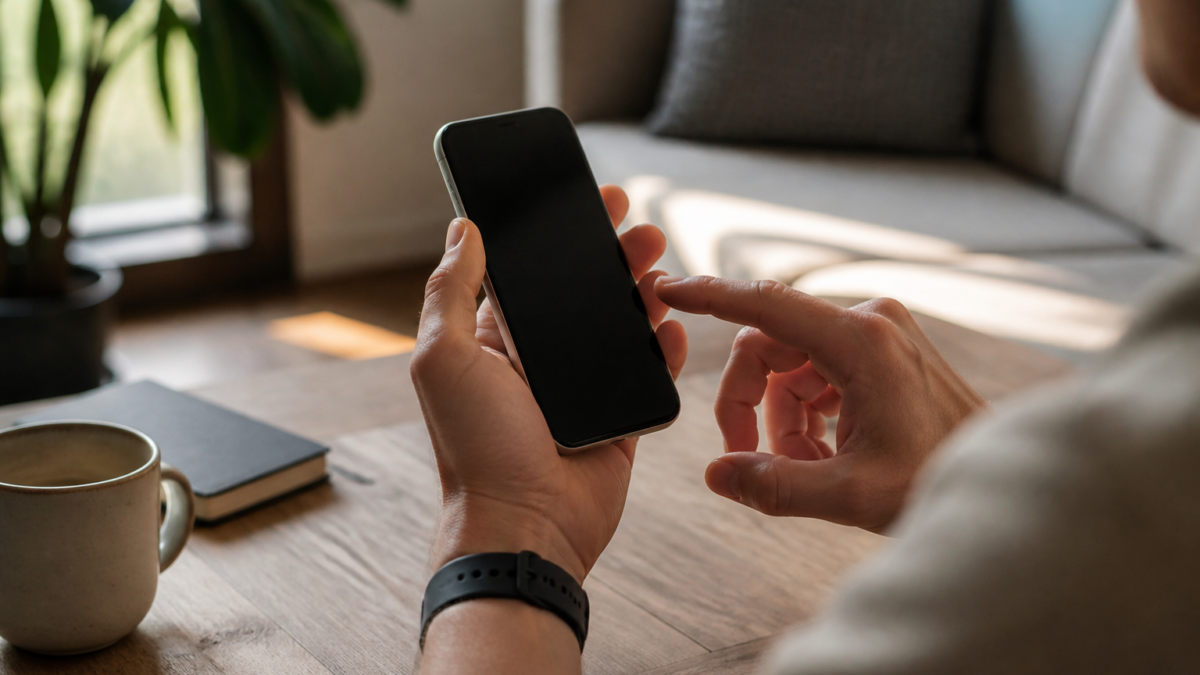
Quick Summary: Must-Review iPhone Security Settings
- Turn on two-factor authentication (2FA) for your Apple account (Apple Support).
- Review trusted devices and recovery contacts regularly (Apple Guide).
- Manage app permissions for location, camera, microphone, and photos (Apple Guide).
- Set a strong passcode or biometric authentication (FBI Best Practices).
- Protect against phishing attempts and scams.
- Enable Find My and Stolen Device Protection features.
- Use Advanced Data Protection for iCloud if desired (FBI).
- Keep your iPhone software up to date.
Essential Privacy & Security Settings: Step-by-Step Checklist
- Enable Two‑Factor Authentication (2FA):
Open Settings > [Your Name] > Sign-In & Security > Two‑Factor Authentication, then follow instructions to turn it on. This ensures you need both your password and a code sent to a trusted device or phone number to access your Apple account. [source] - Review Trusted Devices & Account Recovery:
In Settings > [Your Name], scroll to see devices currently signed into your Apple account. Remove any you don’t recognize.
Also, add or verify your Recovery Contacts via Sign-In & Security > Recovery Contacts, or set up a Recovery Key for advanced account recovery. [source] - Set a Strong Passcode & Biometric Lock:
Choose a complex passcode, and enable Face ID or Touch ID under Settings > Face ID/Touch ID & Passcode. [source] - Control App Permissions:
Go to Settings > Privacy & Security. Tap each category (Location Services, Photos, Microphone, Camera, etc.) and review which apps have access. Only allow permissions on a strict need-to-use basis. [source] - Deny Unnecessary App Tracking:
Under Privacy & Security > Tracking, toggle off Allow Apps to Request to Track, or manage on a per-app basis. You can also view the App Privacy Report to see how apps use your data. [source] - Set Up Find My & Enable Send Last Location:
In Settings > [Your Name] > Find My, ensure Find My iPhone and Send Last Location are on. This helps you track or erase your phone if it’s lost or stolen. [source] - Turn On Stolen Device Protection:
Go to Settings > Face ID/Touch ID & Passcode, and enable Stolen Device Protection. This adds extra security if your iPhone is taken. [source] - Consider Advanced Data Protection for iCloud:
Activate advanced end-to-end encryption for your iCloud data via Settings > [Your Name] > iCloud > Advanced Data Protection. [source] - Enable Safety Check (iOS 16+):
Safety Check is available under Settings > Privacy & Security. Use it to immediately review or reset sharing with people and apps, remove access from all devices, and update your passcode if you suspect your privacy is at risk (requires iOS 16+). [source] - Explore Lockdown Mode (High-Risk Users):
For those needing extreme protection from sophisticated threats, enable Lockdown Mode under Settings > Privacy & Security > Lockdown Mode. This is recommended for journalists, activists, or anyone at risk of government-level attacks. [source] - Turn on Automatic Updates:
Enable automatic updates in Settings > General > Software Update to stay protected with the latest security fixes. [source]
iPhone Privacy Permissions Review Table
| Setting | What to Review |
|---|---|
| Location Services | Which apps can access your location—disable for most, only enable where needed (source). |
| Photos | Set which apps can see all or specific photos. Use “Selected Photos” for privacy. |
| Microphone | Limit which apps can record audio or listen in. |
| Camera | Restrict camera access to essential apps only. |
| Tracking | Globally block or manage which apps can request tracking via Settings > Privacy & Security > Tracking (source). |
| Trusted Devices | Regularly review devices signed in with your Apple account, remove unknowns. |
Phishing & Scam Safety Advice
- Avoid clicking on suspicious links, pop-ups, or messages—go to your iPhone Settings or Apple’s official website directly.
- Never share verification codes received via text, email, or phone with anyone, even if they claim to be from Apple.
- Use unique and complex passwords for your Apple account and important apps.
- Be wary of messages saying your account is locked and urging you to act immediately.
- Report suspected scam messages or calls to Apple Support or your telecom provider.
Note: These are general cybersecurity tips supported by the FBI and Apple’s overall guidance.
Best Practices: How Often Should You Review?
No official Apple source defines a set review schedule. The FBI recommends reviewing your privacy and account security settings periodically, especially after installing new apps, receiving suspicious login activity, or signing in on a new device. A monthly review is a good personal routine, but the key is to stay proactive whenever your digital habits change or new threats arise. [source]
Extra Security Steps for Advanced Users
- Set Up a Recovery Key: For advanced Apple account security, you may create a Recovery Key (in Settings > [Your Name] > Sign-In & Security). Be careful—losing the key can make account recovery much harder.
[source] - Check App Privacy Report: In Settings > Privacy & Security > App Privacy Report, see which apps access your location, photos, camera, and more frequently.
[source] - Utilize Emergency Reset (Safety Check): If your safety is at risk or you suspect your device is compromised, use Emergency Reset in Safety Check to stop sharing and reset access instantly. [source]
Frequently Asked Questions (FAQ)
Why is two-factor authentication so important for my Apple account?
2FA adds a crucial layer of protection: even if someone guesses or steals your password, they cannot access your account without a code sent to your trusted device or phone number. It dramatically lowers identity theft risk. [details]
Do I need to review app permissions for every installed app?
It’s wise to review permissions for all installed apps, especially after new installs or app updates. Limit access to only what’s necessary for the app’s function. Check regularly under Settings > Privacy & Security. [source]
How do I know if an unfamiliar device is logged into my Apple account?
Go to Settings > [Your Name] to see a list of devices linked to your Apple ID. Remove any you don’t recognize; this will sign them out and revoke verification access. [source]
What should I do if I receive a suspicious Apple alert or message?
Avoid using any link or attachment in the message. Go directly to Settings or the official Apple website to check your account status, and never share verification codes via email or SMS. Delete the message and report it as phishing if possible.
How can I quickly lock down my iPhone if I fear my safety is compromised?
Use Safety Check (iOS 16+): Settings > Privacy & Security > Safety Check > Emergency Reset. This immediately revokes all sharing and resets sensitive access. [source]
Is Lockdown Mode right for me?
Lockdown Mode is designed for users facing serious, targeted threats (e.g., journalists, activists). For most people it’s unnecessary, but it’s available for those with high-risk security concerns. [source]
Will my security settings vary by iPhone model or iOS version?
Yes, features like Safety Check require iOS 16 or later and may not be available on older models. Always keep your software up to date for full protection.
iPhone Privacy & Security: Recap
Reviewing your iPhone’s privacy and security settings protects not just your device, but your entire digital life—personal data, accounts, and family safety. Take time to periodically audit your account logins, trusted devices, and app permissions. Turn on critical features like two‑factor authentication, Find My, and Stolen Device Protection; consider advanced steps such as Lockdown Mode or iCloud Advanced Data Protection if your situation requires. Stay vigilant for phishing, keep software updated, and use all tools Apple provides for your digital security. The right settings can prevent most incidents and give you peace of mind in today’s mobile world.
Sources:



Leave a Reply