

Last updated:
The iPhone Duo marks Apple’s official entrance into the foldable smartphone market, following its much-anticipated announcement on September 9, 2026. This groundbreaking device unfolds from a compact, pocket-friendly 5.4-inch exterior into a tablet-sized 7.6-inch OLED display, promising new productivity, creativity, and multitasking possibilities. With pre-orders beginning October 16 and retail availability on October 23 in the U.S., the Duo launches as a premium offering, starting at $1,999 for the 256GB model and extending to a top-tier 2TB version at $3,199. The iPhone Duo is available in Star White and Night Sky finishes. While Apple’s engineering details and software refinements impress on paper—boasting advanced durability, versatile cameras, iOS 27 enhancements for foldables, and flagship-level performance—a few crucial open questions remain. Real-world durability, repairability, and long-term battery life won’t be fully understood until independent reviews appear post-launch.
Price, Storage Options, and Release Details
The Duo sits at the top of Apple’s smartphone lineup, reflecting its advanced folding design and unique features. Four storage tiers are confirmed for U.S. buyers, each with precise pricing and availability.
| Storage | U.S. Price |
|---|---|
| 256GB | $1,999 |
| 512GB | $2,199 |
| 1TB | $2,599 |
| 2TB | $3,199 |
Pre-orders in the United States commence at 5 a.m. PT on October 16, with full availability beginning on October 23, 2026. Duo buyers can choose between Star White and Night Sky colors.
While the Duo’s starting price outpaces the iPhone 18 Pro Max ($1,299), its advanced foldable design, new multitasking options, and sizable inner display set it apart. The 256GB configuration suits most needs, though pro users working with heavy video files or extensive content libraries may benefit from the 512GB or 1TB models.
Foldable Design: Dimensions, Displays, and Durability
Apple’s Duo adopts a foldable, book-style form that’s both pocket-friendly (when closed) and spacious (when unfolded). Here are the key physical specs:
- Closed: 117.8 mm H × 84.1 mm W × 11.3 mm T (4.64 × 3.31 × 0.44 in)
- Open: 117.8 mm H × 164.6 mm W × 5.2 mm T (4.64 × 6.48 × 0.21 in)
- Weight: 254 g (8.96 oz)
The outer 5.4-inch Super Retina XDR OLED panel (1398 × 2034, 460 ppi) delivers near-full iPhone utility without opening the device. Once unfolded, the 7.6-inch inner Super Retina XDR OLED (1878 × 2670, 430 ppi) with nano-texture finish reduces glare and enables immersive work or entertainment. Both panels support adaptive 120Hz ProMotion, Always-On, HDR, True Tone, and up to 3,000 nits peak outdoor brightness.
Materials, Hinge, and Durability: The enclosure uses grade 5 titanium, with a precision multi-part hinge and Ceramic Shield 2 glass on the front (Ceramic Shield on the rear). Both IP68 water/dust resistance and nano-texture aim for durability, but there is no independent data on long-term hinge reliability, crease development, or drop resistance—practical endurance awaits post-launch reviews.
iOS 27 for Foldables: Multitasking, Touch ID, and Unique Software
iOS 27 has been rebuilt for Duo’s folding hardware. Notable features include:
- Two-App Split View: Run and interact with two apps side by side on the inner display.
- Flexible orientations: Tent mode, hands-free FaceTime, and more.
- System-wide layout adjustments: Apple’s apps have been adapted for the larger, evolving space, with third-party support developing.
- Touch ID: Biometric fingerprint sensor is in the side button, designed to work in any device orientation.
- Apple Intelligence (Siri AI): Enhanced voice and contextual assistance for multitasking and device control.
StandBy—turning your phone into a display or clock—has expanded functionality, running on either screen even when not charging. Apple Pencil (USB-C) is confirmed as a future upgrade within 2026 (check for live support before purchase if needed for note-taking or illustration).
Productivity and Entertainment
The expanded inner display’s Split View allows effortless side-by-side multitasking—email alongside calendars, or video calls beside shared documents. For entertainment, tent and partial fold positions improve comfort for video and media.
Checklist:
- Do you regularly use two apps simultaneously?
- Would a larger but pocketable display change your mobile routine?
- Are you comfortable adapting to side-fingerprint authentication?
- Do you rely heavily on third-party apps (which may lag behind in foldable support)?
Performance & Hardware: A20 Pro Chip, Dual Battery, Charging
The Duo is powered by Apple’s flagship A20 Pro chip, also found in the iPhone 18 Pro, with a 6-core CPU, 7-core GPU, dual 16-core Neural Engine, and on-chip ray tracing.
- Performance: Hardware specs promise high sustained speed, advanced gaming, and AI tasks—but real-world battery life and heat management remain to be tested independently.
- Battery: Dual-battery architecture with adaptive management promises “all-day” endurance. Manufacturer estimates include up to 24 hours of mixed use, 44 hours video playback (outer screen), and 31 on the inner. User experiences will vary depending on display choice, workload, and brightness.
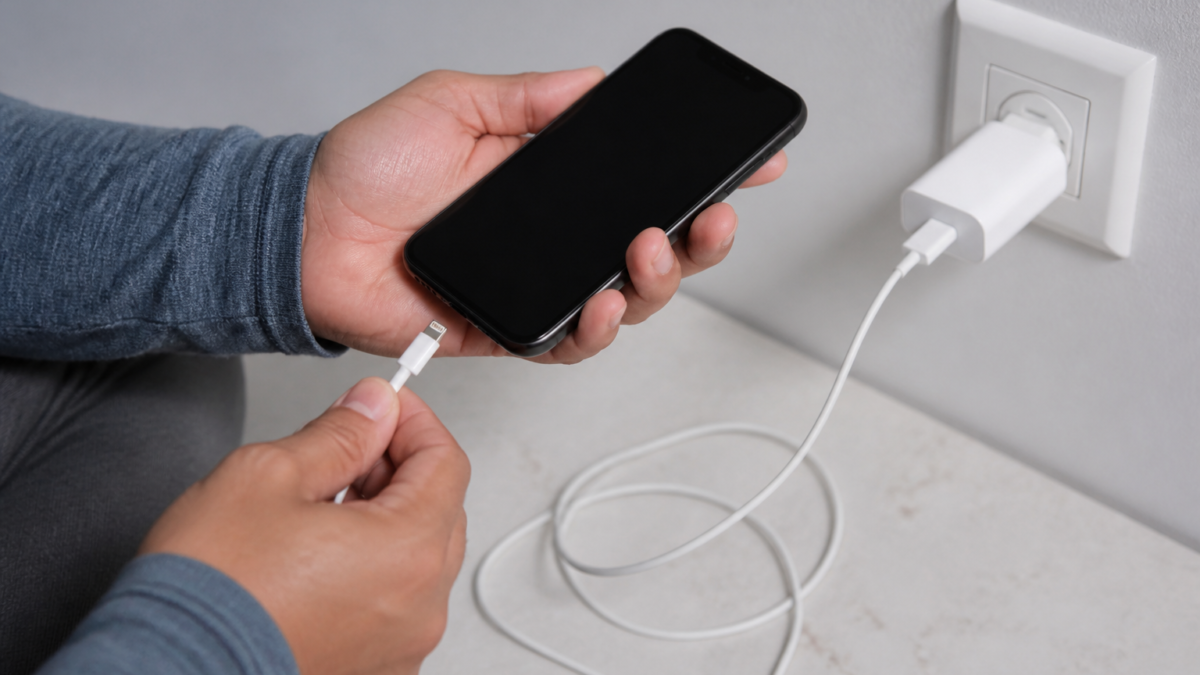
- Charging: Wired fast charging (50% in ~20 minutes with 60W adapter), MagSafe and Qi2 wireless charging up to 25W. USB-C port supports data (up to 10 Gb/s), DisplayPort, and Apple Pencil charging.
- Connectivity: 5G, Wi-Fi 7, Bluetooth 6, NFC, Thread, dual eSIM, Find My, Emergency SOS via satellite, Ultra Wideband, no physical SIM slot.
As always, independent tests will be key to verifying sustained performance and battery longevity.
Camera System and Dual-Screen Photography
The 48MP Dual Fusion camera array is built specifically for Duo’s slim chassis:
- Main: 48MP, 26mm, f/1.6, sensor-shift OIS (2× optical-quality zoom).
- Ultra Wide: 48MP, 13mm, f/2.2, 120° FOV—enables macro as well.
- Front: 12MP Center Stage camera for selfies, calls, and orientation-aware video.
Unique foldable features:
- Smart Take: Hands-free, AI-powered capture when subjects are posed properly.
- Duo Preview: Shows the outer display as a live viewfinder (helpful for taking group shots or selfies with the main cameras).
- Kid Cue: Animations on the outer screen to attract children’s attention for photos.
Notable omission: The Duo does not offer a dedicated long-range telephoto camera found on the iPhone 18 Pro Max. Zoom reach maxes out at 2x optical-quality plus digital enhancements. For video, the system supports Dolby Vision, Cinematic mode, Action mode, and up to 4K/120fps recording.
Comparison: iPhone Duo vs iPhone 18 Pro Max vs Samsung Galaxy Z Fold8
| Feature | iPhone Duo | iPhone 18 Pro Max | Galaxy Z Fold8 |
|---|---|---|---|
| U.S. starting price | $1,999 | $1,299 | $1,899.99 |
| Main display | 7.6-inch foldable OLED | 6.9-inch OLED | 7.6-inch foldable OLED |
| Outer display | 5.4-inch | — | 5.5-inch |
| Weight | 254g | 249g | 201g |
| Folded thickness | 11.3mm | 8.75mm | 9.7mm |
| Processors | A20 Pro | A20 Pro | Snapdragon 8 Elite Gen 5 |
| Rear cameras | 48MP Main + 48MP Ultra Wide | 48MP Main + UW + Telephoto | 50MP Wide + 50MP Ultra Wide |
| Long zoom | 2x optical-quality | Up to 8x optical-quality | Up to 10x digital |
| Battery/power | Dual battery, all-day | Single battery, up to 45 hr video | 4,800mAh, up to 26 hr video |
| Stylus | Apple Pencil USB-C (planned) | No | No S Pen support |
| Water/dust rating | IP68 | IP68 | IP48 |
| Multitasking | Split View, flexible formats | Standard iPhone UI | Multi Window, DeX |
At a glance:
- Duo excels at two-app multitasking, folding compactness, and Apple ecosystem features but lacks optical telephoto zoom.
- iPhone 18 Pro Max offers a stronger camera zoom, more established reliability, and lower price.
- Galaxy Z Fold8 weighs less, has Android productivity tools, but does not support Samsung’s stylus.
Who Should Buy the iPhone Duo?
The iPhone Duo is ideal for:
- Users who will routinely benefit from the expanded folding display—heavy readers, multitaskers, hybrid work professionals, and creators.
- Apple fans seeking the brand’s first foldable, fully integrated with iOS and Apple’s ecosystem.
- Anyone seeking new photography experiences—especially rear-camera selfies and child-friendly features.
Consider alternatives if:
- You prioritize telephoto or pro-level mobile photography (the 18 Pro Max is a better fit).
- You rarely use multitasking or work mostly with single-app tasks.
- You prefer a more established or lighter foldable (see the Z Fold8).
Key Buying Questions
- How often will you fully unfold the Duo?
- Is 2x optical-quality zoom sufficient for your photographic needs?
- Is the increased device thickness—when folded—acceptable for pocket carry?
- Are you comfortable adopting a first-generation Apple foldable and uncertain repair costs?
Value, Upgrade Considerations, and Durability Caveats
For $1,999+, the Duo isn’t just an annual phone upgrade—it’s a new device category with potential to replace both phone and tablet for a subset of users. However, its price premium over the 18 Pro Max and the lack of proven long-term durability are significant factors. Apple’s engineering inspires confidence, but any foldable brings moving parts and wear points that traditional phones lack. Repairability, battery replacement, and real-world hinge lifespan remain unknown until in-depth reviews and breakdowns are published.
Checklist before buying:
- Would a 7.6-inch screen materially improve your daily mobile work and entertainment?
- Can you live with the weight and additional folded thickness?
- Is first-gen risk—including depreciation—worth the new form factor?
- Do you rely on carrier eSIM support?
iPhone Duo: Frequently Asked Questions
Is the iPhone Duo officially available?
Yes—Apple confirmed the iPhone Duo launch, with pre-orders starting October 16, 2026 and in-store availability on October 23. All specs and pricing are published on Apple’s official site.
How much does the iPhone Duo cost?
The U.S. base price is $1,999 for 256GB. Upgrades to 512GB ($2,199), 1TB ($2,599), and 2TB ($3,199) are also available.
What displays does the iPhone Duo use?
A 5.4-inch outer and a 7.6-inch foldable inner OLED display, with nano-texture finish, 120Hz ProMotion, Always-On, and up to 3,000 nits peak brightness.
Can I use the Apple Pencil with Duo?
Apple has confirmed Apple Pencil (USB-C) compatibility as coming in late 2026—not guaranteed at launch. Users needing stylus support should check current software status before purchasing.
Does iPhone Duo have Face ID?
No. Touch ID is used instead, via a fingerprint sensor in the side button.
How does the camera system compare?
The Duo features a 48MP Main and 48MP Ultra Wide Dual Fusion arrangement, with rear-camera selfies, hands-free capture, and live preview on the outer screen. It lacks a long-range telephoto camera, so those who rely on extended zoom may prefer the 18 Pro Max.
Should I buy at launch or wait?
Early adopters who value the new form factor can preorder; others may want to wait for post-launch reviews that will cover hinge durability, battery life, camera comparisons, and repairability not proven by specs alone.
Conclusion
The iPhone Duo is Apple’s most ambitious update to the iPhone family in years: it’s a high-end foldable ideal for multitasking, productivity, and creators who want a device that can switch between compact phone and tablet-sized display. Durable titanium, dual-battery hardware, and iOS 27 provide a robust platform—but the $1,999+ price tag, lack of a true telephoto camera, and lack of independent long-term tests make it important for most shoppers to carefully weigh their needs. If you’re an Apple devotee who will truly use the foldable screen and multitasking, the Duo opens fresh possibilities. For more traditional uses or proven reliability, the iPhone 18 Pro Max or a mature foldable like Samsung’s Galaxy Z Fold8 may serve you better. Waiting for real-world reviews could save you money—and give you peace of mind about hinge, display, and battery life over time.











Leave a Reply