
Last updated:
If Your iPhone Cable Won’t Charge Your Phone: Start Here
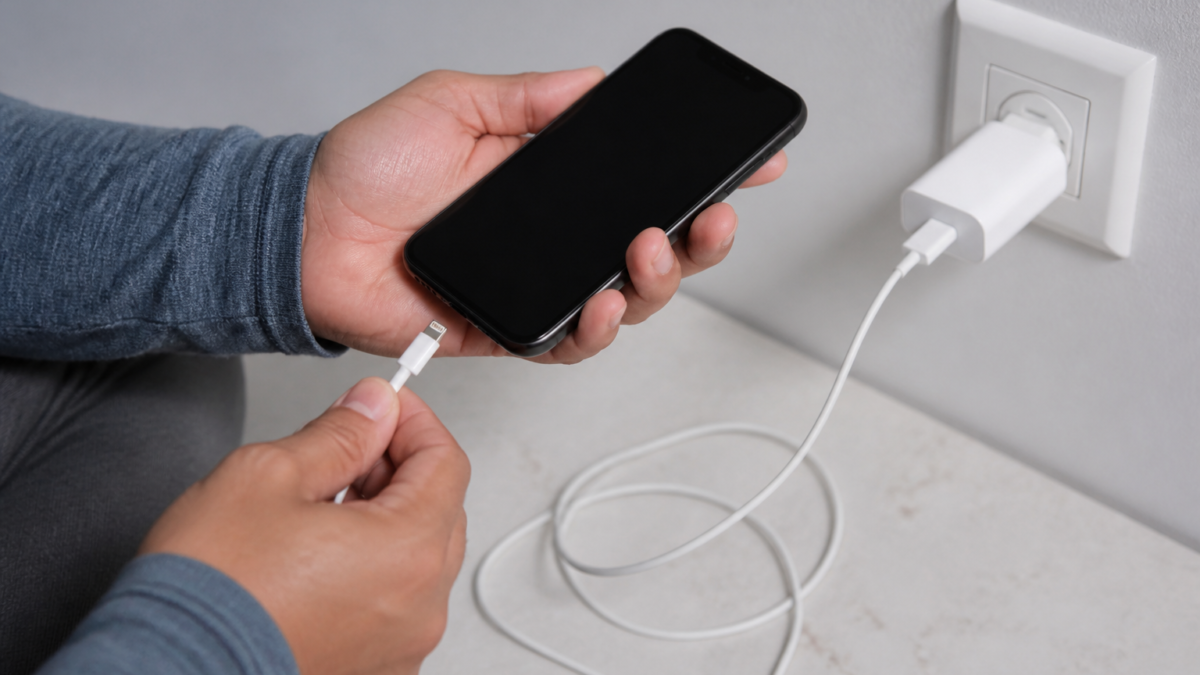
Few iPhone frustrations cause panic like discovering your device won’t charge when you plug it in. Even if it worked a few hours ago, a charging failure can leave you scrambling for answers—wondering whether you need a new cable, a different adapter, or even an expensive phone repair. Fortunately, most iPhone charging problems stem from fixable issues like debris in the port, a worn cable, a problematic adapter, or a power source issue. Apple’s official support process walks users through a logical sequence of checks to narrow down the fault before you consider service or replacement.[1]
This comprehensive guide explains exactly what to check—and how to fix it—when your iPhone cable isn’t charging as expected. Whether you have a classic Lightning-cable model or a newer USB-C iPhone, you’ll find solutions grounded in Apple’s latest 2026 support and firmware information. We’ll also cover new issues (like the iOS 26.5.1 charging bug), wireless charging alternatives, and when to escalate to professional help.
The Most Common Causes of iPhone Charging Failure
When your iPhone refuses to charge, Apple’s diagnostic flow zeroes in on just a few likely triggers:
- Cable or adapter issues— Fraying, breakage, non-certified accessories, or internal damage to the cable or power adapter.
- Power source issues— Faulty wall outlets, USB ports, or incompatible chargers.
- Physical connection problems— Dirty or obstructed charging port on your iPhone, loose cable fit.
- Accessory not supported or certified— Messages like “Accessory may not be supported” when using an off-brand or damaged accessory.[1]
- Device software glitches— Temporary hangs or rare bugs that prevent charging until you restart or update your iPhone.
- Overheat or battery protection features— Charging stops at 80% due to battery temperature or Apple’s charging optimization features.
About 80% of charging failures resolve with the right combination of these simple checks. If not, the guidance provided here will help you decide when it’s time to escalate.
Step-By-Step iPhone Charging Troubleshooting
- Test Different Power Sources
Plug your iPhone into another wall outlet, power strip, or a USB port on a computer. If it charges elsewhere, the issue may be your power source or outlet. - Inspect Your Cable and Power Adapter
Look for visible damage: frayed cable, bent connector, scorch marks, or loose prongs. Apple warns not to use worn or obviously damaged charging hardware.[1] - Check Cable Compatibility
If you’re using an iPhone 15 or newer, you’ll need a USB-C-to-USB-C cable and a compatible adapter. Older models use a Lightning port.[2] USB-C cables must support charging (not all data-only cables do), and some third-party adapters may not be fully supported. Swap if unsure. - Clear Debris from the Charging Port
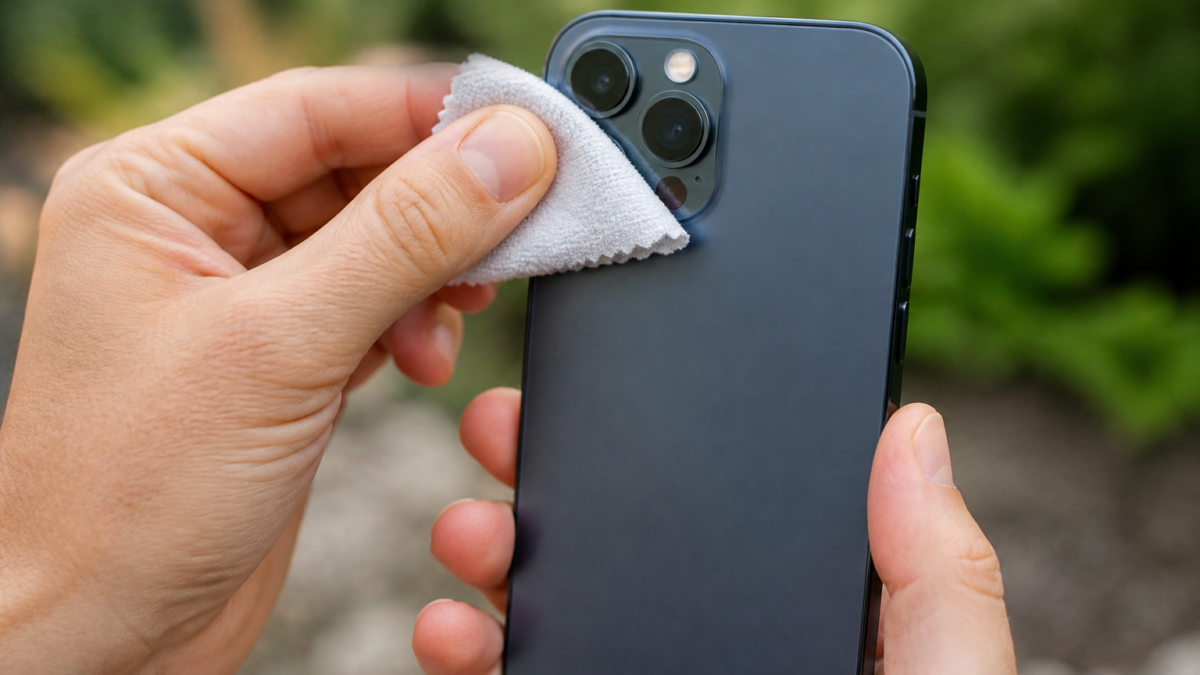
Lint or dust can block a snug cable fit. Shine a light into your port, and if needed, gently remove debris using a nonmetallic tool (never use anything sharp or conductive). - Reconnect and Try a Different Cable/Adapter
Make sure your cable is firmly connected at both ends. If you see “Accessory may not be supported,” try an official Apple cable and adapter.[1] - Let It Sit on the Charger
If your battery is deeply depleted, your iPhone may take several minutes to display the charging indicator. Wait at least 30 minutes before assuming it won’t charge. - Restart, Then Force Restart
If no charging symbol appears, restart your iPhone. On continued failure, perform a force restart (see Apple’s device-specific button sequence). - Try Wireless Charging (If Supported)
If wired charging fails and your iPhone supports wireless charging, test a certified Qi charger to determine if the issue is cable-related.
| Step | Why It Matters | How To Check |
|---|---|---|
| Try another power source | Eliminates faults in wall outlets or USB ports | Use a different wall plug or USB port |
| Inspect cable/adapter | Avoids hidden cable/adapter faults | Look for damage/burns/frays |
| Check cable type | Ensures compatibility (USB-C or Lightning) | Refer to your iPhone model |
| Remove debris | Prevents physical blockages | Shine light into charging port |
| Reconnect/swap accessories | Identifies defective or unsupported gear | Try official Apple cables/adapters |
| Wait 30 minutes | Lets deeply drained battery recover | Give the phone time before ruling out |
| (Force) Restart iPhone | Clears software bugs | Press the right buttons for your model |
When Charging Behavior Seems Odd, Not Broken
Your iPhone may appear to stop charging at around 80% for several reasons. Apple’s battery health features (like Optimized Battery Charging) may temporarily pause charging to reduce long-term battery wear. Charging can also pause if the device becomes too warm. Some new models support a user-enabled charge limit.[1]
This is not a sign of hardware damage. If your phone resumes charging after cooling or later in the day, it’s likely normal. If your iPhone will not charge at all, however, continue troubleshooting.
Accessory Warnings: Understanding and Fixing Them
If you see an “Accessory may not be supported” or “This accessory is not certified” alert, charging may be blocked. This is usually triggered by:
- A non-certified (not Apple or MFi-certified) cable or adapter
- Defective, dirty, or damaged connectors
- Incorrect pairing (USB-C data cables instead of charging cables)
To fix, swap to a genuine Apple cable and adapter, and ensure both are in good condition. This is the fastest way to rule out accessory issues.[1]
Special Case: Charging Bugs in Latest iPhones (iOS 26.5.1 Update)
As of June 2026, Apple acknowledged a rare but real wired-charging bug affecting a small number of iPhone Air and iPhone 17 series devices. The bug caused affected devices to refuse to charge with a cable after the battery was nearly depleted. This issue was fixed in iOS 26.5.1; update your phone if you experienced sudden charging failure when your battery ran flat.[3]
User tip: Some Reddit users have reported that, despite installing iOS 26.5.1, occasional issues may persist (such as needing to force restart or only charging when powered off). While these are not widespread or officially recognized bugs, they indicate that persistent issues could merit further troubleshooting or a hardware check.[4]
If Wired Charging Still Fails: Alternatives and Escalation
After working through all Apple-recommended troubleshooting steps—different cable, adapter, outlet, and cleaning—if your iPhone still refuses to charge, try wireless charging (if your model supports it).[1] If charging by any method continues to fail, Apple advises seeking professional service. Physical or liquid damage to the port, battery, or internal board can cause non-recoverable failure that home remedies can’t fix. For safety, avoid attempting DIY board-level repairs.
Decision-Making Checklist: iPhone Not Charging
- Test another outlet, USB port, or charger
- Inspect your cable and adapter for damage
- Confirm the cable matches your iPhone model (USB-C or Lightning)
- Thoroughly but gently clean the charging port with a nonmetallic tool
- Firmly reconnect accessories and swap for official Apple gear if any errors appear
- Restart, or force restart after waiting 30+ minutes on the charger
- If the device remains unresponsive, schedule a service appointment
Pros and Cons of DIY iPhone Charging Fixes
| Pros | Cons |
|---|---|
| Fast and no-cost for most fixes | Hardware faults (port/battery) can’t be fixed at home |
| Helps pinpoint whether the issue is cable/adaptor/device | Forceful cable use can worsen physical port damage |
| Reduces unnecessary service calls | Liquid and board failures require professional attention |
iPhone Cable Charging Issues: Frequently Asked Questions
Why is my iPhone not charging when plugged in?
The usual culprits are a faulty or non-certified cable, damaged or dirty charging port, bad adapter or wall outlet, or a temporary software glitch. Always test each component systematically.[1]
Should I attempt to clean the charging port myself?
Yes, but use extreme care. Use a nonmetallic tool or compressed air—never metal objects—to avoid damaging port connectors.[1]
What does it mean if my iPhone stops charging at 80%?
This can happen by design due to Optimized Battery Charging, high device temperature, or a soft charge limit enabled for battery longevity on some newer iPhones. It’s normal unless charging won’t resume later.[1]
What if I see an “Accessory not supported” warning?
Swap to official Apple or MFi-certified accessories. Damaged or off-brand cables/adapters commonly trigger this warning and can interrupt charging.[1]
When should a professional inspect my iPhone?
If your iPhone will not charge despite different cables, adapters, outlets, and a thorough cleaning and restart, seek Apple support—especially if you suspect port, board, or liquid damage.[1]
Does iOS 26.5.1 fix all charging issues for iPhone 17 and iPhone Air?
iOS 26.5.1 specifically addresses a bug affecting a small set of iPhone 17 and iPhone Air models that wouldn’t charge via cable after a full battery drain.[3] Other issues may persist, so always continue troubleshooting if problems remain.
Can using an off-brand USB-C charger damage my iPhone?
While most USB-C accessories are safe, Apple recommends using certified and supported charging equipment to avoid compatibility problems or charging interruptions, especially with newer iPhones.[2]
Conclusion: Take the Right Next Step for a Non-Charging iPhone
Nearly every iPhone charging failure can be solved by logical, simple troubleshooting—checking your cable, adapter, port, outlet, and trying clean, official gear. Newer iPhones add USB-C considerations, but the fundamental checks remain the same. Persistent problems could indicate hardware defects, especially if you’ve tried wireless charging and system updates (including iOS 26.5.1 for affected models). Don’t risk further damage by forcing cables or attempting complex DIY repairs. The wisest next step after basic troubleshooting is to schedule a professional Apple service appointment to pinpoint and resolve any deeper issue.[1] [3]
Further Resources
- Apple’s official charging troubleshooting
- iPhone hardware details
- MacRumors on iOS 26.5.1 wired charging fix
- AppleHelp on persistent charging issues (user reports)
Editorial note: Information provided is current as of September 24, 2026. Product features and troubleshooting may change over time; always verify important details with Apple’s official guidance and schedule service if unresolved.







Leave a Reply