
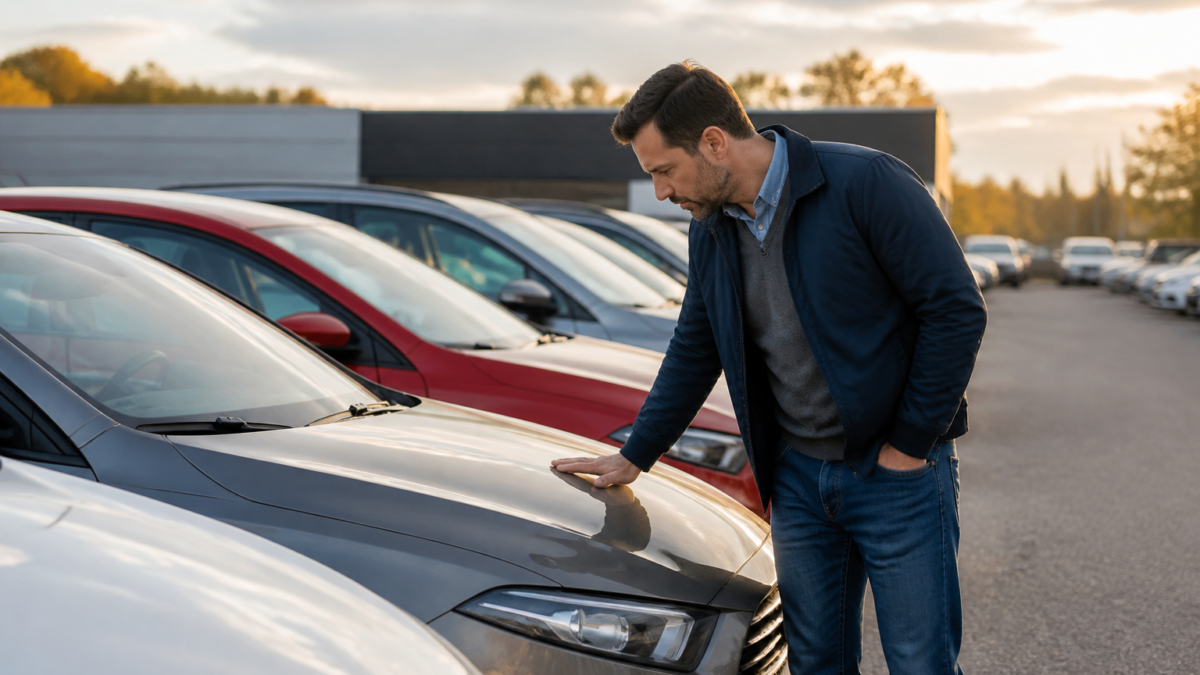
How to Buy a Used Car: A Practical Checklist for a Safer Purchase
Buying a used car can be a smart way to control transportation costs, but the process requires more than finding a low price and taking a short test drive. A vehicle may look clean in photos while having accident damage, unresolved recalls, expensive mechanical problems or paperwork issues that are difficult to correct after the sale.
The best way to approach a used-car purchase is as a research and verification process. Set a realistic budget, compare several vehicles, inspect the car independently and review every document before money changes hands. The following guide explains the major steps involved in buying a used car in the United States.
1. Set a complete budget before shopping
Start with the total cost of ownership rather than focusing only on the advertised price. In addition to the vehicle itself, you may need to pay sales tax, title and registration charges, dealer documentation fees, inspection costs, insurance, financing charges and immediate maintenance.
It is also wise to leave room for routine expenses such as tires, brakes, fluid services and replacement batteries. Even a reliable used vehicle may need maintenance soon after purchase, especially if its service history is incomplete.
- Decide how much you can comfortably spend each month if you will finance the vehicle.
- Estimate insurance costs before choosing a model.
- Ask the seller for a written breakdown of taxes, fees and add-on products.
- Keep an emergency reserve for repairs and scheduled maintenance.
- Compare the total purchase amount, not just the monthly payment.
A lower monthly payment can still result in a more expensive loan if the term is extended. Review the amount financed, annual percentage rate, loan term and total repayment amount before accepting an offer.
2. Choose the vehicle based on your actual needs
Consider how you will use the car most of the time. A compact sedan may be practical for commuting, while a larger vehicle may be appropriate for passengers, cargo or towing. Fuel economy, seating capacity, ground clearance, maintenance costs and parts availability can all affect long-term ownership expenses.
Research common problems for the specific year, make and model. Similar vehicles can differ significantly from one model year to the next because of changes to engines, transmissions, safety equipment or technology. Look for information from established automotive publications, government agencies, manufacturer service information and owner communities, while treating individual anecdotes cautiously.
Before contacting a seller, make a shortlist of several comparable vehicles. Having alternatives makes it easier to walk away from a car that fails an inspection or has unfavorable paperwork.
3. Compare different types of sellers
Private sellers, franchised dealerships, independent dealers and online marketplaces each offer different advantages and risks.
Private sellers
Private-party vehicles may be competitively priced, but buyers generally need to arrange their own inspection, financing, registration and paperwork. Consumer protections and return options may also be more limited than they are at a dealership, depending on state law and the written agreement.
Dealerships
Dealers may offer financing options, trade-in services and assistance with title or registration paperwork. However, the advertised price may not include every fee, and optional products such as service contracts, protection packages or dealer-installed accessories can increase the final amount.
Certified pre-owned vehicles
Certified pre-owned programs typically include eligibility requirements, inspections and some form of limited warranty. The exact coverage varies by manufacturer and dealer, so read the certification documents rather than assuming every major repair is covered. A certified vehicle can still benefit from an independent inspection.
Online listings
Online platforms make it easier to compare mileage, equipment and location, but photographs do not confirm mechanical condition. Be cautious if a seller refuses an in-person inspection, asks for an unusual payment method or pressures you to send money before you have verified the vehicle and documents.
4. Review the vehicle history carefully
A vehicle history report can reveal useful information about reported accidents, title events, ownership changes, mileage entries, service records and whether the car was listed as a rental, fleet vehicle or salvage vehicle. It is an important screening tool, but it is not a substitute for a physical inspection.
History reports may not contain every collision or repair. An accident that was paid for privately, for example, might not appear in a database. Look for inconsistencies between the report, the seller’s description and the condition of the vehicle.
Pay close attention to title status. A clean title does not guarantee that a car has never been damaged, while a branded title may indicate salvage, flood, rebuilt, hail or other significant history. Title terminology differs by state, so confirm the meaning with the appropriate state motor-vehicle agency before proceeding.
Also compare the mileage shown on the odometer with maintenance invoices, inspection records, title documents and history-report entries. Signs of possible odometer fraud can include inconsistent mileage records, worn pedals or seats that do not match the claimed mileage, missing service documentation or a digital odometer that appears tampered with. If the mileage cannot be reasonably verified, consider choosing another vehicle.
5. Check for open safety recalls
Search for open recalls using the vehicle identification number, commonly called the VIN. A recall may involve a safety-related defect that the manufacturer is required to address through an authorized repair program. Ask the seller whether recall work has been completed and request documentation when available.
An open recall does not automatically mean you should reject a vehicle, but you should understand the issue and confirm how and where it can be repaired. Some recall repairs may require appointment availability or replacement parts. Never assume that a routine service visit has resolved a recall unless the repair is documented.
6. Arrange an independent pre-purchase inspection
One of the most valuable steps in a used-car purchase is an inspection by an independent mechanic who is not connected to the seller. The inspection should be performed before signing a final agreement whenever possible.
A qualified mechanic may examine the engine, transmission, suspension, steering, brakes, tires, cooling system, leaks, exhaust, electrical components and evidence of collision repairs. They can also use diagnostic equipment to identify warning codes that may not be visible during a short drive.
- Choose the mechanic yourself rather than relying only on the seller’s recommended shop.
- Ask for a written inspection report.
- Confirm whether the inspection includes a road test and electronic diagnostics.
- Ask which repairs are urgent, which can wait and what they may cost.
- Do not treat a seller’s refusal to permit an inspection as a minor concern.
An inspection costs money, but it can help you avoid purchasing a vehicle with problems that exceed the apparent savings. If the seller will not allow the car to be inspected, walking away is usually safer than relying on verbal assurances.
7. Take a thorough test drive
Test-drive the vehicle under conditions similar to your normal use. If possible, drive on local streets, at highway speeds and over different road surfaces. Start the car when the engine is cold, because some problems are easier to identify before the vehicle has warmed up.
Notice whether the engine starts smoothly, the transmission shifts consistently and the vehicle tracks straight. Listen for unusual knocking, grinding, clunking or humming sounds. Test the brakes, parking brake, steering, climate controls, windows, locks, lights, entertainment system and driver-assistance features.
Check the dashboard for warning lights before and after the drive. A warning light that disappears after startup is not necessarily proof that the underlying issue has been corrected. A mechanic can perform a more complete diagnostic evaluation.
8. Confirm insurance, taxes and registration costs
Before buying, contact an insurance provider for a quote using the exact vehicle identification number when available. Insurance premiums can vary based on the model, location, driver history, coverage choices and whether the vehicle is financed. A car that appears affordable may be less practical if it carries unusually high insurance costs.
Ask the seller or dealership for an itemized estimate of sales tax, title charges, registration fees, emissions or safety inspections and documentation fees. These costs vary by state and sometimes by county or city. If you are buying from another state, confirm which party handles temporary tags, title paperwork and any required inspections.
Do not rely solely on a handwritten total or a verbal promise that fees will be waived. Request the complete out-the-door amount in writing.
9. Understand financing before negotiating
Arrange financing before visiting a dealership when possible. A bank or credit union preapproval gives you a reference point for comparing the dealer’s offer. It also helps you focus on the vehicle’s total price instead of negotiating only around a monthly payment.
Review the annual percentage rate, loan term, amount financed, required down payment, payment schedule and total cost of the loan. Be cautious about long loan terms that reduce the monthly payment but increase interest and may leave you owing more than the vehicle is worth for a longer period.
Do not send money in advance to an unknown seller merely to “hold” a vehicle unless the arrangement is documented and you have verified the seller, vehicle and refund terms. Legitimate financing normally involves a lender, written disclosures and a clear payment process. Avoid wire transfers, gift cards or other difficult-to-recover payment methods when the transaction appears unusual.
10. Review the contract and return policy
Read every document before signing. The contract should identify the vehicle, VIN, purchase price, taxes, fees, financing terms and any warranty or service-contract coverage. Confirm that promised repairs, equipment or discounts are written into the agreement.
Ask whether the sale is “as is” or includes a written warranty. An “as is” sale generally means the seller is not promising to repair future problems, although applicable consumer-protection rules may still apply. Do not assume that a general return period exists. In many purchases, there is no automatic right to return a vehicle simply because you change your mind.
If a dealership offers a return policy, study its time limit, mileage limit, restocking fee, exclusions and documentation requirements. If the terms are unclear, ask questions before signing.
11. Complete the paperwork safely
Before taking possession, confirm that the seller’s name matches the title and that there are no unresolved liens unless the payoff process is clearly documented. Check that the VIN on the vehicle matches the VIN on the title, contract and insurance documents.
Obtain a signed bill of sale when appropriate, copies of all agreements and receipts for every payment. Follow your state’s requirements for title transfer, registration, temporary permits and emissions or safety inspections. Keep records of the inspection, history report, repair promises and communications with the seller.
For a private-party transaction, meet in a safe public location and verify the payment and title procedures with your motor-vehicle agency or financial institution. Never leave the title transfer incomplete based only on a verbal promise.
Used-car buying checklist
- Set a total budget that includes taxes, fees, insurance and repairs.
- Research the specific make, model and model year.
- Compare multiple vehicles and sellers.
- Obtain and review a vehicle history report.
- Verify title status and investigate any lien or brand.
- Check the VIN for open safety recalls.
- Compare mileage with available records.
- Arrange an independent pre-purchase inspection.
- Complete a careful test drive.
- Get insurance and registration estimates.
- Compare financing offers using the total loan cost.
- Review the contract, warranty and return policy.
- Keep copies of all paperwork and payment records.
Final thoughts
The strongest used-car purchase is not necessarily the one with the lowest advertised price. It is the vehicle whose condition, history, ownership costs and paperwork have been independently checked and clearly documented. Take your time, ask direct questions and be prepared to leave if the seller resists reasonable verification.
A careful process cannot eliminate every risk, but it can reduce the chance of paying for hidden damage, unaffordable financing or incomplete paperwork. Research first, inspect before committing and make the final decision based on the complete cost of owning the car.

Supporting Image for “How to Buy a Used Car: A Practical Checklist for a Safer Purchase”.








Leave a Reply