

When you compare car insurance quotes, the lowest price is only one part of the decision. Two policies may appear similar while offering different liability limits, deductibles, exclusions, claims procedures, and optional protections. A quote that looks inexpensive at first may provide less coverage or leave you paying more after an accident.
A careful comparison can help you understand what each policy includes and whether it fits your vehicle, driving habits, budget, and state requirements. This guide explains the main factors to review before buying or renewing car insurance in the United States.
Why Comparing Car Insurance Quotes Matters
Insurance pricing can vary between companies because insurers use different underwriting methods and rating factors. Depending on the insurer and the information provided, quotes may consider your driving history, location, vehicle, annual mileage, age, coverage choices, claims history, and other permitted factors.

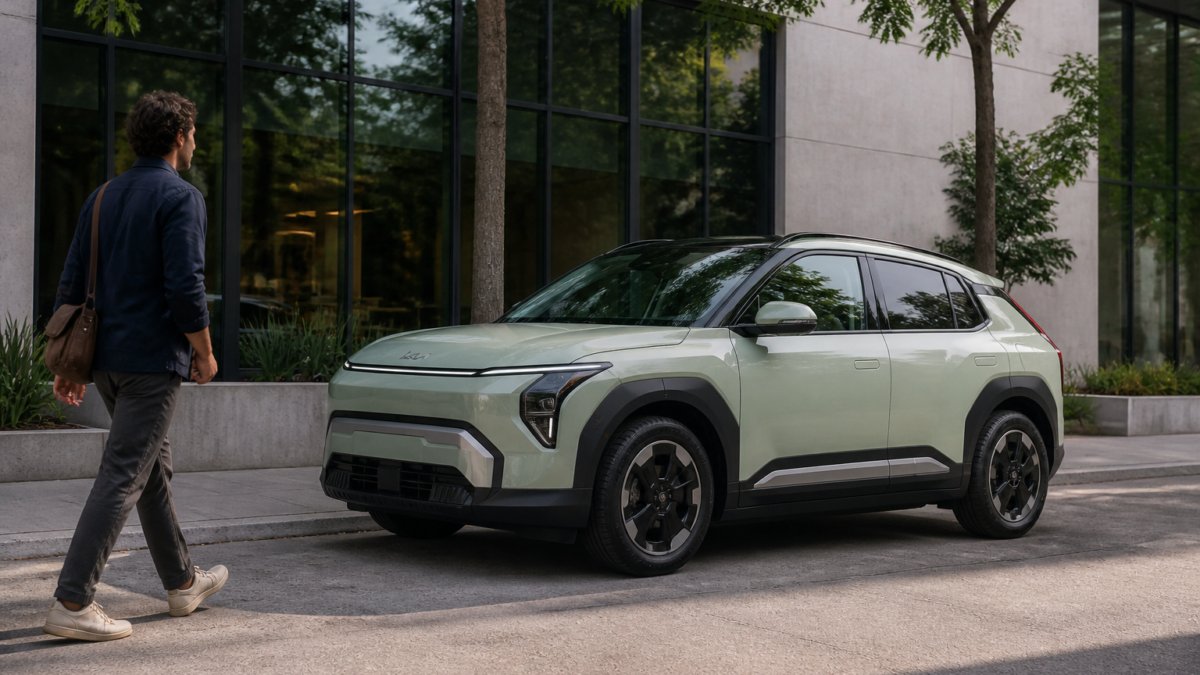
Supporting Image for “How to Compare Car Insurance Quotes and Choose the Right Coverage”.
That means the first quote you receive is not necessarily the best match for your needs. Comparing several offers can help you identify differences in both price and protection. It may also reveal that changing a deductible, removing an unnecessary option, or applying an eligible discount affects the premium.
However, quotes should be compared on an equivalent basis. A policy with lower limits or fewer protections should not be treated as a direct alternative to a more comprehensive policy simply because its premium is lower.
Understand the Main Parts of a Car Insurance Policy
Before comparing premiums, review the coverage included in each quote. The names and rules can vary by state, but most auto policies contain several common components.
Liability coverage
Liability insurance generally helps pay for injuries or property damage you are legally responsible for after a covered accident. It commonly includes bodily injury liability and property damage liability.
Each state sets its own minimum insurance requirements, and those minimums may not provide enough protection for every driver or situation. When comparing quotes, check the exact liability limits rather than looking only at the monthly payment. Higher limits may provide broader financial protection, although they can increase the premium.
Collision coverage
Collision coverage generally helps pay to repair or replace your vehicle after a covered crash, subject to the policy terms and deductible. It may apply whether you collide with another vehicle or an object, although exclusions and conditions can differ.
If you finance or lease a vehicle, the lender or leasing company may require certain coverage. Drivers who own an older vehicle may also weigh the cost of collision coverage against the vehicle’s current value and their ability to pay for repairs or replacement.
Comprehensive coverage
Comprehensive coverage generally addresses certain types of damage that are not caused by a collision. Depending on the policy, covered events may include theft, vandalism, weather-related damage, falling objects, or contact with an animal.
As with collision coverage, a deductible usually applies. Review the covered causes of loss and exclusions instead of assuming that every type of damage is included.
Uninsured and underinsured motorist coverage
This coverage may help protect you if you are injured or your vehicle is damaged by a driver who has no insurance or not enough insurance, depending on state rules and the policy. Availability, required limits, and whether property damage is included can vary.
It is worth asking how this protection works in your state and whether the limits match the level of liability coverage you are considering.
Medical payments or personal injury protection
Some states offer or require medical payments coverage, personal injury protection, or related benefits. These coverages may help with medical expenses and, depending on the policy and state, certain costs associated with an injury after a crash.
Because these rules differ significantly by location, review the details in the quote and policy documents. Do not assume that health insurance or another policy will cover every expense connected to an auto accident.
Compare Deductibles and Out-of-Pocket Costs
A deductible is the amount you generally pay toward a covered claim before the insurer pays the remaining eligible amount. Collision and comprehensive coverage often have separate deductibles.
A higher deductible may reduce the premium, but it also means you need more money available after a covered loss. A lower deductible may cost more through the premium while reducing the amount you would pay at claim time.
When reviewing quotes, ask yourself:
- Could I comfortably pay the deductible after an accident?
- Are the collision and comprehensive deductibles the same or different?
- Would a lower premium justify the additional out-of-pocket risk?
- Are there special deductibles for glass, storms, theft, or other events?
The right deductible is a budget decision as well as an insurance decision. Avoid choosing a deductible that would create financial strain if you needed to file a claim.
Check Exclusions, Limits, and Optional Benefits
Insurance policies do not cover every possible loss. Exclusions explain situations that are not covered, while limits place a maximum on what the insurer may pay for a particular benefit.
Read the quote and policy summary for details about rental reimbursement, roadside assistance, custom equipment, personal belongings, rideshare use, permissive drivers, and replacement transportation. These options can be useful, but they may add to the premium or include restrictions.
For example, rental reimbursement may have a daily limit and a maximum number of days. Roadside assistance may have service limits or exclusions. A standard personal auto policy may not cover business use or certain rideshare activities unless the appropriate protection is added.
If you regularly use your vehicle for deliveries, commuting between multiple work locations, rideshare driving, or another business purpose, describe that use accurately when requesting a quote. Incorrect information can create problems during underwriting or claims handling.
Ask About Available Discounts
Insurers may offer discounts based on eligibility criteria, but discounts are not identical across companies and may not be available in every state. Common examples can include savings related to multiple policies, safe driving, vehicle safety features, defensive driving courses, low mileage, payment methods, or certain affiliations.
When comparing quotes, ask which discounts have already been applied and what documentation may be required. A quote that includes a temporary or conditional discount may change if eligibility is not confirmed.
It is also useful to review discounts after major life changes. Moving, changing vehicles, completing an approved course, adding or removing a driver, or combining policies may affect the available price. Never change coverage solely to obtain a discount if the resulting policy no longer meets your needs.
Evaluate the Insurer, Not Just the Price
Premiums matter, but the insurer’s service and financial strength can also affect your experience. Before choosing a company, consider how it handles claims, customer support, billing, policy changes, and complaints.
Look for clear information about:
- How to report a claim and whether support is available online, by phone, or through an app
- Repair shop procedures and whether you can choose your own shop
- Payment schedules, cancellation terms, and renewal notices
- How the company communicates during the claims process
- Complaint information available through your state insurance department
- Whether the insurer is licensed to sell coverage in your state
Independent ratings and public regulatory information can provide additional context, but no rating guarantees a particular claims outcome. Reviews may also reflect individual experiences that do not apply to every policyholder. Use several sources and read the policy documents before making a decision.
Use the Same Information for Every Quote
To make a fair comparison, provide each insurer with consistent information. Differences in the details submitted can produce quotes that are not truly comparable.
Have the following information available:
- Driver names, dates of birth, license details, and driving history
- Vehicle identification information and current mileage
- Typical annual mileage and how the vehicle is used
- Current coverage limits and deductibles
- Recent tickets, accidents, claims, or policy lapses
- Information about household drivers and other vehicles
Review the final application carefully before submitting it. Accurate answers help the insurer price the policy correctly and reduce the risk of disputes later.
Common Mistakes to Avoid When Comparing Quotes
Choosing the cheapest quote automatically
A low premium may reflect lower liability limits, higher deductibles, fewer optional benefits, or different assumptions about the driver and vehicle. Compare the coverage line by line before deciding.
Focusing only on the monthly payment
Some insurers offer different payment schedules, fees, or billing arrangements. Compare the total policy cost and understand whether paying monthly, quarterly, or in another arrangement changes the amount paid over the policy term.
Assuming every driver and use is covered
Household members, occasional drivers, students, roommates, business use, and rideshare activity may require specific disclosure or coverage. Ask questions if anyone else regularly drives the vehicle.
Ignoring renewal changes
Premiums and policy terms can change at renewal. Review the renewal documents for changes to limits, deductibles, discounts, drivers, vehicles, or fees. If the price changes substantially, request an explanation and compare alternatives before the renewal date.
A Practical Quote-Comparison Checklist
Before selecting a policy, place the quotes side by side and confirm:
- The liability limits are comparable
- Collision and comprehensive coverage are included or intentionally excluded
- Deductibles are clearly listed
- Uninsured or underinsured motorist coverage is understood
- Medical payments or personal injury protection requirements are addressed
- Optional benefits and their limits are identified
- All eligible discounts are explained
- The insurer is licensed in your state
- The total cost and payment terms are clear
- You understand how to contact the insurer and report a claim
Once you select a policy, keep proof of insurance and policy documents in a secure location. Do not cancel an existing policy until the replacement coverage is confirmed and active, unless a qualified insurance professional advises you otherwise.
Final Takeaway
To compare car insurance quotes effectively, look beyond the advertised premium. Review liability limits, deductibles, exclusions, optional coverage, discounts, payment terms, and the insurer’s claims process. The best policy is not necessarily the cheapest one; it is the option that provides appropriate protection at a cost that fits your budget.
Insurance requirements and available coverages vary by state, so confirm the details with licensed insurers or your state insurance department. Request written quote information, ask questions about anything unclear, and make sure the policy reflects how you actually use your vehicle.










Leave a Reply