

Finding the best deals on used cars is not simply a matter of locating the lowest advertised price. A vehicle that appears inexpensive may need immediate repairs, carry a costly loan, have an incomplete history, or include dealer fees that substantially increase the final amount. A better approach is to compare the car’s total value, condition, history, and ownership costs before making an offer.
Whether you are shopping at a dealership or buying from a private seller, the following process can help you narrow your choices, identify potential problems, and negotiate with more confidence.
Set a realistic total budget
Start with a spending limit that includes more than the vehicle’s purchase price. Your budget should account for taxes, registration, title charges, insurance, fuel, routine maintenance, and possible repairs. If you are financing the car, include the monthly payment, interest, and any loan-related fees.

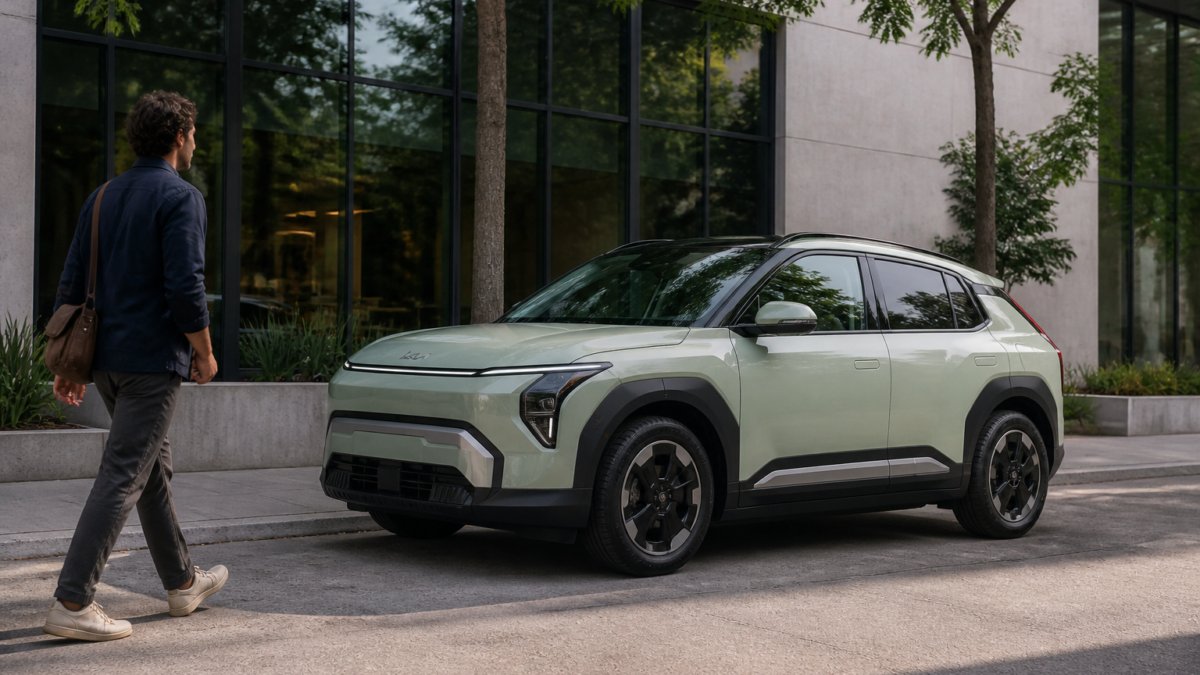
Supporting Image for “How to Find the Best Deals on Used Cars: A Practical Buying Guide”.
It is also wise to keep an emergency reserve for expenses that may arise shortly after purchase. Even a well-maintained used vehicle can need tires, brakes, a battery, fluid service, or other age-related maintenance. Spending your entire available budget on the purchase can leave you without enough money to keep the car safe and reliable.
Compare ownership costs, not just purchase prices
Two vehicles with similar prices can have very different long-term costs. Research insurance premiums, fuel economy, tire sizes, maintenance schedules, and the typical cost of replacement parts for the models you are considering. A slightly more expensive car may be the better deal if it has a stronger maintenance record and lower expected running costs.
Research the vehicle before contacting a seller
Once you have identified a make, model, and approximate model year, compare several listings rather than focusing on a single car. Look at vehicles with similar mileage, trim levels, equipment, condition, and location. This gives you a more useful basis for judging whether an asking price is competitive.
Pay attention to how long a listing has been active, whether the price has changed, and whether important details are missing. A listing with unusually low mileage or a much lower price than comparable vehicles deserves additional questions rather than an immediate commitment.
Use several price references
Online pricing tools can provide estimates based on factors such as mileage, condition, location, and optional equipment. These estimates are not guarantees of a car’s value, but they can help you identify a reasonable price range. Compare the asking price with similar vehicles currently for sale and consider whether the car has desirable maintenance records, newer tires, recent service, or equipment that affects value.
Do not compare vehicles solely by year. Mileage, accident history, service documentation, ownership history, drivetrain, condition, and local demand may have a greater effect on value than a small difference in model year.
Review the vehicle-history report
A vehicle-history report can reveal information that is not obvious from photos or a short conversation with a seller. Depending on the available records, it may show reported accidents, title brands, odometer readings, registration history, theft records, and service events.
Look carefully for records involving salvage, rebuilt, flood, fire, or other title designations. A branded title can affect insurance, resale value, financing, and the vehicle’s future marketability. A clean report is useful, but it is not proof that a vehicle has never been damaged. Not every incident is reported, and a history report cannot replace a professional inspection.
Check the ownership and mileage timeline
Review the sequence of reported mileage and registration events for inconsistencies. A sudden gap in the records, an unexplained mileage change, or a vehicle that moved through multiple states may justify further questions. Ask the seller for maintenance receipts, inspection records, and any documentation that helps explain the car’s history.
Check for open safety recalls
Before buying, check whether the specific vehicle identification number, or VIN, has any unresolved safety recalls. Recalls can involve important components such as airbags, seat belts, steering systems, fuel systems, brakes, or electrical parts. Recall repairs are typically handled through the manufacturer’s authorized service network, but buyers should confirm how an open recall will be addressed.
Do not assume that a vehicle’s model year alone tells you whether it is affected. Recall status can vary by VIN, production date, configuration, and repair history. Ask the seller for documentation showing whether recall work has been completed, and verify the information through an appropriate official source or authorized dealer.
Arrange an independent inspection
An independent pre-purchase inspection is one of the most valuable steps in used-car shopping. A mechanic who is not connected to the seller can evaluate the vehicle more objectively and may identify problems that are expensive or unsafe.
Ask the inspector to examine the engine, transmission, cooling system, suspension, steering, brakes, tires, exhaust, battery, electrical equipment, underbody, and signs of collision or water damage. The mechanic may also identify fluid leaks, uneven tire wear, warning lights, worn belts, corrosion, or evidence of incomplete repairs.
Arrange the inspection before signing a final purchase agreement whenever possible. If a seller refuses to allow an independent inspection or will not permit reasonable access to the vehicle, consider that a warning sign. A seller who says the car has already been inspected may still be asked to provide documentation, but you should not have to rely entirely on the seller’s preferred evaluation.
Take a thorough test drive
A test drive should be long enough to evaluate the car in different conditions. If permitted, drive on local streets, at higher speeds, over uneven pavement, and in stop-and-go traffic. Make sure the engine starts easily when cold if possible, and listen for unusual noises during acceleration, braking, turning, and shifting.
What to evaluate during the drive
- Whether the vehicle tracks straight without constant steering correction
- Brake response, vibration, pulling, or unusual sounds
- Transmission performance, including hesitation, slipping, or harsh shifts
- Engine response, warning lights, smoke, or unusual odors
- Suspension noises over bumps and uneven surfaces
- Operation of the air conditioner, heater, windows, locks, lights, cameras, and other equipment
- Comfort, visibility, seating position, cargo space, and ease of access
After the drive, look under the vehicle for fresh leaks and check whether any warning lights remain illuminated. A test drive cannot identify every mechanical problem, which is why it should be combined with a history review and inspection.
Compare dealerships and private sellers
Dealerships and private sellers offer different advantages and risks. A dealership may provide financing options, trade-in services, administrative support, and additional purchase protections depending on the transaction and applicable rules. However, dealers may also add documentation, processing, preparation, or other charges to the advertised price.
Private sellers may offer a lower asking price and more direct negotiation. On the other hand, they may provide fewer services, limited payment options, and less assistance with paperwork or future problems. Confirm how the title will be transferred, whether there is an outstanding loan, what identification is required, and which forms must be completed in your state.
Ask for an itemized out-the-door price
Before visiting a dealership, ask for a written breakdown of the total amount due. The quote should distinguish the vehicle price from taxes, registration, title charges, dealer fees, optional products, and any other costs. Ask which items are required and which are optional. Review the documents carefully before signing, and do not assume that a verbal promise will appear in the final paperwork.
Compare financing before you shop
Arranging financing before visiting a dealership can help you understand the loan amount and interest rate you may qualify for. Compare offers from banks, credit unions, and other reputable lenders, then use the information as a reference when reviewing dealer financing.
Focus on the annual percentage rate, loan term, total interest, required down payment, and total amount repaid. A longer loan term can reduce the monthly payment while increasing the total cost of borrowing and extending the period in which you may owe more than the car is worth.
Keep the vehicle price and financing separate during negotiations. A lower monthly payment does not necessarily mean you received a lower price; it may result from a longer term, a larger down payment, or additional products included in the loan.
Negotiate using evidence
Effective negotiation is easier when it is based on specific information. Use comparable listings, the inspection report, documented maintenance needs, tire condition, mileage, and unresolved issues to support your offer. Avoid making a low offer without explaining the reasoning, since a clear comparison is more persuasive than an arbitrary number.
Ask whether the seller can address identified problems or adjust the price. If the vehicle needs tires, brakes, scheduled service, or cosmetic repairs, estimate those costs before deciding what you are willing to pay. Remember that the best deal is not always the smallest price; it is the combination of a fair purchase amount, acceptable condition, transparent paperwork, and manageable ownership costs.
Be prepared to walk away
Do not allow pressure, limited-time claims, or emotional attachment to replace careful review. If the seller will not provide the VIN, refuses an inspection, hides fees, cannot explain the title, or rushes you to sign, look at other vehicles. Used-car shoppers usually have alternatives, and patience can help prevent an expensive mistake.
Complete the paperwork carefully
Before completing the purchase, verify that the VIN on the vehicle matches the VIN on the title, registration documents, history report, and sales contract. Confirm the mileage, purchase price, fees, warranties, financing terms, and any promises about repairs or included equipment.
Make sure you understand whether the vehicle is being sold with any warranty, service contract, or as-is condition. Requirements and consumer protections can vary by state and by transaction, so buyers should review their state motor-vehicle agency guidance or consult a qualified professional when they have questions about title, registration, taxes, or legal rights.
A simple checklist for finding the best used-car deal
- Set a total budget, including taxes, fees, insurance, maintenance, and repairs.
- Choose several models that fit your needs and compare similar listings.
- Review the VIN and obtain a vehicle-history report.
- Check for open safety recalls and confirm completed recall repairs.
- Inspect the car in daylight and arrange an independent mechanical inspection.
- Take a complete test drive and operate all major features.
- Request an itemized out-the-door price from a dealer or confirm private-sale paperwork.
- Compare financing offers by APR and total repayment amount.
- Negotiate based on documented condition, market comparisons, and expected repairs.
- Review every document before signing and verify the VIN and title information.
Final thoughts
The best deals on used cars come from informed comparisons rather than rushed decisions. A low sticker price is only attractive when the vehicle’s history is acceptable, its condition has been checked, and the full cost of ownership fits your budget.
Research several vehicles, verify the history, check recalls, pay for an independent inspection, compare the total price, and keep financing separate from the negotiation over the car itself. If a seller will not provide basic information or allow reasonable due diligence, move on to another listing. A careful process may take more time, but it can improve your chances of buying a dependable vehicle at a fair overall cost.








Leave a Reply