

Car insurance can help protect your finances after a crash, theft, weather event, or claim from another person. It may also be required before you can legally drive, register a vehicle, or satisfy a lender’s requirements. However, the right policy is not necessarily the cheapest quote or the plan with the most features.
Coverage requirements, available options, deductibles, exclusions, and discounts vary by state, insurer, driver, and vehicle. The phrase “full coverage” is also not a standardized insurance product. It usually refers to a combination of liability, collision, and comprehensive coverage, but the exact protection depends on the policy terms.
This guide explains common types of car insurance coverage, how to compare quotes, and questions to ask before purchasing or renewing a policy. It is general educational information, not a recommendation for a particular insurer or a substitute for your state’s insurance rules or policy documents.

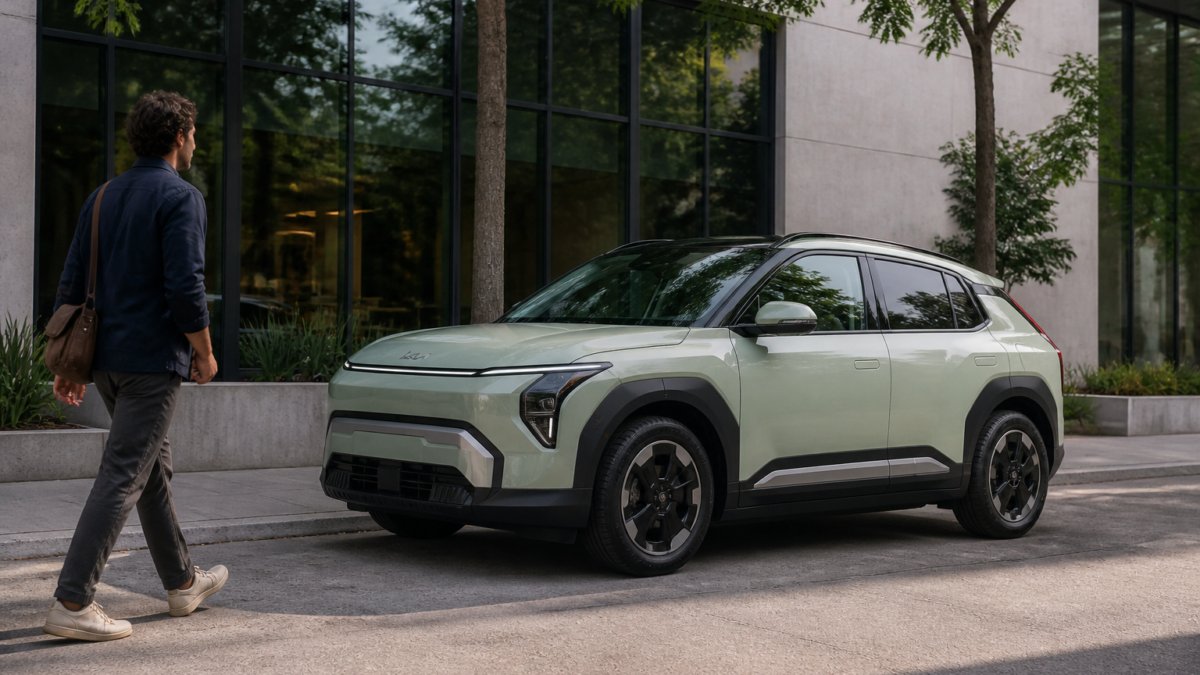
Supporting Image for “Car Insurance Coverage: Types, Limits, and How to Compare Policies”.
Why car insurance coverage matters
A serious accident can involve more than the cost of repairing a vehicle. Medical bills, lost income, legal expenses, damage to property, towing, and temporary transportation may all become relevant. Liability insurance is designed primarily to protect you when you are legally responsible for injuries or property damage suffered by others. Other coverages may help protect your vehicle, you, and your passengers.
Every state sets its own insurance requirements. Many states require at least liability coverage, while some use different systems or offer alternatives subject to specific rules. Before choosing limits, check your state insurance department’s requirements and confirm what your insurer will provide in writing. The National Association of Insurance Commissioners offers general consumer guidance, but it notes that policy rules remain state- and contract-specific.
Common types of car insurance coverage
Liability insurance
Liability coverage generally applies when you are responsible for an accident that injures another person or damages someone else’s property. It commonly has two parts:
- Bodily injury liability: May help pay eligible medical expenses, lost wages, legal defense costs, or other damages claimed by people injured in an accident for which you are legally responsible.
- Property damage liability: May help pay to repair or replace another person’s vehicle or property that you damage.
State minimum limits are not necessarily enough to protect your assets in a serious accident. A policy limit is the maximum amount the insurer generally pays for a covered loss under that part of the policy. Higher limits may provide more financial protection, although they can increase the premium.
Collision coverage
Collision coverage may pay for damage to your own vehicle caused by a collision with another vehicle or object, subject to your deductible and policy terms. It may apply whether or not another driver is at fault, but it does not cover every type of loss.
Collision coverage is often required by a lender or leasing company while you have a financed or leased vehicle. If you own the vehicle outright, consider its current value, repair costs, and your ability to replace it before deciding whether the coverage is worthwhile.
Comprehensive coverage
Comprehensive coverage generally applies to certain non-collision losses, such as theft, vandalism, falling objects, fire, hail, flooding, or contact with an animal. It usually has its own deductible, which may be different from the collision deductible.
Comprehensive insurance does not automatically cover maintenance, mechanical breakdowns, or every item stolen from a vehicle. Personal belongings may instead fall under a homeowners or renters policy, depending on the circumstances and policy language.
Uninsured and underinsured motorist coverage
Uninsured motorist coverage may help when an at-fault driver has no insurance. Underinsured motorist coverage may apply when the other driver has insurance but not enough to cover the damages. These coverages can also address certain hit-and-run situations, depending on state law and the policy.
Availability, required limits, deductibles, and the types of losses covered vary significantly. Ask whether the coverage applies to bodily injury, vehicle damage, or both, and whether it protects passengers in your vehicle.
Personal injury protection and medical payments coverage
Personal injury protection, commonly called PIP, may help pay medical expenses and, in some states, certain lost wages or replacement services after a covered accident. PIP rules and availability differ by state, especially in states with no-fault insurance systems.
Medical payments coverage may help pay accident-related medical expenses for you or your passengers, regardless of fault, up to the policy limit. It may overlap with health insurance, but the coordination of benefits depends on the policies and applicable state rules.
Roadside assistance and towing
Roadside assistance may cover services such as towing, jump-starts, lockout assistance, flat-tire help, or limited fuel delivery. It is usually an optional feature or endorsement rather than a standard part of liability insurance.
Review service limits carefully. A plan may restrict the number of calls, towing distance, locations, vehicle types, or reimbursement amount. Compare it with roadside benefits already included with a vehicle manufacturer, roadside club, credit card, or lender.
Rental reimbursement coverage
Rental reimbursement may help pay for a temporary replacement vehicle while your car is being repaired after a covered claim. It generally does not apply to every breakdown or routine maintenance problem. Daily limits, maximum days, eligible repairs, and the claims process vary by policy.
Ask whether you select the rental vehicle yourself, whether the insurer works with specific rental companies, and what happens if the repair takes longer than the coverage limit.
GAP coverage
GAP, or Guaranteed Asset Protection, is designed for situations in which a vehicle is stolen or declared a total loss while the loan or lease balance exceeds the vehicle’s insurance value. Standard collision or comprehensive coverage generally pays according to the vehicle’s actual cash value or another method described in the policy, not necessarily the remaining loan balance.
GAP is optional in many financing arrangements and may be offered by a dealer, lender, or insurance company. Eligibility restrictions and exclusions can apply. Compare the total cost, cancellation terms, covered fees, and maximum benefit before purchasing. The Consumer Financial Protection Bureau advises consumers to check whether an add-on is truly optional and to compare available providers.
How insurers determine premiums
Insurance companies typically consider several factors when calculating a premium. These may include the driver’s record, age, location, annual mileage, claims history, vehicle model, repair costs, coverage limits, deductibles, credit-based insurance information where permitted, and the insurer’s underwriting guidelines.
Two drivers with similar vehicles may receive different quotes because they have different addresses, driving histories, coverage choices, or insurer risk profiles. A lower premium may also reflect lower limits, higher deductibles, fewer optional benefits, or exclusions that deserve attention.
Ask each insurer for quotes based on the same information. Comparing a low-limit liability policy with a higher-limit policy that includes collision and comprehensive coverage does not provide a meaningful price comparison.
How to compare car insurance policies
1. Start with your state’s requirements
Find out which coverages and minimum limits apply where the vehicle is registered. Do not assume the rules are identical if you move, split time between states, or regularly drive in another state.
2. Decide how much financial risk you can handle
Consider the value of your vehicle, your savings, household assets, income, and the potential effect of a large claim. Higher liability limits may reduce the risk of paying out of pocket after a severe accident. A higher deductible may lower the premium but requires more money available after a covered loss.
3. Compare limits, deductibles, and exclusions
Look beyond the monthly payment. Compare bodily injury and property damage limits, collision and comprehensive deductibles, uninsured motorist options, rental reimbursement limits, roadside terms, and exclusions. Ask whether original-equipment parts, aftermarket parts, diminished value, custom equipment, or rideshare use are treated differently.
4. Check discounts without assuming eligibility
Insurers may offer discounts for multiple vehicles, bundled policies, defensive-driving courses, qualifying student performance, certain safety features, low mileage, or telematics programs. Availability and eligibility vary, and a discount does not guarantee that the final price will be lower than another insurer’s quote.
5. Review the insurer before buying
Verify that the company is authorized to sell insurance in your state. Your state insurance department may provide complaint information, licensing resources, consumer publications, or premium comparison tools. You can also review the insurer’s claims and customer-service procedures, but online reviews should be treated as one limited source rather than conclusive evidence.
Questions to ask before selecting a policy
- What coverage is required in my state, and what limits are you quoting?
- What are the deductibles for collision and comprehensive claims?
- Does the policy cover every household driver and regular vehicle user?
- Are rental reimbursement, roadside assistance, PIP, or uninsured motorist coverage included or optional?
- Are there exclusions for business use, delivery work, rideshare driving, or modifications?
- How will the vehicle’s value be determined after a total loss?
- What documents and deadlines apply when reporting a claim?
- Will a lender or leasing company receive proof of coverage?
What to do after an accident
Safety comes first. Move away from traffic if it is safe, contact emergency services when needed, exchange information, and document the scene with photographs or notes. Avoid admitting fault or promising payment before the facts are reviewed. Notify your insurer promptly according to the policy instructions and keep records of estimates, medical care, towing, rental expenses, and communications.
Coverage decisions depend on the facts, policy language, exclusions, limits, deductibles, and applicable law. An online claim form may be convenient, but you should still read the insurer’s instructions and ask questions if you do not understand a decision.
Bottom line
The best car insurance coverage is the combination that meets your legal obligations and fits your financial situation. Instead of relying on phrases such as “maximum protection,” “guaranteed savings,” or “fast approval,” compare actual limits, deductibles, exclusions, insurer licensing, and service terms.
Before purchasing, obtain quotes from more than one authorized insurer or licensed agent, provide consistent information, and read the declarations page and policy documents. Coverage is effective only according to the terms of the policy, and a quote is not the same as a promise that every claim will be paid.
Consumer resources
For general guidance, consult the National Association of Insurance Commissioners’ auto insurance resources and your state insurance department. For information about optional GAP products connected with auto financing, review the Consumer Financial Protection Bureau’s GAP insurance guidance.
Last reviewed: August 12, 2026. Insurance requirements and policy features can change. Confirm current information with your state insurance department and the insurer before making a decision.








Leave a Reply