

How to Choose the Best New SUV in the USA
Sport utility vehicles remain popular with American drivers because they combine a higher seating position, practical cargo space, and a wide range of available powertrains. However, “SUV” now describes everything from small urban crossovers to large three-row family vehicles and high-performance luxury models. The best new SUV for one household may be a poor fit for another.
Before choosing a vehicle, consider how many people you regularly carry, whether you tow, how much cargo space you need, where you park, and how far you drive each week. Fuel type also matters. Gasoline, hybrid, plug-in hybrid, and battery-electric SUVs each have different advantages, limitations, and ownership requirements.
What to Decide Before Shopping for a New SUV
A successful SUV purchase starts with practical requirements rather than a long list of features. Write down your typical passenger count, daily commute, road-trip habits, winter-driving needs, and estimated annual mileage. This makes it easier to separate useful equipment from expensive extras.

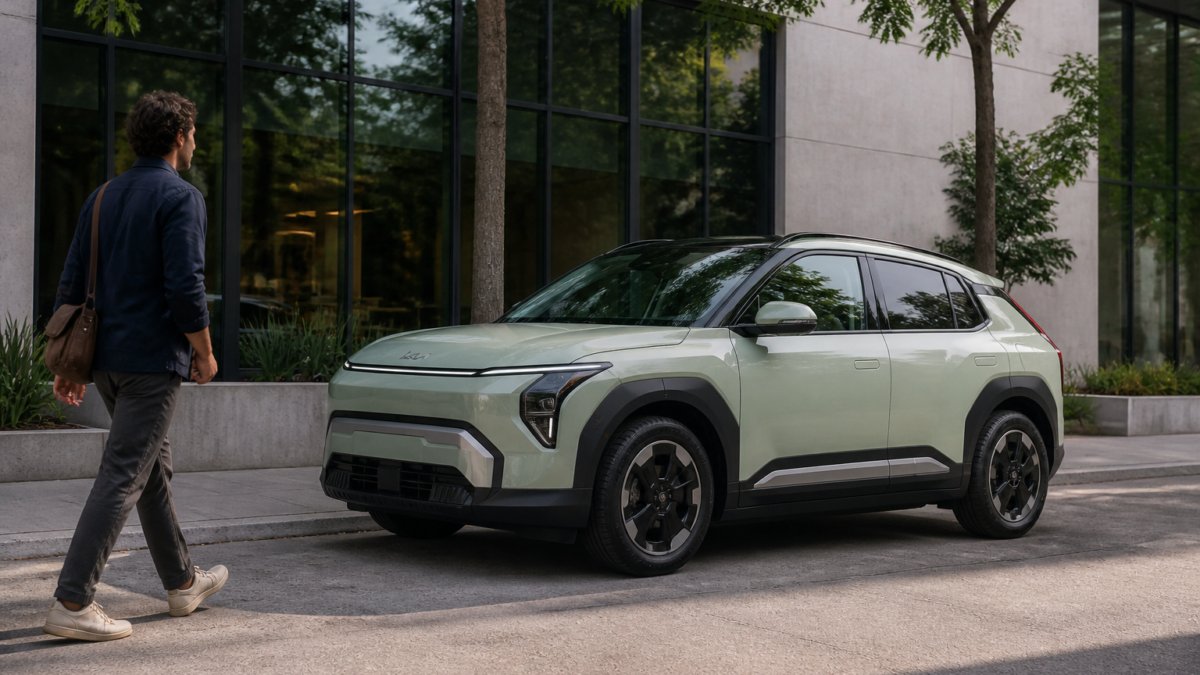
Supporting Image for “How to Choose the Best New SUV in the USA: Gas, Hybrid, Electric, and Luxury Options”.
- Size: Subcompact and compact SUVs are easier to park and generally use less fuel than midsize and full-size models.
- Passenger capacity: A two-row SUV may be enough for a small household, while a three-row model is more suitable for larger families.
- Cargo requirements: Check the space behind the second and third rows, not just the maximum cargo measurement with seats folded.
- Drivetrain: All-wheel drive can improve traction in some conditions, but it may add cost, weight, and maintenance considerations. It does not replace winter tires or careful driving.
- Towing: If you plan to tow, compare the vehicle’s properly equipped tow rating, hitch requirements, payload capacity, and the weight of passengers and cargo.
- Budget: Consider the total purchase price, financing, insurance, registration, fuel or charging, maintenance, tires, and expected resale value.
Notable New SUV Categories and Examples
Small and compact SUVs for everyday driving
Small and compact SUVs are often the most practical choice for commuters, couples, and small families. They usually offer a useful balance of interior room, fuel economy, maneuverability, and purchase cost. Popular examples in the U.S. market include the Honda CR-V, Toyota RAV4, Mazda CX-5, Hyundai Tucson, Kia Sportage, Subaru Forester, and Volkswagen Tiguan.
The Honda CR-V and Toyota RAV4 are commonly considered versatile choices for daily transportation, with available electrified powertrains depending on model year and trim. The Mazda CX-5 is aimed at buyers who place a higher priority on driving feel and interior presentation. The Subaru Forester appeals to shoppers who value standard all-wheel drive, outdoor usability, and a clear view from the driver’s seat.
Compact SUVs are not automatically inexpensive to own. Higher trims can approach the price of a larger vehicle, and options such as all-wheel drive, premium audio, panoramic roofs, and advanced driver-assistance packages can substantially increase the final transaction amount.
Midsize and three-row SUVs for families
Midsize SUVs offer more passenger room and cargo flexibility than compact models. Some have two rows with generous space, while others include a third row for occasional or regular use. Examples include the Honda Pilot, Toyota Grand Highlander, Hyundai Santa Fe, Kia Sorento, Kia Telluride, Hyundai Palisade, Subaru Ascent, Ford Explorer, and Chevrolet Traverse.
When comparing three-row SUVs, sit in every row rather than judging the vehicle from the driver’s seat. Third-row legroom varies significantly, and some vehicles are better suited to children than adults. Also check whether there is enough cargo space behind the third row for groceries, sports equipment, or luggage.
A larger SUV can provide useful towing and storage capability, but it may cost more to fuel and insure. Its larger tires can also be more expensive to replace. If you rarely use the third row or tow heavy equipment, a well-designed two-row SUV may provide better value.
Off-road-oriented SUVs
Some SUVs are designed primarily for paved roads, while others include equipment intended for trails, rough terrain, or severe weather. Models such as the Jeep Wrangler, Ford Bronco, Toyota 4Runner, Subaru Outback, and Jeep Grand Cherokee can appeal to outdoor-oriented buyers, although their capabilities differ.
Look beyond marketing language and compare ground clearance, approach and departure angles, four-wheel-drive hardware, available low-range gearing, tire type, skid plates, and the vehicle’s payload and towing limits. Off-road equipment can improve capability, but it can also reduce fuel economy, increase road noise, and raise the purchase price.
Buyers who mainly drive on highways may prefer an SUV with comfortable suspension tuning, quiet tires, and strong safety technology rather than specialized trail hardware.
Luxury SUVs
Luxury SUVs compete through cabin materials, ride comfort, technology, design, power, and customer service. Examples include the Lexus RX, Acura MDX, BMW X5, Mercedes-Benz GLE, Audi Q7, Genesis GV80, Cadillac XT6, and Range Rover Sport.
A premium badge does not guarantee that every feature will be standard. Compare the equipment included at the trim level you can afford, including heated seats, navigation, parking cameras, adaptive cruise control, and blind-spot monitoring. Review warranty coverage and maintenance plans as well, because luxury models may have higher repair and service costs after the basic warranty expires.
Luxury SUVs can deliver a quieter and more refined experience, but they are not always the most economical choice for basic transportation. A mainstream SUV in a mid-level trim may offer similar practical equipment at a lower ownership cost.
Gasoline, Hybrid, Plug-In Hybrid, or Electric?
Gasoline SUVs
Gasoline SUVs remain widely available and are often the simplest option for drivers who travel long distances or live where public charging is limited. Refueling is quick, and nearly every U.S. community has access to gasoline stations and repair shops familiar with conventional powertrains.
The trade-offs include direct tailpipe emissions, exposure to changing gasoline prices, and potentially higher fuel costs than a comparable hybrid or electric vehicle. Fuel economy also depends on vehicle size, drivetrain, traffic, weather, tire pressure, towing, and driving style.
Hybrid SUVs
Hybrid SUVs combine an internal-combustion engine with one or more electric motors. Unlike a plug-in hybrid, a conventional hybrid generally recharges its battery through regenerative braking and the engine rather than requiring routine external charging.
Hybrids can be a strong middle-ground choice for drivers who want improved city fuel efficiency without changing their refueling habits. The Toyota RAV4 Hybrid, Honda CR-V Hybrid, Ford Maverick Hybrid, Toyota Highlander Hybrid, and Lexus RX Hybrid are examples of vehicles that have helped make hybrid utility vehicles more mainstream. Availability, equipment, and powertrain details vary by model year and trim.
Plug-in hybrid SUVs
A plug-in hybrid SUV can be charged from an external power source and may drive a portion of a trip on electricity before switching to gasoline. This format can work well for drivers with short daily commutes who can charge at home but still want the flexibility of a gasoline engine for longer journeys.
The 2026 Toyota RAV4 Plug-in Hybrid is one example of this category. Toyota states that the model has a manufacturer-estimated all-electric driving range rating of 52 miles for specified versions. Range and efficiency can differ by trim, temperature, driving conditions, and equipment, so shoppers should confirm the current EPA information and window sticker for the exact vehicle.
Electric SUVs
Battery-electric SUVs use electricity rather than gasoline to power the vehicle. Examples available to U.S. shoppers include the Tesla Model Y, Ford Mustang Mach-E, Hyundai Ioniq 5, Kia EV6, Kia EV9, Rivian R1S, Chevrolet Equinox EV, Cadillac Lyriq, and several other models.
All-electric vehicles have zero tailpipe emissions while operating, but that does not mean they create no emissions throughout their entire life cycle. Electricity generation, battery and vehicle manufacturing, material extraction, and end-of-life processes can contribute to overall environmental impact. The U.S. Department of Energy explains that life-cycle comparisons must account for both vehicle production and the energy used to operate the vehicle. ([afdc.energy.gov](https://afdc.energy.gov/vehicles/electric-emissions?utm_source=openai))
Electric SUVs may offer quiet operation, strong low-speed acceleration, and potentially lower routine energy costs. Their disadvantages can include higher initial prices for some models, charging time, limited towing range in certain configurations, and reduced driving range in very cold weather. Before buying, confirm whether your home can support the required charging equipment and whether public chargers are convenient along your regular routes.
How to Compare the True Cost of a New SUV
Do not compare SUVs only by monthly payment. A low payment may result from a long loan term, a large down payment, or a promotional financing offer with eligibility requirements. Ask for the vehicle’s out-the-door price, which should account for the negotiated vehicle price, destination charge, taxes, registration, dealer fees, and optional products.
Also estimate recurring ownership costs. Insurance may be higher for a more expensive or powerful vehicle. Large wheels and performance tires can cost more to replace. A vehicle with all-wheel drive may have additional components and may consume more fuel than a similar front-wheel-drive version. EV ownership can reduce gasoline spending, but charging costs vary by utility rate, location, charging speed, and how often you use paid public charging.
- Request insurance quotes before purchasing.
- Compare EPA fuel-economy or efficiency ratings for the exact powertrain.
- Check maintenance schedules and warranty terms.
- Review the cost of tires, brakes, and replacement keys or accessories.
- Ask whether advertised incentives apply to your location, trim, financing method, and eligibility.
- Use a total-cost estimate over several years instead of relying only on the monthly payment.
Safety and Technology Features Worth Comparing
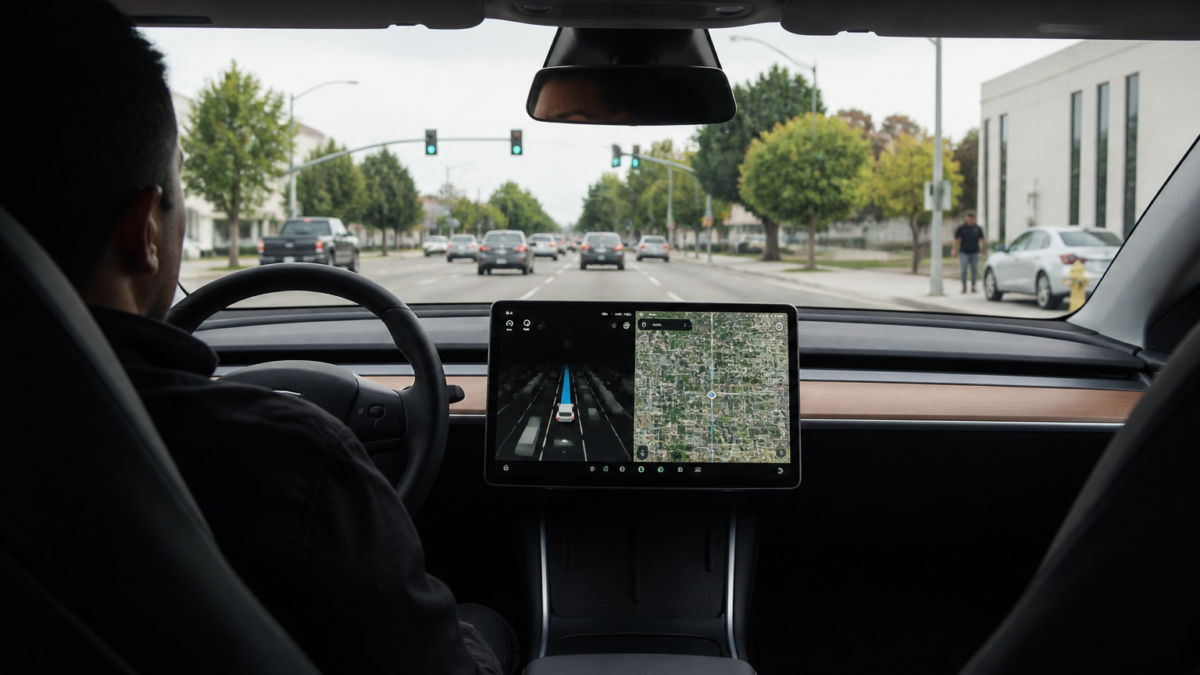
Modern SUVs may include automatic emergency braking, forward-collision warnings, lane-keeping assistance, blind-spot monitoring, adaptive cruise control, rear cross-traffic alert, and surround-view cameras. These systems can assist the driver, but they do not make the vehicle self-driving. Read the owner’s manual and test the systems during a supervised drive to understand their alerts and limitations.
Families should check rear-seat access, child-seat installation points, door openings, visibility, and the placement of airbags. Buyers should also review independent crash-test information and confirm that the vehicle includes the safety equipment they expect at the specific trim level.
A Practical Test-Drive Checklist
Test-drive more than one SUV before deciding. Drive on local streets and highways if possible. Pay attention to seat comfort, outward visibility, steering effort, braking feel, road noise, suspension movement, and the ease of adjusting climate and audio controls.
Bring the items you use regularly, such as a child seat, folding stroller, sports equipment, or large grocery bags. Test the liftgate, second-row folding mechanism, cargo cover, cupholders, and USB ports. If you are considering an EV, test the charging location at home or speak with an electrician before assuming installation will be straightforward.
Final Takeaway
The best new SUV is the one that matches your real transportation needs without creating an uncomfortable ownership burden. Compact hybrids can be efficient and versatile, three-row SUVs can provide family flexibility, off-road models can serve outdoor lifestyles, luxury SUVs can prioritize comfort, and electric vehicles can reduce tailpipe pollution while offering a different ownership experience.
Compare the exact trim, powertrain, warranty, safety equipment, financing terms, and total ownership costs. Manufacturer claims, incentives, availability, and specifications can change, so verify current details with the automaker, an official window sticker, the EPA’s fuel-economy resources, and your local dealer before signing a purchase agreement.









Leave a Reply