

How to Buy or Sell a Car in the U.S.: A Practical Step-by-Step Guide
Buying or selling a car is a major financial decision. The right process can help you find a dependable vehicle, receive a fair price, and avoid problems involving hidden damage, outstanding loans, incomplete paperwork, or unsafe payment arrangements. The best approach is not simply to search for the lowest price or accept the first offer. It is to gather information, verify important details, and make decisions based on your budget and transportation needs.
This guide explains how to buy or sell a car in the United States, including private-party transactions and purchases from dealerships. State requirements differ, so always confirm title, tax, registration, emissions, inspection, and notice requirements with your state’s department of motor vehicles or equivalent agency.
Before You Start: Set a Realistic Budget
Your car budget should include more than the advertised purchase price. Buyers may also need to pay sales or use tax, title and registration fees, documentation charges, insurance, financing costs, maintenance, fuel or charging expenses, and repairs. A vehicle that appears affordable can become expensive if it needs tires, brakes, a battery, or other immediate work.

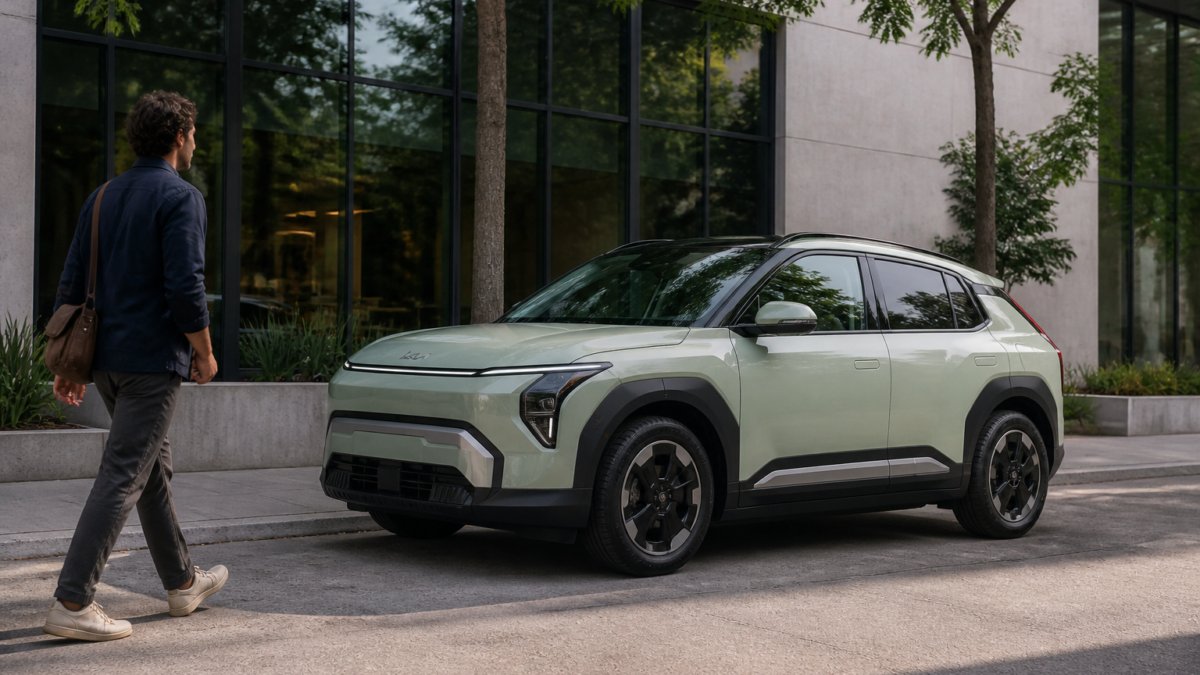
Supporting Image for “How to Buy or Sell a Car in the U.S.: A Practical Step-by-Step Guide”.
If you are financing, compare the total cost of the loan rather than focusing only on the monthly payment. A longer loan term may reduce the payment but increase the amount of interest paid and may leave you owing more than the vehicle is worth. Ask for the annual percentage rate, loan term, amount financed, total finance charge, and total payment amount before signing.
Sellers should also calculate the amount they need from the transaction. If a loan remains on the vehicle, contact the lender to request the current payoff amount and learn how the title will be released. Do not assume that a buyer can safely take possession while the loan remains unresolved.
How to Buy a Car
1. Define Your Needs
Start by identifying how you will use the vehicle. Consider passenger space, cargo capacity, driving distance, winter conditions, towing needs, fuel economy, parking limitations, and expected ownership length. A small sedan may be practical for commuting, while a larger vehicle may be necessary for family use or frequent hauling.
Electric vehicles can be a good fit for some drivers, but they are not automatically the best financial choice for everyone. Before choosing an EV, evaluate access to home or workplace charging, the availability of public chargers, driving range, local electricity and fuel costs, insurance, purchase price, incentives that may apply, and whether the vehicle meets your travel requirements. A hybrid, plug-in hybrid, gasoline vehicle, or EV may each be suitable in different circumstances.
2. Research the Vehicle and Its Market Price
Compare several listings for the same or similar model. Pay attention to model year, trim level, mileage, condition, accident history, number of owners, location, included equipment, and whether the seller is a dealer or private owner. Online valuation tools can provide estimates, but they are not substitutes for comparing current listings and inspecting the specific vehicle.
Use the vehicle identification number, commonly called the VIN, to check available history information. A vehicle history report may show reported accidents, title brands, odometer records, prior sales, theft records, service entries, or use as a rental, fleet, taxi, or ride-hailing vehicle. These reports can contain incomplete information, so a clean report does not guarantee that a car has never been damaged.
3. Check the Title and Ownership Status
Ask to see the title before completing the transaction. Confirm that the seller’s name matches the person or business selling the vehicle and that the VIN on the title matches the VIN on the dashboard and door-jamb label. Look for title brands such as salvage, rebuilt, flood, fire, lemon law, or odometer-related designations. Rules and terminology vary by state.
If the title shows a lien, ask how the lender will be paid and how you will receive valid ownership documents. Be cautious if a seller says the title is lost, will arrive later, or is held by someone else. Contact your state motor vehicle agency before paying if you are unsure whether the paperwork will allow you to register the car.
4. Inspect and Test-Drive the Vehicle
Whenever possible, arrange an independent pre-purchase inspection with a qualified mechanic. The inspection should be performed by someone who works for you, not only by the seller’s preferred repair shop. The cost of an inspection may be small compared with the expense of discovering major mechanical or structural problems after purchase.
During a visual inspection, look for mismatched paint, uneven body gaps, rust, water stains, cracked glass, worn tires, warning lights, damaged seat belts, fluid leaks, and signs that airbags or interior panels have been replaced. Check that the VIN labels appear consistent and have not been altered.
On the test drive, start the vehicle from cold if possible. Pay attention to unusual noises, vibrations, exhaust smoke, steering response, braking performance, transmission shifts, suspension movement, climate controls, lights, windows, locks, cameras, sensors, and infotainment features. Test the vehicle on city streets and, when safe and legal, at highway speed. Confirm that the odometer and dashboard warning lights operate normally.
For an EV or hybrid, ask about battery condition, remaining warranty coverage, charging equipment, charging speed, and any known limitations. A mechanic or qualified technician may be able to perform additional diagnostic checks. Avoid making a purchase decision based only on the vehicle’s claimed range or a short test drive.
5. Verify Insurance, Taxes and Registration Requirements
Contact your insurance company before buying so you understand the expected premium. Coverage can vary substantially by driver, location, vehicle type, age, safety equipment, repair costs, and claims history. A lender may require comprehensive and collision coverage until the loan is paid off.
Ask your state agency or dealership about sales tax, title fees, registration charges, temporary permits, emissions testing, safety inspections, and deadlines for transferring ownership. Requirements may differ depending on whether you buy from a dealer, buy from a private seller, move the vehicle between states, or purchase a vehicle with a branded title.
How to Sell a Car
1. Gather the Documents
Collect the vehicle title, maintenance records, owner’s manuals, registration information, warranty documents, repair receipts, and lien payoff details. Review the title for errors before advertising the car. If the title is missing or damaged, contact the appropriate state agency to learn how to request a replacement.
Do not sign the title until you have a serious buyer and are completing the sale according to your state’s instructions. Some states require additional forms, an odometer disclosure, a bill of sale, a release-of-liability notice, or removal of license plates. Make copies or take clear photos of signed documents for your records.
2. Prepare the Vehicle Honestly
Clean the interior and exterior, remove personal items, organize service records, and replace inexpensive missing items when practical. Fixing a serious safety problem may make the vehicle easier to sell, but avoid spending heavily on cosmetic upgrades that may not increase the final price.
Be accurate about the condition. Disclose known mechanical problems, warning lights, accident repairs, flood exposure, title brands, modified equipment, and any issue that could affect safety or value. Honest descriptions reduce disputes and help attract buyers who are prepared for the vehicle’s actual condition.
3. Set a Defensible Asking Price
Research comparable vehicles using the same model year, trim, mileage range, condition, and geographic area. A private-party price is not always the same as a dealer retail price or trade-in estimate. Adjust your expectations for tire condition, maintenance needs, cosmetic damage, number of keys, service history, title status, and demand for that vehicle.
Set an asking price that leaves reasonable room for negotiation without being so high that serious buyers ignore the listing. Keep records of how you selected the price. If the vehicle receives little interest after a reasonable period, review the photos, description, price, and availability rather than assuming every potential buyer is simply trying to negotiate unfairly.
4. Create a Complete Listing
Use clear photos taken in daylight and include exterior views, the interior, dashboard mileage, tires, engine compartment, cargo area, and any damage. List the VIN only when you are comfortable doing so and avoid displaying personal documents or information that could create a privacy risk.
Include the year, make, model, trim, mileage, title status, ownership history if known, maintenance performed, known problems, inspection information, included accessories, and whether the vehicle is being sold as-is. Do not promise a warranty or condition that you cannot document.
Negotiating the Price
Buyers should negotiate based on evidence rather than an arbitrary target. Use inspection findings, comparable listings, required repairs, title status, and documented maintenance to support an offer. If a seller refuses an independent inspection or will not provide basic ownership information, walking away may be safer than trying to negotiate a lower price.
Sellers should decide in advance which issues are negotiable and what minimum amount they will accept. Avoid arguing about the vehicle’s value based only on emotional attachment or the amount originally paid. A clear, factual response to a buyer’s questions is more useful than pressure or exaggerated claims.
Get the final price and included items in writing. Confirm whether the agreed amount includes taxes, dealer fees, accessories, delivery, or other charges. At a dealership, review the buyer’s order and financing documents carefully. Optional products, service contracts, protection plans, and other add-ons should be clearly explained and accepted only if they fit your needs.
Payment and Private-Party Safety
Meet in a public location during daylight, and consider using a bank or motor vehicle service office where the transaction can be verified. Bring another person, tell someone where you are going, and limit the personal information you share. A buyer should not test-drive a vehicle alone without showing a valid driver’s license and proof of insurance when appropriate.
Be cautious with unusual payment requests, overpayment schemes, gift cards, wire transfers to unknown accounts, counterfeit checks, and requests to send money before seeing the vehicle. A cashier’s check or electronic payment is not automatically risk-free. Confirm that funds have cleared through the financial institution before releasing the vehicle, keys, title, or signed documents.
For a financed vehicle, arrange the transaction with the lender when possible. Do not hand over the car based only on a promise that the buyer will continue making your loan payments. Until the loan is properly paid and transferred or released, you may remain responsible for the debt.
Final Buyer and Seller Checklists
Buyer checklist
- Set a total ownership budget, not just a purchase price.
- Compare similar vehicles and research the VIN.
- Confirm the title, VIN, mileage, and lien status.
- Arrange an independent inspection and complete a careful test drive.
- Obtain insurance before driving the vehicle away.
- Review financing terms and all fees.
- Complete the title, bill of sale, tax, and registration requirements.
- Keep copies of every signed document and payment record.
Seller checklist
- Confirm the title is available and accurate.
- Request a lender payoff amount if a lien exists.
- Clean the vehicle and gather maintenance records.
- Disclose known damage, defects, and title brands.
- Research comparable listings before setting the price.
- Use a detailed listing with clear photos.
- Verify payment before releasing the vehicle.
- Complete the required ownership transfer and release-of-liability steps.
Final Thoughts
To buy or sell a car successfully, treat the transaction as a research and verification process. Buyers should confirm the vehicle’s condition, ownership history, financing terms, and registration requirements. Sellers should provide accurate information, prepare the paperwork, price the vehicle realistically, and use a secure payment process.
The most important decision is not whether a car is popular or advertised as a great investment. It is whether the vehicle, price, condition, operating costs, and paperwork make sense for your situation. Taking time to check the details can help prevent expensive surprises and create a safer transaction for everyone involved.










Leave a Reply