
How to Find Affordable Cars at Auto Auctions: A Practical U.S. Buyer’s Guide
Auto auctions can be a useful way to search for an affordable vehicle in the United States, but they are not simply discount versions of a traditional dealership. Auction cars may come from government fleets, police departments, impound lots, banks, insurance companies, rental fleets, or private sellers. Each source has different rules, vehicle conditions, fees, and title risks.
The potential savings can be attractive, especially for buyers who understand vehicle history reports, auction terms, repair estimates, and registration requirements. However, a low winning bid does not always equal a low total cost. Buyer premiums, transportation, storage charges, taxes, title work, repairs, and insurance can substantially increase the final amount.
This guide explains how to look for affordable cars at auto auctions, how the major auction types differ, and what to check before bidding.
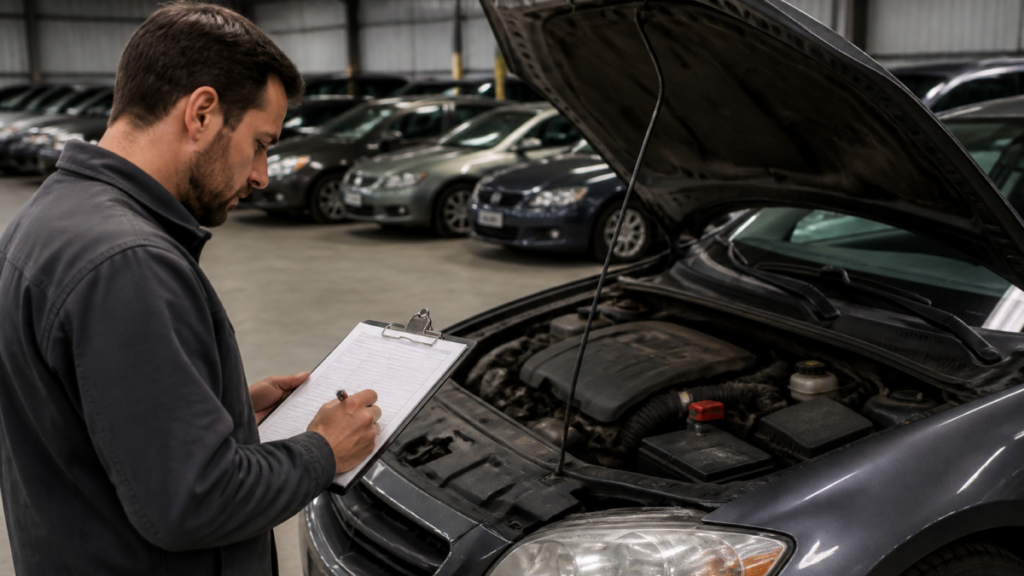
Supporting Image for “How to Find Affordable Cars at Auto Auctions: A Practical U.S. Buyer’s Guide”.
Where to Find Auction Cars in the U.S.
Not all auctions sell the same type of inventory. Before searching for a vehicle, identify the auction category that best fits your budget, mechanical knowledge, and tolerance for risk.
Government and municipal auctions
Federal, state, county, and city agencies periodically sell vehicles that are no longer needed. Typical inventory may include older fleet sedans, pickup trucks, vans, maintenance vehicles, and vehicles removed from service. Some government vehicles have been maintained according to fleet schedules, while others may show heavy use, high mileage, or cosmetic wear.
Government auction rules vary by agency. Some sales are open to the public, while others are conducted through contracted auction companies or online platforms. Read the listing carefully to determine whether the vehicle includes a clean title, an assigned title, or another title status.
Police and law-enforcement auctions
Police agencies and related departments may auction unclaimed, seized, or surplus vehicles. Inventory can range from ordinary commuter cars to motorcycles, trucks, and specialty vehicles. A vehicle’s presence at a police auction does not automatically indicate a mechanical problem, but the history may be incomplete or unusual.
Buyers should confirm whether the vehicle has a transferable title and whether any release documents are required. Seized vehicles can also involve additional paperwork, liens, or legal processing delays, depending on the agency and jurisdiction.
Impound and towing auctions
Impound lots sell vehicles that were towed and not reclaimed by their owners. These cars may have been abandoned, involved in parking or registration disputes, or left after an accident. Some may have been sitting outdoors for an extended period.
Impound vehicles can attract low opening bids, but they may also have dead batteries, flat tires, missing keys, vandalism, water intrusion, or unknown maintenance histories. Ask about inspection access and the deadline for removing a winning vehicle. Storage fees can begin quickly after the sale.
Online auto auctions
Online auctions make it easier to compare inventory across different states. Listings may include photographs, mileage information, vehicle-history details, condition reports, and seller disclosures. The quality of those details varies, so online buyers should treat photographs and descriptions as a starting point rather than a complete inspection.
Some online platforms sell vehicles primarily to licensed dealers or dismantlers, while others permit public participation. Registration requirements, payment deadlines, buyer fees, transportation arrangements, and title delivery times should be reviewed before bidding.
Bank repossession auctions
When a borrower defaults on an auto loan, a lender may repossess and resell the vehicle. Repossession inventory can include relatively recent cars, trucks, and SUVs. Some may have service records, while others may have been neglected or returned with damage.
A repossessed vehicle is not automatically a poor purchase, but the buyer should not assume that it has been carefully maintained. Inspect the interior for signs of water damage or missing equipment, verify the mileage, and check whether the lender provides a clear and transferable title.
Public, Dealer-Only, and Salvage Auctions
One of the most important questions is whether an auction is open to the general public. Public auctions generally allow individual buyers to register with identification and a deposit or payment method. Dealer-only auctions may require a motor vehicle dealer license or participation through a licensed broker.
Salvage and insurance auctions are a separate category. They often sell vehicles that have been declared a total loss, damaged by collision, affected by flood or fire, or recovered after theft. These vehicles can be suitable for experienced repair professionals, parts buyers, or rebuilders, but they are usually not the simplest option for someone seeking dependable transportation.
Before bidding, determine whether the title is clean, salvage, rebuilt, flood-related, nonrepairable, or otherwise branded. State definitions and registration rules differ. A vehicle that can be rebuilt in one state may face additional restrictions in another.
How Auction Pricing Really Works
The winning bid is only one part of the purchase price. A realistic budget should include:
- Buyer’s premium: An auction fee calculated as a flat amount or percentage of the winning bid.
- Online, live-bidding, or administrative fees: Charges associated with registration, bidding, document processing, or payment.
- Sales tax and government charges: Taxes, title fees, registration, and other local charges may apply.
- Transportation: Towing or shipping can be significant when the vehicle is located far from home or cannot be driven.
- Storage fees: Delayed pickup may trigger daily charges.
- Repairs and maintenance: Budget for tires, brakes, fluids, batteries, keys, diagnostic work, and unexpected repairs.
- Insurance: A salvage or rebuilt title may affect available coverage and premiums.
For example, a car with a winning bid of $6,000 may cost considerably more after auction fees, taxes, transportation, and immediate repairs. Set a maximum all-in price before bidding, not merely a maximum bid.
Eligibility and Registration Requirements
Every auction sets its own participation rules. A public buyer may need to create an account, provide government-issued identification, accept the auction contract, and submit a refundable or nonrefundable deposit. Online platforms may also require a verified payment method.
Check these details in advance:
- Whether individuals are allowed to bid
- Whether a dealer license or broker is required
- Accepted payment methods and payment deadlines
- Deposit rules and refund conditions
- Pickup location and removal deadline
- Whether the vehicle comes with a title, bill of sale, or other documents
- Whether temporary tags or registration can be obtained before driving the vehicle
Do not bid until you understand the auction’s buyer agreement. Auction sales are commonly final, and the conditions may limit returns, warranty claims, or disputes over defects.
Inspection Advice Before You Bid
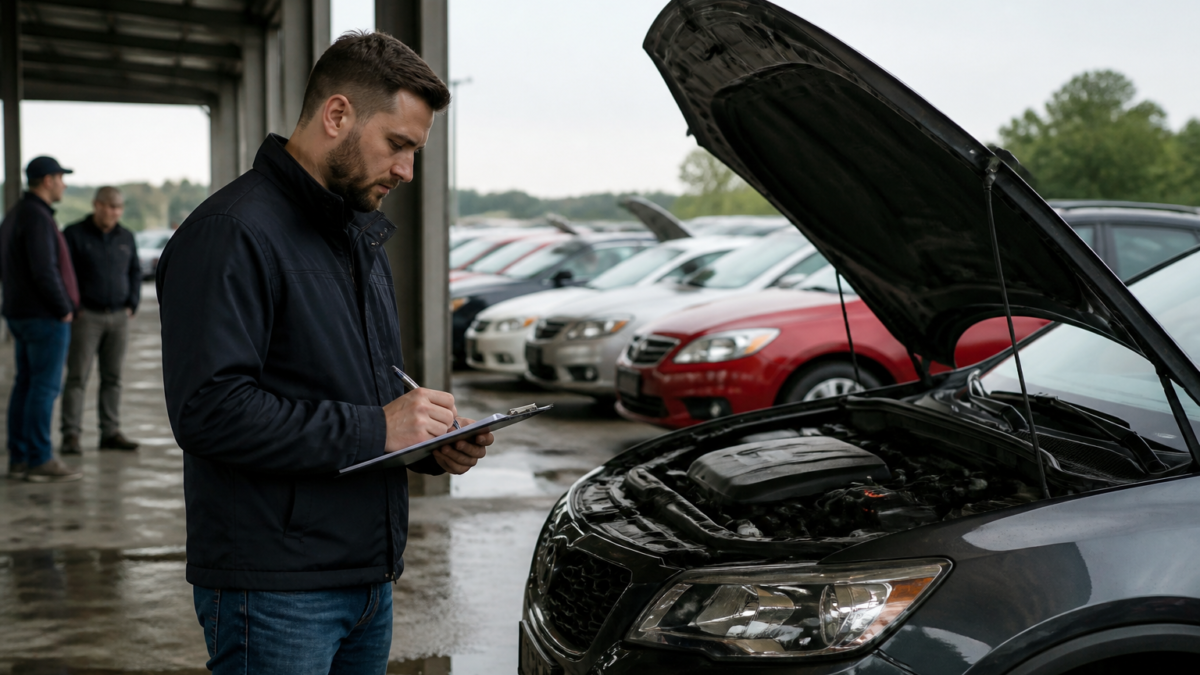
Inspection access is one of the biggest differences between buying at auction and buying from a dealer. Some auctions offer scheduled viewing periods, while others provide only photographs and a condition report. If an in-person inspection is allowed, bring a flashlight, tire-pressure gauge, basic tools that the auction permits, and a knowledgeable mechanic if possible.
Focus on evidence of expensive problems:
- Uneven panel gaps, mismatched paint, or signs of collision repair
- Water stains, musty odors, corroded wiring, or damp carpeting
- Oil or coolant leaks under the engine and transmission
- Warning lights or signs that the dashboard has been altered
- Excessive tire wear, bent wheels, or suspension damage
- Missing keys, catalytic converters, airbags, spare tires, or electronic equipment
- Cracked windshields, broken glass, and damaged lights
- Evidence of overheating, smoke, or severe engine noise, if the auction permits starting the vehicle
A vehicle-history report can help identify reported accidents, title brands, odometer events, theft records, and service entries. It cannot reveal every defect, so it should be combined with an inspection and a review of the auction listing.
Title Risks and Documentation
Title status can determine whether a bargain is usable on public roads. A clean title generally indicates that the vehicle has not been branded with a major loss designation, but it does not guarantee excellent condition. A salvage title usually means the vehicle was declared a total loss under state or insurer rules. A rebuilt title may indicate that a previously salvage vehicle passed a state-required inspection, but standards differ.
Other brands may relate to flood damage, hail, fire, theft recovery, odometer concerns, or nonrepairable status. Some brands can make a vehicle difficult or impossible to register for normal road use.
Before bidding, ask who holds the title, when it will be delivered, and whether there are liens or paperwork delays. Compare the vehicle identification number on the listing, dashboard, door label, and title documents when possible. If the VIN or title information does not match, stop and investigate before placing an offer.
Bidding Strategies for First-Time Buyers
Successful auction buying depends more on discipline than excitement. Research comparable vehicles in your local market and estimate the cost of bringing the auction car to a reliable condition. Then set a firm ceiling that includes every expected expense.
- Choose a specific vehicle type. Focus on models with affordable parts, strong parts availability, and repair needs you can realistically handle.
- Review the complete listing. Read title, condition, mileage, key, damage, and pickup information rather than relying on the headline.
- Confirm the total fee structure. Use the auction’s fee schedule to estimate the final invoice.
- Bid below your maximum. Leave room for uncertainty and avoid raising your offer simply because you have already invested time.
- Stop when the price reaches your limit. Another vehicle will eventually appear.
Be especially careful with “no reserve” listings, which may sell regardless of the final bid, and “as-is” language, which can place most defect risk on the buyer. Neither phrase automatically makes a car unsafe, but both make due diligence more important.
What to Do After Winning
Winning a bid usually creates a binding obligation under the auction’s terms. Arrange payment promptly and confirm exactly which documents you will receive. If the vehicle cannot legally or safely be driven, schedule a tow or transport service before the pickup deadline.
After taking possession, inspect the vehicle before spending heavily on cosmetic upgrades. Verify the VIN, document existing damage with photographs, scan for diagnostic trouble codes, and have a qualified technician evaluate safety-critical systems. Brakes, tires, steering, suspension, fluids, airbags, and lights deserve priority.
Contact your insurer and state motor vehicle agency before assuming that the vehicle can be registered or fully insured. Rebuilt or branded-title vehicles may require inspections, additional documentation, or different insurance options.
Are Auto Auctions Right for You?
Auto auctions may be worth considering if you can inspect vehicles, understand title paperwork, arrange transportation, and absorb unexpected repair costs. They are less suitable for buyers who need a guaranteed, immediately dependable car, a return period, or predictable financing.
The best auction purchase is not necessarily the vehicle with the lowest winning bid. It is the vehicle whose history, title, condition, fees, and repair needs fit your total budget. Careful research can reduce surprises, but no auction listing eliminates risk completely.
Frequently Asked Questions
Can anyone buy a car at an auto auction?
Some auctions are open to the public, while others are restricted to licensed dealers, dismantlers, or approved brokers. Check the specific auction’s registration requirements before making plans.
Are cars at government auctions always cheaper?
Not always. Auction vehicles may have competitive bids, but fees, transportation, repairs, taxes, and title work can reduce or eliminate the apparent savings.
Is a salvage-title car a good deal?
It can be appropriate for an experienced rebuilder who understands the damage and registration requirements. For many everyday buyers, the repair uncertainty, resale limitations, and insurance complications make a clean-title vehicle a more practical choice.
Can I test-drive an auction vehicle?
Policies vary. Some auctions allow limited inspection or starting the vehicle, while others do not permit test drives. Never assume a test drive or mechanical inspection is available.
What is the safest way to set an auction budget?
Estimate the all-in cost: maximum bid, buyer fees, taxes, transportation, title and registration charges, immediate maintenance, and a reserve for unexpected repairs. Bid only when that total remains within your budget.








Leave a Reply