
Key Takeaways
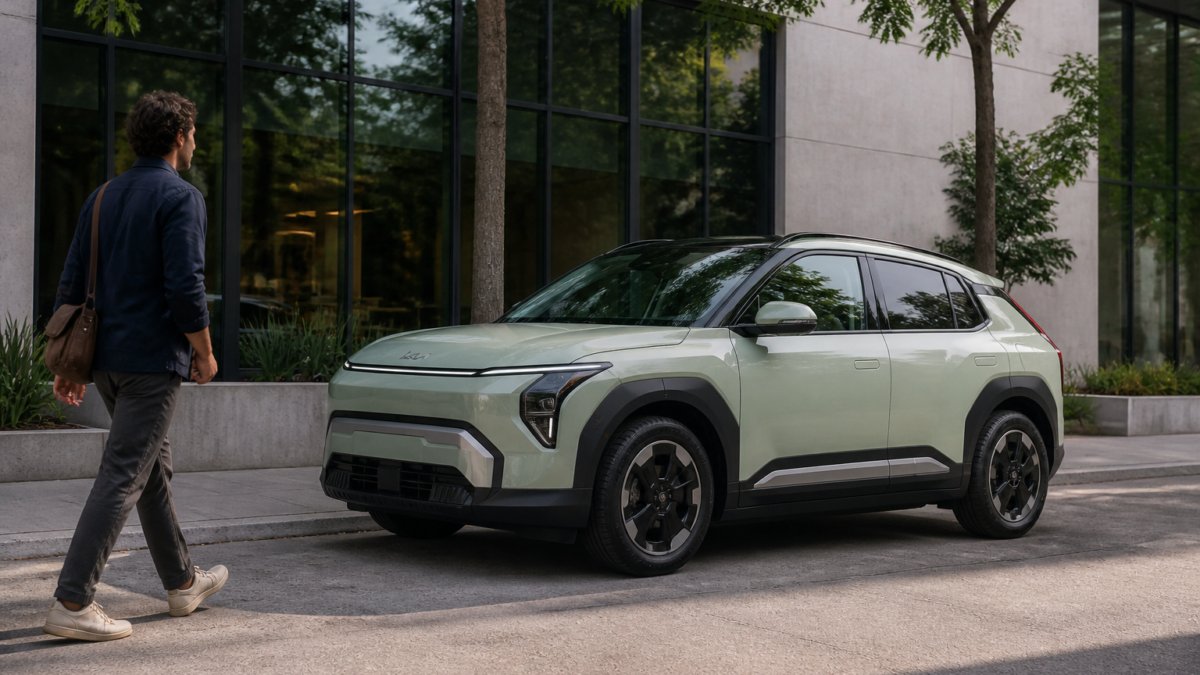
- Kia EV3 pre-orders are open in Mexico for the compact electric SUV that will be built at Kia’s plant in Pesquería, Nuevo León.
- Production in Mexico was scheduled to begin on August 4, 2026, with U.S. sales planned by the end of 2026.
- Mexico-market versions include Standard Range EX and Extended Range SXL trims, while the U.S. model is expected to offer five trims.
- The EV3 is expected to use either a 58.3-kWh or 81.4-kWh battery, depending on configuration.
- U.S. pricing has not been officially announced. Earlier expectations placed the starting price near $35,000, but shoppers should wait for Kia’s final MSRP and configuration details.
What Kia’s Mexico Pre-Orders Mean
Kia has begun accepting pre-orders for the EV3 in Mexico, giving buyers in that market an early opportunity to reserve the brand’s new compact electric SUV. The move is also important for U.S. shoppers because Kia plans to manufacture the EV3 in Mexico and export it to the United States later in 2026.
The Mexico announcement followed Kia’s plan to invest approximately $649 million in regional electric-vehicle production over the next two years. According to the announcement reported by Electrek, the investment is expected to support new employment at Kia’s facility in Pesquería, Nuevo León, including jobs planned for 2026 and additional positions targeted by 2030.
The EV3 will be the first Kia electric vehicle built and sold in the region. Until now, the model had been produced in South Korea. Local production could give Kia a more direct manufacturing base for North American sales, although the final effect on pricing, incentives and supply will depend on production volumes, trade rules and Kia’s U.S. launch strategy.
Kia EV3 Production and U.S. Availability
Production of the Mexico-built EV3 was scheduled to begin on August 4, 2026. That date is a production milestone, not a confirmed U.S. customer-delivery date. Kia has stated that the 2027 EV3 is planned to go on sale in the United States by the end of 2026, but the automaker has not provided a specific nationwide launch day in the available announcement.
That distinction matters for potential buyers. Vehicle production can begin before dealerships receive inventory, and launch timing may vary by region, trim and supply. Customers interested in the EV3 should look for official Kia America announcements, local dealer listings and the automaker’s U.S. reservation or ordering process before assuming that a Mexican pre-order can be transferred to a U.S. purchase.
Mexico-Market Trims, Batteries and Range
The Mexico-market EV3 is expected to be offered in two configurations: Standard Range EX and Extended Range SXL. The Standard Range version uses a 58.3-kWh battery and is listed with a maximum WLTP range of up to 436 kilometers, or approximately 270 miles. The Extended Range SXL uses an 81.4-kWh battery and is listed with a maximum WLTP range of up to 605 kilometers, or approximately 375 miles.
These figures use the WLTP testing cycle, which is commonly used outside the United States. WLTP results are not directly equivalent to EPA range ratings. U.S. buyers should therefore rely on the final EPA estimates for the North American version rather than converting the Mexico figures into expected American driving range.
Mexico pre-order listings reported for the SXL began at 767,700 Mexican pesos, which was described as roughly $44,000 at the time of reporting. That figure should not be treated as the U.S. price. Taxes, equipment, incentives, exchange rates, destination charges and market-specific packaging can all produce different prices between Mexico and the United States.
Expected U.S. Trims and Range
For the United States, Kia has indicated that the 2027 EV3 lineup will include five trims: Light, Wind, Land, GT-Line and GT. The trim names suggest a broader lineup than the two versions announced for Mexico, but final U.S. equipment, pricing and ordering details should be confirmed by Kia America before purchase decisions are made.
The U.S. Light trim is expected to use the 58.3-kWh battery and provide an estimated EPA range of up to 220 miles. Higher trims are expected to use the larger 81.4-kWh battery. Front-wheel-drive versions with that battery are estimated to reach up to 320 miles of EPA range.
Range depends on more than battery capacity. Speed, weather, temperature, tire choice, cargo, terrain and climate-control use can all affect how far an EV travels between charges. The maximum estimate is useful for comparing configurations, but it should not be interpreted as a guaranteed result in everyday driving.
All-Wheel Drive and Charging Details
All-wheel drive is expected to be optional on the Wind and Land trims and standard on the GT-Line and GT versions. Buyers considering an AWD EV should remember that additional motors and hardware can affect efficiency, range and purchase price compared with a front-wheel-drive model.
The EV3 uses Kia’s 400-volt E-GMP platform. Based on the published specifications, the Light version with the 58.3-kWh battery can charge from 10% to 80% in about 29 minutes under suitable fast-charging conditions. The larger 81.4-kWh battery takes approximately 31 minutes for the same 10% to 80% charging window.
The North American EV3 is also expected to include a native North American Charging Standard, or NACS, charge port. This should make the vehicle compatible with the growing number of fast-charging locations using that connector, but charging speed and availability will still depend on the station, battery temperature, state of charge and other operating conditions.
What Has Not Been Confirmed Yet
Several details remain unsettled for U.S. customers:
- Final MSRP: Kia has not released official U.S. pricing for every trim in the available announcement.
- Destination and fees: Any advertised starting price may exclude destination charges, taxes, registration and dealer fees.
- Federal or state incentives: Eligibility can depend on vehicle sourcing, battery requirements, buyer income, lease structure and current regulations. Buyers should verify incentives through official government or state resources.
- Delivery timing: A planned end-of-2026 launch does not guarantee immediate availability in every state.
- Final equipment: Standard features, software functions, wheel designs and option packages may differ between Mexico and U.S. models.
Because these details can change during a vehicle launch, consumers should treat early specifications as preliminary until Kia publishes the official U.S. configurator, window stickers or ordering documentation.
How the EV3 Could Fit the U.S. Market
The EV3 is positioned as a smaller electric SUV rather than a large three-row family vehicle. That makes it potentially relevant to drivers who want a higher seating position, a compact footprint and electric power without moving to a significantly larger crossover.
Its expected range spread also gives Kia a way to serve different budgets and driving needs. The smaller battery may appeal to commuters who can charge at home, while the larger battery could be more suitable for drivers who regularly travel longer distances. The trade-off is that the extended-range version will likely cost more, and the final price difference will determine how competitive the two configurations are.
The EV3’s success will depend on more than battery range. Availability, real-world efficiency, charging reliability, software quality, warranty coverage and dealer support will all influence ownership. Competition in the compact electric SUV segment is also evolving, so buyers should compare the EV3 with other available models using final EPA figures and actual transaction prices rather than early estimates alone.
Should You Pre-Order the Kia EV3?
For Mexican buyers, a pre-order may provide an early place in the delivery process, but the terms should be reviewed carefully. Before paying a deposit, confirm whether it is refundable, what trim and equipment it covers, whether the listed price is binding, and when the dealer expects deliveries to begin.
U.S. shoppers generally should not assume that a Mexico pre-order is a substitute for a U.S. reservation. The American model will have its own ordering process, pricing, warranty documentation and delivery schedule. Waiting for Kia America to publish the official U.S. details may be the safer approach for buyers who need a firm price or delivery date.
Bottom Line
Kia EV3 pre-orders in Mexico mark a meaningful step toward the model’s North American rollout. Production began at Kia’s Nuevo León facility on August 4, 2026, and the company plans to bring the 2027 EV3 to U.S. customers by the end of 2026.
The model’s expected 58.3-kWh and 81.4-kWh battery options, estimated EPA ranges of up to 220 and 320 miles in specified U.S. configurations, available all-wheel drive and native NACS charging give shoppers several reasons to watch the launch. However, U.S. pricing, exact equipment and dealer availability remain important unanswered questions. Until Kia publishes those details, the EV3 should be viewed as an upcoming model with promising specifications—not as a fully finalized U.S. purchase option.
Frequently Asked Questions
When will the Kia EV3 launch in the United States?
Kia has indicated that the 2027 EV3 is planned to go on sale in the United States by the end of 2026. A specific nationwide customer-delivery date has not been confirmed in the available announcement.
Can U.S. buyers place a pre-order in Mexico?
Mexico pre-orders are intended for that market. U.S. shoppers should wait for Kia America’s official reservation or ordering process rather than assuming that a Mexican reservation can be transferred.
How much will the Kia EV3 cost in the U.S.?
Official U.S. pricing was not available in the announcement. Early expectations placed the entry price near $35,000, but that is not a confirmed MSRP and may not include destination charges or other fees.
How far can the Kia EV3 travel on a charge?
The U.S. Light version is expected to have an EPA estimate of up to 220 miles. Front-wheel-drive versions with the 81.4-kWh battery are expected to reach up to 320 miles. Final EPA ratings should be checked once Kia publishes the official specifications.
Does the EV3 use a NACS charging port?
The North American version is expected to include a native NACS charge port. Charging performance will vary by station and vehicle conditions.
Context Reference: Original Publisher












Leave a Reply