

Shopping for an unsold 2024 car can be worthwhile for buyers who want a new vehicle without paying the latest model-year price. However, these vehicles are not automatically available at dramatic discounts, and the best offer depends on the dealership, model, trim, location, financing terms and current inventory.
As of 2026, a 2024 vehicle is an older model-year car even if it has never been titled or registered. That distinction matters. A dealer may still market it as new, but the vehicle has spent more time in storage or on a sales lot than a current model. Buyers should therefore evaluate the entire transaction—not just the advertised discount.
This guide explains where to look for unsold 2024 cars for sale, how dealer pricing usually works, which questions to ask and how to compare an older new vehicle with a newer used or current-model alternative.
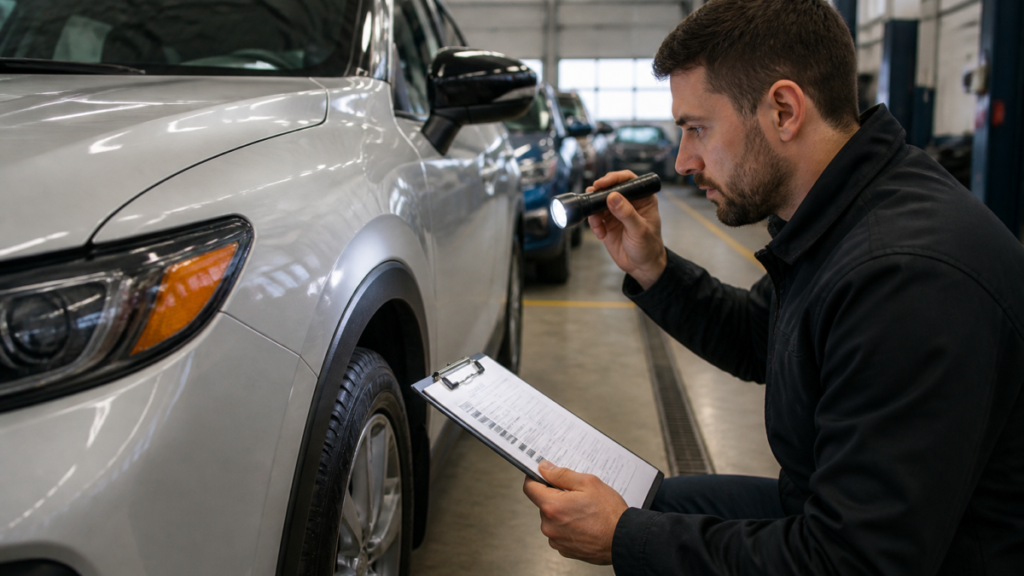
Supporting Image for “Unsold 2024 Cars for Sale: How to Find Older New-Car Inventory and Compare the Real Savings”.
What Is an Unsold 2024 Car?
An unsold 2024 car is generally a vehicle built for the 2024 model year that remains in dealer inventory without being sold to a retail customer. It may have very low mileage, but it should still be inspected for signs of transportation, test drives, weather exposure or extended outdoor storage.
Whether the vehicle qualifies as “new” for registration, warranty and financing purposes can depend on its title status and the rules used by the state, lender and manufacturer. Before signing, ask the dealer to confirm whether the vehicle has ever been titled, reported as a loaner or placed into service by the dealership.
Model-year age can affect resale value. Even if the car is new to you, a 2024 vehicle may be valued as an older model when you eventually trade it in. The purchase price should reflect that possibility.
Where to Find Unsold 2024 Cars for Sale
Older new-car inventory is usually scattered rather than listed in one national marketplace. A focused search can help uncover vehicles that are not prominently advertised.
Search dealer inventory pages
Start with the websites of franchised dealerships in your area and nearby cities. Use filters for model year, new inventory, remaining stock and price. Some dealers keep older vehicles on a separate “specials,” “clearance” or “featured inventory” page.
Inventory pages are not always updated immediately, so confirm availability by phone or email. Ask for the vehicle identification number, or VIN, before traveling to the dealership. The VIN helps you verify the exact model, equipment and vehicle history.
Contact dealers outside your immediate market
Dealers in different regions may have different inventory needs. A model that is difficult to find in one city may remain unsold at a dealership several hours away. Search a wider radius, but include transportation costs, travel expenses and the difficulty of completing paperwork remotely in your comparison.
Use manufacturer and automotive marketplace searches
Automaker websites and major vehicle marketplaces may show remaining new inventory by ZIP code. These tools can be helpful for finding specific trims, colors or powertrains, but listings can lag behind actual dealer records. Treat online results as leads rather than guaranteed availability.
Ask directly about aged inventory
When speaking with a salesperson or internet department, use clear language: ask whether the dealership has any untitled 2024 vehicles, demo units or vehicles that have remained in stock for an extended period. You can also ask whether the dealer is willing to provide an itemized quote before you visit.
How Discounts on Older New Cars Usually Work
A dealer may reduce the price of an older vehicle to make room for newer inventory, but the discount is not necessarily based on the car’s original sticker price. Pricing can involve the manufacturer’s suggested retail price, dealer-installed accessories, market adjustments, rebates, financing offers and trade-in incentives.
Some offers are available only to qualified buyers, only when using the manufacturer’s financing partner or only when a customer gives up another incentive. Others may require a trade-in or apply to selected trims. Read the eligibility requirements carefully.
Compare the vehicle’s selling price with current listings for similar 2024 models and newer model-year vehicles. A large advertised reduction may look attractive but provide limited value if the vehicle has unwanted accessories, a high documentation fee or an inflated amount financed.
Request an out-the-door price
The most useful comparison is the out-the-door price. Ask for a written breakdown that includes:
- Agreed vehicle selling price
- Dealer-installed accessories or protection products
- Documentation or processing fees
- Registration, title and state charges
- Sales tax
- Optional service contracts or maintenance plans
- Trade-in credit, if applicable
- Down payment and financing charges
Comparing only the monthly payment can hide the true cost. A longer loan term may reduce the payment while increasing total interest and leaving the buyer owing more than the vehicle is worth for a longer period.
Potential Advantages of Buying an Unsold 2024 Vehicle
Lower purchase price
An older new vehicle may be priced below a comparable current model, especially when the dealer is trying to reduce aging inventory. The actual savings vary, so confirm them against comparable listings and written quotes.
New-vehicle warranty coverage
If the vehicle has not been titled or placed into service, its factory warranty may still apply under the manufacturer’s terms. The warranty start date can vary, particularly for dealer demonstrators or vehicles used as loaners. Ask the dealer and manufacturer to confirm the effective date in writing.
More room to negotiate
Dealers may be more flexible with vehicles that have occupied floor space for a long time. Negotiation is more effective when you know the exact VIN, understand the local market and separate the vehicle price from financing and add-on products.
Availability of familiar models
Some buyers prefer a proven 2024 model rather than purchasing a newly redesigned vehicle. An older model year may have equipment, controls or powertrain features that are familiar and well documented.
Important Risks and Costs to Check
Depreciation and resale value
The vehicle’s model year affects its future trade-in or resale value. Buying an older car at a meaningful discount can offset some depreciation, but not always all of it. Consider how long you plan to keep the vehicle and whether you typically trade in after only a few years.
Battery and tire age
A vehicle that has been stored for a long period may need attention even with very low mileage. Ask whether the battery has been maintained, whether the tires show uneven wear or age-related cracking and whether the vehicle was stored outdoors. These checks are especially important for cars that were not regularly driven.
Limited selection
Remaining 2024 inventory may consist of less popular colors, uncommon configurations or vehicles with dealer-added accessories. Decide which features are essential before becoming attached to a particular discount.
Warranty and incentive limitations
Manufacturer programs can change, expire or exclude certain vehicles. An advertised financing rate may not be available to every buyer, and a cash incentive may not be combined with another offer. Confirm current eligibility with the dealer and review the final contract.
Insurance and ownership costs
Before buying, request an insurance quote for the exact VIN or configuration. Premiums can vary by vehicle, location, driver profile and coverage choices. Also estimate fuel, charging, maintenance, registration and financing costs rather than focusing only on the sale price.
How to Inspect an Unsold 2024 Car
Even a new vehicle deserves a careful inspection. Walk around the car in daylight and look for paint differences, dents, scratches, wheel damage and signs of repair. Check that the odometer reading is consistent with the vehicle’s use and ask whether it was a demonstration or loaner vehicle.
Inspect the interior for wear, stains and malfunctioning electronics. Test the air conditioning, driver-assistance features, infotainment system, windows, lights and charging equipment when applicable. Confirm that all advertised accessories are present.
Review the VIN, window sticker and buyer’s order. Make sure the model year, trim, engine, drivetrain and included equipment match what you agreed to purchase. You can also consider an independent inspection, particularly if the vehicle has been stored for an unusually long time or was used as a demo.
Questions to Ask the Dealership
- Has the vehicle ever been titled, registered or used as a loaner?
- What is the exact in-service date for the factory warranty?
- How long has the vehicle been at this dealership?
- Has it been moved between dealerships or stored outdoors?
- Are there any open recalls or incomplete software updates?
- What dealer-installed products are included or required?
- Which rebates and financing offers apply to this VIN?
- Can you provide the complete out-the-door price in writing?
- What is the return, cancellation or deposit policy?
2024 Hybrid, Electric and Gas-Powered Vehicles
Remaining 2024 inventory may include gasoline cars, hybrids, plug-in hybrids and electric vehicles. The right choice depends on driving habits, charging access, fuel prices, climate and ownership plans.
For an electric or plug-in hybrid vehicle, verify battery warranty terms, included charging equipment and compatibility with your home or public charging setup. Incentive eligibility can depend on the vehicle, buyer, location and purchase date, so do not assume that an older vehicle qualifies for a particular tax benefit.
For hybrids and gasoline vehicles, compare expected fuel consumption with the vehicle’s purchase price and insurance cost. A lower purchase price does not automatically make one powertrain cheaper to own.
Are Unsold 2024 Cars a Good Deal?
They can be, but the answer depends on the complete transaction. An unsold 2024 car may make sense when the price is clearly below comparable newer inventory, the warranty status is confirmed, the vehicle passes inspection and the financing terms are competitive.
It may be less attractive when the discount is small, the car carries expensive add-ons, the warranty has already started or a newer model offers substantially better equipment and resale prospects for a similar price.
Take your time, compare at least several written offers and avoid treating “clearance” language as proof of exceptional value. The best deal is the one that remains favorable after taxes, fees, financing, insurance and expected depreciation are included.
Final Buying Checklist
- Find the exact VIN and confirm that the vehicle is still available.
- Verify title status, mileage, warranty start date and vehicle history.
- Compare the price with similar 2024 and newer model-year vehicles.
- Request an itemized out-the-door quote.
- Check financing from the dealer and outside lenders.
- Inspect the vehicle, tires, battery and included equipment.
- Confirm rebate and financing eligibility before signing.
- Review every contract line, add-on and cancellation policy.
Searching for unsold 2024 cars for sale can uncover useful opportunities, particularly for buyers who are flexible about color, trim and location. The key is to evaluate the vehicle as older inventory—not as an automatic bargain. Careful research and a written cost comparison can help you determine whether the savings are genuine and whether the car fits your long-term ownership plans.








Leave a Reply