
Lupus is a chronic autoimmune condition that can affect many parts of the body. It may involve the skin, joints, blood, kidneys, heart, lungs, brain, and other organs. Because lupus symptoms can be different from person to person, the early signs are not always easy to recognize.
For some people, lupus begins with extreme tiredness, joint pain, or a skin rash. For others, it may start with unexplained fever, hair loss, mouth sores, chest discomfort, or sensitivity to sunlight. Symptoms may come and go, and they may be mild at first. This can make lupus difficult to diagnose early.
One of the most important things to understand is that lupus does not look the same in everyone. A person may have several symptoms at once, or symptoms may appear slowly over months or years. Some people have flares, which are periods when symptoms become worse, followed by times when symptoms improve.
This article explains the early signs and symptoms of lupus, why they happen, what symptoms may feel like, and when it may be time to speak with a healthcare professional. This information is for general education only and should not replace medical advice, diagnosis, or treatment from a qualified doctor.
What Is Lupus?
Lupus is an autoimmune disease. In a healthy immune system, the body fights germs such as viruses and bacteria. In lupus, the immune system becomes overactive and mistakenly attacks healthy tissues. This can lead to inflammation, pain, swelling, and damage in different parts of the body.
The most common type is systemic lupus erythematosus, often called SLE. This type can affect multiple organs and body systems. Other types include cutaneous lupus, which mainly affects the skin, drug-induced lupus, and neonatal lupus.
Lupus can affect anyone, but it is more common in women, especially during childbearing years. It can also be more common or more severe in certain racial and ethnic groups. However, symptoms should be taken seriously in anyone, regardless of age, sex, or background.
Why Lupus Can Be Hard to Recognize Early
Lupus can be hard to recognize because early symptoms often overlap with many other health problems. Fatigue, joint pain, fever, and skin changes can happen with infections, thyroid problems, rheumatoid arthritis, fibromyalgia, anemia, allergies, stress, medication reactions, and many other conditions.
Another reason lupus is difficult to identify is that symptoms may come and go. A person may feel sick for several days, then feel better, then have symptoms return later. This pattern can make it easy to delay medical evaluation.
There is also no single test that can diagnose lupus by itself. Doctors usually consider symptoms, medical history, physical exam findings, blood tests, urine tests, and sometimes imaging or biopsy results. Mayo Clinic notes that no one test can diagnose lupus, and diagnosis is based on a combination of information.
Extreme Fatigue
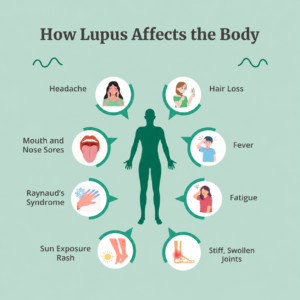
Fatigue is one of the most common early signs of lupus. This is not just normal tiredness after a busy day. Lupus-related fatigue can feel deep, persistent, and difficult to improve even with rest.
A person may wake up tired, feel exhausted after simple activities, or struggle to complete normal daily tasks. Fatigue may affect work, school, social life, exercise, and emotional well-being.
Fatigue can happen for many reasons, including poor sleep, anemia, inflammation, pain, stress, medications, or other health conditions. Because fatigue is common in many illnesses, it does not automatically mean lupus. But when fatigue is severe, persistent, or appears with joint pain, rash, fever, or other symptoms, it should be discussed with a healthcare professional.
Joint Pain and Stiffness
Joint pain is another common early symptom of lupus. Many people with lupus experience pain, stiffness, swelling, or tenderness in the joints. The hands, wrists, fingers, knees, ankles, elbows, and shoulders may be affected.
Lupus joint symptoms may feel worse in the morning or after resting. Some people notice stiffness that improves with movement. Others have swelling or warmth around the joints.
Lupus joint pain can resemble rheumatoid arthritis or other inflammatory joint conditions. However, lupus joint pain may come and go with flares. It may also occur with fatigue, rash, fever, mouth sores, or sun sensitivity.
If joint pain is persistent, unexplained, affects multiple joints, or happens with swelling, it is worth getting checked.
Muscle Pain and Weakness
Muscle aches can also occur early in lupus. Some people feel soreness, tenderness, or weakness in the arms, legs, shoulders, or back. The pain may feel like flu-like body aches, even when there is no infection.
Muscle symptoms may be related to inflammation, fatigue, reduced activity, medication effects, or overlapping conditions. In some cases, lupus can be associated with inflammation in muscles, though this is less common than joint pain.
Muscle pain becomes more concerning when it is persistent, unexplained, or appears with other signs such as fever, rash, joint swelling, or abnormal blood tests.
Butterfly-Shaped Rash on the Face
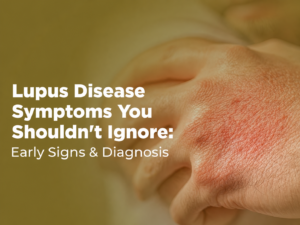
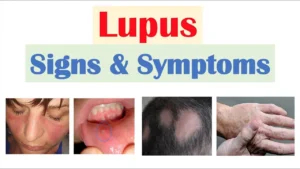
One of the most recognized lupus symptoms is a butterfly-shaped rash across the cheeks and bridge of the nose. This is sometimes called a malar rash. It may look red, pink, or darker depending on skin tone. It may be flat or slightly raised.
The rash may become more noticeable after sun exposure. It can sometimes be mistaken for rosacea, acne, sunburn, allergic reaction, or skin irritation.
Not everyone with lupus gets a butterfly rash, and having a facial rash does not always mean lupus. Still, a recurring facial rash that appears after sunlight, does not behave like acne, or happens with joint pain and fatigue should be evaluated.
Other Skin Rashes
Lupus can cause different types of skin rashes beyond the butterfly rash. Some people develop red, scaly, circular, or patchy rashes on the face, scalp, ears, neck, arms, chest, or other sun-exposed areas.
Cutaneous lupus may mainly affect the skin, while systemic lupus may affect both skin and internal organs. Some rashes can leave discoloration or scarring, especially if not treated.
Because skin symptoms can look different depending on skin tone, some rashes may be missed or misdiagnosed. People with darker skin may notice dark patches, purple-gray areas, scaling, or changes in pigmentation rather than bright redness.
A dermatologist or rheumatologist can help evaluate unusual, persistent, or sun-triggered rashes.
Sensitivity to Sunlight
Sun sensitivity, also called photosensitivity, is a common lupus-related symptom. A person may develop rashes, fatigue, joint pain, fever, or general worsening of symptoms after sun exposure.
This does not always mean a severe sunburn. Some people may feel unwell after being outside for a short time. Others may notice rashes after sunlight through windows or after exposure to strong indoor UV light.
Sun sensitivity can affect daily life because normal outdoor activities may trigger symptoms. People who suspect lupus-related sun sensitivity should discuss it with a doctor and ask about safe sun protection strategies.
Unexplained Fever
Low-grade fever can be an early sign of lupus. A person may have a temperature that comes and goes without a clear infection. Fever may appear during flares and may occur with fatigue, body aches, joint pain, or rash.
Unexplained fever can have many causes, including infection, inflammation, medication reactions, autoimmune disease, and other medical conditions. Because fever can signal infection or other serious problems, it should not be ignored if it is persistent, recurrent, or accompanied by other concerning symptoms.
Hair Loss or Hair Thinning
Hair loss can happen in lupus. Some people notice general thinning, while others develop patchy hair loss. Hair may break easily near the front hairline, or the scalp may feel irritated if there is a lupus-related rash.
Hair loss may happen during flares and may improve when inflammation is controlled. In some types of cutaneous lupus, scalp involvement can lead to scarring and more permanent hair loss if not treated early.
Hair loss alone can have many causes, including stress, thyroid disease, iron deficiency, hormonal changes, medications, and other autoimmune conditions. But hair loss with rash, fatigue, fever, joint pain, or mouth sores should be evaluated.
Mouth or Nose Sores
Frequent mouth sores or nose sores can be an early sign of lupus. These sores may be painless or painful. They may appear on the roof of the mouth, inside the cheeks, on the gums, or inside the nose.
Because mouth sores are common and may occur from stress, injury, viral infections, vitamin deficiencies, or dental issues, they are often overlooked. However, recurring sores, especially when combined with fatigue, joint pain, rash, or fever, may be part of a lupus pattern.
A doctor may ask how often the sores appear, whether they hurt, how long they last, and whether other symptoms happen at the same time.
Chest Pain When Breathing Deeply
Some people with lupus experience chest pain, especially when taking a deep breath. This may happen if lupus causes inflammation around the lungs or heart. This type of pain can feel sharp and may worsen with breathing, coughing, or lying down.
Chest pain should always be taken seriously. It can have many causes, including lung infection, blood clots, heart problems, acid reflux, muscle strain, anxiety, or inflammation. Because some causes are urgent, new or severe chest pain needs prompt medical attention.
If chest pain is accompanied by shortness of breath, fainting, coughing blood, severe weakness, or pain spreading to the arm or jaw, emergency care may be needed.
Swelling in the Legs, Feet, Hands, or Around the Eyes
Lupus can affect the kidneys, and kidney involvement may not cause obvious symptoms at first. One possible sign is swelling in the legs, feet, hands, or around the eyes. This swelling may happen because the kidneys are not filtering properly or because protein is leaking into the urine.
Other possible kidney-related signs include foamy urine, high blood pressure, changes in urination, or abnormal urine tests. Kidney involvement can be serious, so swelling with possible lupus symptoms should be checked by a healthcare professional.
Not all swelling is due to lupus. It can also happen from heart problems, kidney disease, liver disease, medication side effects, pregnancy, standing too long, or other conditions. Testing is needed to understand the cause.
Foamy Urine or Changes in Urination
Foamy urine may suggest protein in the urine, which can happen with kidney involvement. A person may also notice changes in urination, such as urinating more or less than usual, darker urine, or blood in the urine.
Lupus kidney disease, often called lupus nephritis, can sometimes develop without obvious symptoms. That is why urine testing is important when lupus is suspected or diagnosed.
Anyone with swelling, high blood pressure, foamy urine, blood in urine, or unexplained changes in urination should speak with a healthcare professional.
Raynaud’s Phenomenon
Raynaud’s phenomenon is a condition where fingers or toes change color in response to cold or stress. They may turn white, blue, purple, or red and may feel numb, painful, cold, or tingly.
Raynaud’s can occur on its own or with autoimmune diseases such as lupus. It does not always mean a person has lupus, but it may be an important clue when combined with joint pain, rashes, fatigue, mouth sores, or abnormal blood tests.
Keeping hands and feet warm may help, but new or severe Raynaud’s symptoms should be discussed with a doctor.
Headaches, Brain Fog, or Mood Changes
Some people with lupus report headaches, trouble concentrating, memory problems, brain fog, anxiety, or mood changes. These symptoms can be frustrating and may affect work, school, and relationships.
Brain fog can feel like difficulty finding words, forgetting tasks, losing focus, or feeling mentally slow. It can be related to fatigue, poor sleep, stress, pain, medications, inflammation, or other health problems.
Because these symptoms have many possible causes, they should be evaluated in context. Sudden severe headache, confusion, weakness on one side of the body, seizures, or major neurological changes require urgent medical attention.
Dry Eyes or Dry Mouth
Some people with lupus may experience dry eyes or dry mouth, sometimes due to overlapping autoimmune conditions such as Sjögren’s disease. Dry eyes may feel gritty, burning, watery, or irritated. Dry mouth may cause thirst, trouble swallowing dry foods, dental problems, or mouth discomfort.
Dryness can also be caused by medications, dehydration, aging, screen use, allergies, or other conditions. But persistent dryness with fatigue, joint pain, rash, or mouth sores should be discussed with a healthcare professional.
Anemia or Easy Bruising
Lupus can affect the blood. Some people may develop anemia, low white blood cells, or low platelets. These changes may cause fatigue, weakness, frequent infections, easy bruising, or unusual bleeding.
Blood-related signs may not be obvious without lab tests. A person may simply feel unusually tired or weak. Doctors may find blood count changes during routine testing.
Easy bruising, unexplained bleeding, severe fatigue, or frequent infections should be evaluated.
Symptoms That Come and Go
One of the most important lupus patterns is that symptoms may come and go. A person may feel worse during flares and better during periods of lower disease activity.
Flares may be triggered by sunlight, stress, infections, lack of sleep, certain medications, hormonal changes, or other factors. Triggers vary by person.
Keeping a symptom diary can help. A person can track fatigue, pain, rash, fever, sun exposure, sleep, stress, food, medications, menstrual cycle, and other patterns. This information may help doctors understand what is happening.
Early Lupus Symptoms in Women
Lupus is more common in women, especially during reproductive years. Early symptoms in women may include fatigue, joint pain, rashes, hair loss, mouth sores, fever, chest pain, Raynaud’s, and menstrual-related flare patterns.
Some women may first notice symptoms after pregnancy, infection, major stress, or hormonal changes. Lupus can also affect pregnancy risks, so women with known or suspected lupus should discuss family planning and pregnancy care with a healthcare professional.
Early Lupus Symptoms in Men
Although lupus is less common in men, it can still happen. Men may experience the same symptoms, including fatigue, joint pain, rashes, fever, kidney problems, chest pain, and blood changes.
Because lupus is often thought of as a women’s disease, symptoms in men may sometimes be overlooked. Men with persistent unexplained autoimmune-like symptoms should still be evaluated.
Early Lupus Symptoms in Children and Teens
Lupus can also occur in children and teenagers. Early symptoms may include fatigue, fever, joint pain, rash, hair loss, mouth sores, swelling, or changes in urine.
Children may have trouble describing symptoms clearly. Parents may notice tiredness, school difficulties, reduced activity, unexplained pain, or skin changes.
Childhood lupus can sometimes be more active, so early medical evaluation is important when symptoms suggest an autoimmune condition.
Conditions That Can Look Like Lupus
Many conditions can resemble lupus. These may include:
Rheumatoid arthritis
Fibromyalgia
Thyroid disease
Chronic fatigue syndrome
Viral infections
Lyme disease
Anemia
Rosacea
Psoriasis
Eczema
Sjögren’s disease
Dermatomyositis
Medication reactions
Kidney disease
Other autoimmune conditions
Because symptoms overlap, self-diagnosis is not reliable. A healthcare professional may need to run several tests and follow symptoms over time.
When to See a Doctor
A person should consider seeing a doctor if they have unexplained symptoms that last, return, or appear in a pattern. This is especially important when several possible lupus symptoms happen together.
For example, medical evaluation is important if someone has fatigue plus joint pain, rash plus sun sensitivity, mouth sores plus fever, swelling plus foamy urine, or chest pain with breathing.
It may help to start with a primary care doctor. If lupus or another autoimmune disease is suspected, the doctor may refer the patient to a rheumatologist. A rheumatologist specializes in autoimmune and inflammatory diseases.
Symptoms That Need Urgent Care
Some symptoms should be treated urgently. These include:
Severe chest pain
Trouble breathing
Coughing blood
Sudden weakness or numbness
Seizure
Severe confusion
High fever
Severe headache unlike usual headaches
Severe swelling
Very little urination
Blood in urine
Fainting
Severe abdominal pain
These symptoms can have many causes, but some may be serious and need immediate medical attention.
How Doctors May Evaluate Lupus Symptoms
Doctors usually evaluate lupus by combining symptoms, medical history, physical exam, and test results. They may ask about rashes, joint pain, fevers, hair loss, mouth sores, sun sensitivity, chest pain, family history, medications, and symptom patterns.
Common tests may include blood counts, kidney function tests, urine tests, antinuclear antibody test, anti-dsDNA, anti-Smith antibodies, complement levels, inflammation markers, and other autoimmune tests depending on the situation.
A positive ANA test can support suspicion of lupus, but it does not diagnose lupus by itself. Some healthy people can have a positive ANA, and some symptoms may be caused by other diseases. American College of Rheumatology notes that positive antinuclear antibodies are present in nearly all people with lupus, but diagnosis still depends on the full clinical picture.
Why Early Diagnosis Matters
Early diagnosis matters because lupus can affect organs silently, especially the kidneys. Treating inflammation early may help reduce flares, protect organs, and improve quality of life.
Delayed diagnosis can happen when symptoms are mild, come and go, or are mistaken for other conditions. Patients can help by tracking symptoms, taking photos of rashes, noting triggers, and sharing a complete medical history.
Early care does not mean every symptom is dangerous. It means getting the right evaluation so the cause can be understood.
Practical Symptom Checklist
A lupus symptom checklist may include:
Extreme fatigue
Joint pain or swelling
Morning stiffness
Muscle aches
Butterfly-shaped facial rash
Other unexplained rashes
Sun sensitivity
Unexplained fever
Hair loss or thinning
Mouth or nose sores
Chest pain with deep breathing
Swelling in legs, feet, hands, or around eyes
Foamy urine or urine changes
Raynaud’s symptoms
Headaches or brain fog
Dry eyes or dry mouth
Easy bruising or unusual bleeding
Symptoms that flare and improve
Having one symptom does not mean lupus. But having multiple symptoms, especially if they are persistent or recurring, should be discussed with a healthcare professional.
How to Prepare for a Doctor Visit
Before seeing a doctor, it can help to write down symptoms and patterns. Useful details include:
When symptoms started
Which symptoms happen together
How long symptoms last
Whether symptoms come and go
Sun exposure before rashes or flares
Photos of rashes
Fever readings
Joint swelling locations
Hair loss pattern
Mouth sore frequency
Urine changes
Family history of autoimmune disease
Medications and supplements
Recent infections or major stress
This information can help the doctor decide what tests may be needed.
Living With Possible Lupus Symptoms
While waiting for medical evaluation, it may help to protect the skin from sun, get enough rest, avoid smoking, manage stress, and keep notes about symptoms. However, people should avoid starting supplements, restrictive diets, or medications without medical advice, especially if they have kidney symptoms, pregnancy concerns, or take other medicines.
If lupus is diagnosed, treatment depends on symptoms and organ involvement. Treatment may include medications to control inflammation and prevent flares. Care may involve a rheumatologist and sometimes other specialists such as dermatologists, nephrologists, cardiologists, or neurologists.
Final Thoughts
The early signs and symptoms of lupus can be subtle, confusing, and different from person to person. Fatigue, joint pain, rashes, sun sensitivity, fever, hair loss, mouth sores, chest pain, swelling, urine changes, and Raynaud’s symptoms can all be part of the early picture.
Having these symptoms does not automatically mean lupus. Many other conditions can cause similar problems. But when symptoms are persistent, unexplained, recurring, or appear together, it is important to seek medical advice.
The safest approach is to pay attention to patterns, document symptoms, and speak with a healthcare professional. Early evaluation can help identify lupus or another condition and guide the right next steps.
Frequently Asked Questions About Early Signs and Symptoms of Lupus
What is usually the first sign of lupus?
There is no single first sign for everyone. Many people first notice fatigue, joint pain, skin rash, unexplained fever, hair loss, or mouth sores.
Can lupus symptoms come and go?
Yes. Lupus symptoms may flare and then improve. This pattern can make lupus difficult to recognize early.
What does a lupus rash look like?
A lupus rash may appear as a butterfly-shaped rash across the cheeks and nose, or as other red, scaly, dark, purple, or patchy rashes on sun-exposed skin. Appearance can vary by skin tone.
Is fatigue common in lupus?
Yes. Fatigue is one of the most common lupus symptoms and can be severe enough to affect daily life.
Can lupus cause joint pain?
Yes. Lupus can cause joint pain, stiffness, swelling, and tenderness, often in the hands, wrists, knees, or other joints.
Can lupus cause hair loss?
Yes. Lupus can cause hair thinning, hair breakage, or patchy hair loss, especially during flares or when the scalp is affected.
Can lupus affect the kidneys?
Yes. Lupus can affect the kidneys. Warning signs may include swelling, foamy urine, high blood pressure, or abnormal urine tests.
Is lupus easy to diagnose?
No. Lupus can be hard to diagnose because symptoms vary and can resemble other conditions. Doctors usually use symptoms, exams, blood tests, and urine tests together.
When should I see a doctor for possible lupus?
See a doctor if you have persistent or recurring symptoms such as fatigue, joint pain, rashes, fever, mouth sores, hair loss, sun sensitivity, swelling, or urine changes.
Is lupus curable?
Lupus is usually a chronic condition. While there may not be a cure, treatment can help manage symptoms, reduce flares, and protect organs.


Leave a Reply