
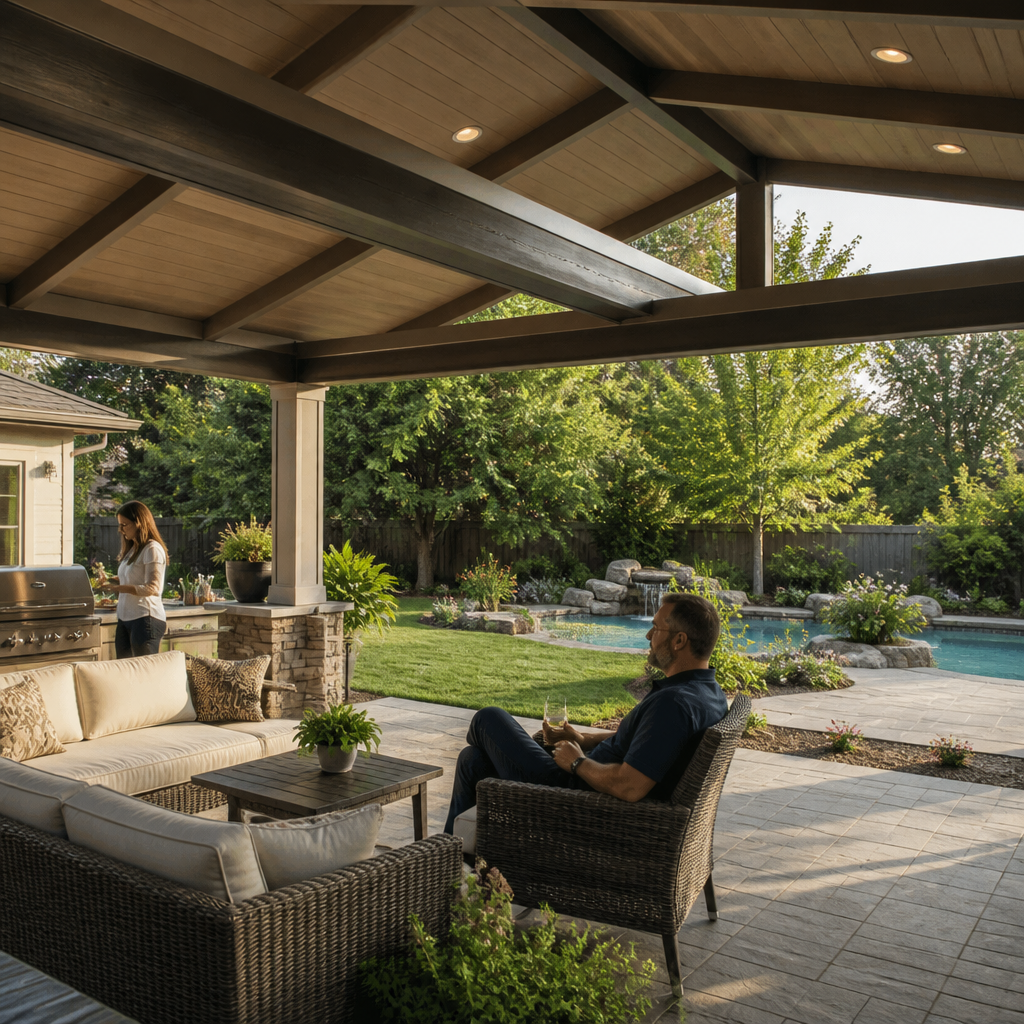
An outdoor patio can turn a simple backyard into a comfortable living space. It can be used for relaxing, family meals, weekend gatherings, outdoor cooking, reading, or simply enjoying fresh air. But without proper roofing, a patio may only be useful during perfect weather. Too much sun, sudden rain, falling leaves, or harsh wind can quickly make the space uncomfortable.
That is where outdoor patio roofing becomes important. A good patio roof helps protect the area, improves comfort, adds style to the home, and can make the outdoor space more useful throughout the year. Whether the goal is shade, rain protection, privacy, or a more finished backyard design, choosing the right patio roofing system can make a big difference.
Outdoor patio roofing comes in many styles and materials. Some homeowners prefer a classic wooden pergola. Others want a solid roof that feels like an extension of the house. Some choose metal panels for durability, while others prefer polycarbonate panels for natural light. The best choice depends on climate, budget, home design, maintenance needs, and how the patio will be used.
What Is Outdoor Patio Roofing?
Outdoor patio roofing is any structure or cover built over a patio to provide shade, weather protection, or design value. It can be attached to the house or built as a freestanding structure in the yard.
A patio roof can be simple or highly customized. A basic cover may use metal or polycarbonate panels. A more advanced design may include wood framing, ceiling fans, lighting, gutters, insulation, and built-in drainage. Some patio roofs are designed mainly for shade, while others are built to protect against rain, snow, and strong sun.
The main purpose is to make the patio more usable. Instead of avoiding the patio during hot afternoons or rainy weather, homeowners can enjoy the space more often.
Why Outdoor Patio Roofing Is Worth Considering
Outdoor patio roofing is worth considering because it improves both comfort and function. A patio without shade can become too hot during summer. A patio without rain protection may be difficult to use during wet weather. A patio without cover may also expose furniture, flooring, and outdoor décor to faster wear.
A roof helps solve these problems. It creates a more comfortable outdoor area and protects the patio from direct weather exposure. This can help outdoor furniture last longer, reduce heat, and make the space feel more like a true outdoor room.
For many homeowners, patio roofing also improves the visual appeal of the backyard. A well-designed roof can make the patio look finished, organized, and more inviting.
Main Benefits of Outdoor Patio Roofing
Outdoor patio roofing offers several benefits. The first and most obvious benefit is shade. Direct sunlight can make outdoor spaces uncomfortable, especially during hot seasons. A roof blocks or reduces sunlight and helps keep the area cooler.
The second benefit is rain protection. A covered patio allows people to sit outside even during light rain. It also protects furniture, cushions, grills, and flooring from water damage.
Another benefit is improved home value and appearance. A covered patio can make the property feel more useful and attractive. Buyers often like outdoor living spaces, especially when they are functional and well-designed.
Patio roofing can also help define the outdoor space. Without a cover, a patio may feel like an open slab. With roofing, it becomes a clear sitting area, dining area, or entertainment zone.
Popular Types of Outdoor Patio Roofing
There are many types of patio roofing, and each one has a different look, purpose, and cost level. The most common options include solid patio roofs, pergola roofs, metal patio roofs, polycarbonate roofs, insulated panel roofs, retractable covers, and natural-material roofing.
Choosing the right type depends on how much protection is needed. A homeowner who mainly wants shade may choose a pergola or fabric cover. A homeowner who wants year-round protection may choose a solid roof or insulated panel system.
Solid Patio Roof
A solid patio roof is one of the most protective options. It is usually built with a strong frame and covered with shingles, metal panels, tiles, or other roofing materials. It may be designed to match the main roof of the home, making it feel like a natural extension of the house.
This type of roof is ideal for homeowners who want strong weather protection. It can block sun, rain, and debris. It can also support lighting, fans, and sometimes even outdoor speakers.
The biggest advantage of a solid patio roof is durability. It creates a more permanent outdoor living area. The main drawback is cost. A solid roof usually requires more materials, labor, planning, and sometimes permits.
Pergola Patio Roof
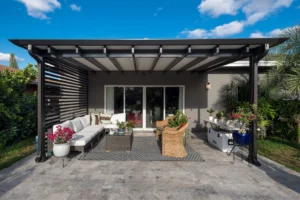
A pergola is a popular patio roofing option for homeowners who want style and partial shade. Traditional pergolas use beams or slats across the top, creating filtered sunlight rather than full coverage.
Pergolas are attractive because they add structure without making the patio feel closed in. They work well in gardens, poolside spaces, dining areas, and modern backyards. Some homeowners also grow vines or climbing plants over pergolas for a natural shaded effect.
A basic pergola does not fully protect against rain. However, it can be upgraded with fabric shade, retractable covers, polycarbonate panels, or louvered roof systems. This makes it more flexible.
Metal Patio Roof
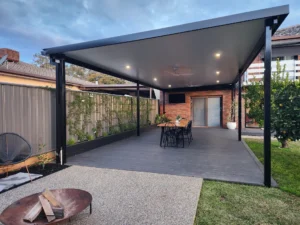
Metal patio roofing is popular because it is durable, practical, and relatively low-maintenance. Common metal options include aluminum, steel, and corrugated metal panels.
Metal roofs work well in many climates. They can handle sun, rain, and wind when installed correctly. Aluminum is lightweight and resistant to rust, while steel is strong but may need proper coating to prevent corrosion.
A metal patio roof can look modern, industrial, farmhouse-style, or simple depending on the design. Corrugated metal panels are often used for budget-friendly patio covers, while standing seam metal can create a cleaner, premium look.
One thing to consider is noise. Rain can sound louder on metal roofing compared with other materials. Some homeowners like the sound, while others may prefer insulation or a ceiling layer to reduce noise.
Polycarbonate Patio Roof
Polycarbonate roofing is a great choice for homeowners who want protection while still allowing natural light. Polycarbonate panels are lightweight, strong, and often used in patios, greenhouses, carports, and outdoor covers.
This material can block some UV rays while letting light pass through. It is useful for patios where homeowners do not want the space to feel too dark.
Polycarbonate panels come in clear, tinted, and frosted styles. Clear panels let in the most light, while tinted panels reduce glare and heat. Frosted panels provide a softer look and more privacy.
The main advantage is brightness. The patio stays protected without feeling enclosed. The main drawback is that some panels may show dirt, scratches, or discoloration over time if lower-quality material is used.
Insulated Patio Roof Panels
Insulated patio roof panels are designed for comfort. They usually include a foam or insulated core between metal layers. This helps reduce heat transfer and can make the patio cooler during hot weather.
Insulated panels are useful for homeowners who want a more comfortable outdoor room. They can also reduce rain noise compared with basic metal roofing.
This type of roofing often looks clean and modern. It is commonly used in covered patios, outdoor kitchens, and backyard entertainment spaces. It can be more expensive than simple metal or fabric covers, but it offers better comfort.
Louvered Patio Roof
A louvered patio roof uses adjustable slats that can open and close. When open, they allow sunlight and airflow. When closed, they create shade and rain protection.
This is one of the most flexible patio roofing options. Homeowners can adjust the roof based on weather, time of day, and comfort needs. Some systems are manual, while others are motorized.
A louvered roof is ideal for people who want both open-air feeling and weather protection. It gives control over sunlight and shade. The main downside is cost. Motorized louvered systems can be more expensive than basic patio covers.
Retractable Patio Cover
A retractable patio cover gives homeowners flexibility. It can be extended when shade is needed and pulled back when they want open sky.
Retractable covers are available in fabric awning styles, canopy systems, and more advanced motorized designs. They are useful for patios where full-time roofing is not needed.
The main benefit is control. The space can be open or covered depending on weather. The main drawback is durability. Fabric covers may not handle heavy wind, snow, or storms as well as permanent roofing.
Wooden Patio Roof
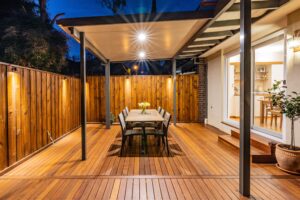
Wood is a classic material for patio roofing structures. It adds warmth, natural beauty, and a timeless look. Wooden beams, rafters, and ceiling details can make an outdoor patio feel elegant and custom-built.
Wood works well with traditional homes, rustic designs, farmhouse patios, and garden spaces. It can be stained or painted to match the home.
However, wood requires maintenance. It may need sealing, staining, or protection from moisture, insects, and sun damage. In humid or rainy climates, proper treatment is especially important.
Glass Patio Roof
A glass patio roof can create a bright and premium outdoor area. It allows natural light while providing rain protection. Glass roofing is often used in modern homes, garden rooms, and luxury patio designs.
The main advantage is appearance. Glass can look elegant and high-end. It also keeps the patio bright.
The downsides are cost, cleaning, heat, and installation complexity. Glass must be strong, properly supported, and safe for overhead use. It may also require shading solutions in very sunny climates.
Fabric Patio Roof
Fabric patio covers include shade sails, awnings, canopies, and outdoor fabric structures. These are often more affordable and easier to install than permanent roofs.
Fabric covers are good for shade, style, and seasonal use. They come in many colors and shapes, making them useful for creative backyard designs.
However, fabric does not offer the same durability as solid roofing. It may fade, stretch, tear, or need replacement over time. It may also need to be removed during harsh weather.
Choosing the Best Patio Roofing Material
The best patio roofing material depends on several factors. Climate is one of the most important. In hot sunny areas, shade and heat reduction may matter most. In rainy areas, waterproofing and drainage become more important. In snowy areas, structural strength is essential.
Budget is also important. Fabric and corrugated metal covers are often more affordable. Solid roofs, insulated panels, glass roofs, and motorized louvered systems usually cost more.
Home style should also guide the choice. A modern home may look best with metal, glass, or louvered roofing. A rustic home may look better with wood. A traditional home may benefit from a roof that matches the main house.
Maintenance should not be ignored. Some materials need regular care, while others are more low-maintenance.
Attached vs Freestanding Patio Roof
A patio roof can be attached to the house or built as a freestanding structure.
An attached patio roof connects directly to the home. It can feel like an extension of the interior living space. It is convenient because people can walk from inside the house to the patio while staying covered.
A freestanding patio roof stands separately in the yard. It may cover a seating area, outdoor kitchen, poolside lounge, or garden space. This option is useful when the patio is not directly beside the house.
Attached roofs may require careful waterproofing where the roof meets the home. Freestanding roofs may need strong posts and footings. Both options should be designed properly for safety and durability.
Patio Roofing for Hot Weather
In hot climates, shade and ventilation are very important. A solid roof can block direct sunlight, but it may also trap heat if airflow is poor. Good design should allow air movement.
Insulated panels, light-colored roofing, pergolas with shade fabric, and louvered systems can work well in hot areas. Ceiling fans can also make the space more comfortable.
Homeowners should also think about sun direction. A roof that blocks midday sun may not block low evening sun. Side screens, curtains, plants, or privacy panels may help.
Patio Roofing for Rainy Weather
In rainy areas, waterproof roofing and drainage are key. A patio roof should be sloped correctly so water does not collect. Gutters and downspouts may be needed to move water away from the patio and foundation.
Solid roofs, metal panels, polycarbonate sheets, and insulated panels can work well for rain protection. Pergolas and fabric covers may need upgrades if full waterproofing is required.
It is also important to choose materials that resist moisture damage. Wood should be sealed, metal should be corrosion-resistant, and connections should be properly flashed.
Patio Roofing for Windy Areas
Wind can be a serious issue for patio roofing. Lightweight covers, fabric awnings, and shade sails may not be suitable for high-wind locations unless designed and anchored properly.
Permanent roofs need strong posts, beams, fasteners, and footings. Homeowners in windy areas should consider local building codes and professional installation.
A poorly secured patio roof can become dangerous during storms. Strength and safety should come before appearance.
Patio Roofing Design Ideas
Outdoor patio roofing can be designed in many styles. A simple roof can provide shade, but a thoughtful design can transform the entire backyard.
A modern patio may use clean lines, black metal framing, flat roofing, and warm lighting. A rustic patio may include wood beams, stone flooring, and natural furniture. A coastal patio may use white posts, light roofing, and airy fabrics.
Lighting can make a patio roof more useful at night. Recessed lights, string lights, pendant lights, and wall lights can create a welcoming atmosphere. Ceiling fans can add comfort during warm months.
Plants can also improve the design. Hanging plants, climbing vines, potted greenery, and garden borders can soften the look of the roof and make the patio feel natural.
Outdoor Patio Roofing With an Outdoor Kitchen
A covered patio is especially useful for outdoor kitchens. Roofing protects grills, counters, appliances, and dining areas from sun and rain.
For outdoor kitchens, ventilation is very important. Heat, smoke, and steam need space to escape. The roofing material should also be suitable for the cooking area.
Metal, solid roofing, and insulated panels can work well, but the layout must be planned carefully. Lighting, electrical outlets, fans, and drainage may also be needed.
Outdoor Patio Roofing for Dining Areas
A patio dining area becomes much more useful with a roof. It protects meals from direct sun and light rain, making outdoor dining more comfortable.
For dining patios, the roof should provide enough coverage for the table and chairs. There should also be enough space around the dining area so people can move easily.
Soft lighting can improve evening meals. A ceiling fan may help during warm weather. If privacy is needed, side curtains or screens can make the space feel more intimate.
Outdoor Patio Roofing for Small Backyards
Small backyards can still benefit from patio roofing. In fact, a roof can make a small outdoor area feel more intentional and useful.
For small spaces, simple designs usually work best. A compact pergola, slim metal cover, or clear polycarbonate roof can provide comfort without making the yard feel crowded.
Light colors, open sides, and transparent roofing can help the space feel larger. Built-in benches and vertical plants can also save space.
Outdoor Patio Roofing for Large Backyards
Large backyards allow more design flexibility. Homeowners may create multiple zones, such as a covered dining area, lounge space, fire pit area, and outdoor kitchen.
A larger patio roof may include separate lighting zones, ceiling fans, built-in speakers, and privacy walls. The structure can become a major feature of the backyard.
For large spaces, proportion matters. A very small roof may look out of place, while an oversized roof may feel heavy. The design should match the scale of the home and yard.
Cost Factors for Outdoor Patio Roofing
The cost of outdoor patio roofing can vary widely. A simple fabric shade or basic metal cover may cost much less than a custom-built solid roof or motorized louvered system.
Major cost factors include:
Material choice
Size of the patio
Attached or freestanding design
Labor costs
Permits
Roof pitch and drainage
Electrical work
Lighting and fans
Gutters
Custom finishes
Local climate requirements
Homeowners should get multiple quotes and compare what is included. A cheaper option may not include permits, drainage, electrical work, or finishing details.
Maintenance Tips for Patio Roofing
Maintenance depends on the roofing material. Metal roofs should be checked for loose fasteners, rust, and debris. Polycarbonate panels should be cleaned carefully to avoid scratches. Wood structures need sealing or staining. Fabric covers may need washing and seasonal storage.
Gutters should be cleaned regularly if the roof has a drainage system. Leaves, dirt, and debris can block water flow and cause damage.
It is also wise to inspect the roof after storms. Look for loose panels, cracks, leaks, or movement in the structure.
Common Mistakes to Avoid
One common mistake is choosing a patio roof based only on appearance. A roof may look good but fail to provide enough shade, ventilation, or rain protection.
Another mistake is ignoring drainage. Water must flow away from the roof and home. Poor drainage can cause leaks, stains, or foundation problems.
Some homeowners also underestimate the importance of permits and building codes. Depending on location, a patio roof may require approval. Skipping this step can create problems later.
Choosing low-quality materials is another issue. Outdoor roofing is exposed to sun, rain, wind, and temperature changes. Cheap materials may wear out quickly.
Should You Hire a Professional?
Some simple patio covers can be installed by experienced DIY homeowners. However, larger or permanent roofs are usually better handled by professionals.
A professional can help with structural design, permits, drainage, flashing, anchoring, and safety. This is especially important for attached roofs, heavy materials, electrical work, or areas with strong wind or snow.
Hiring a professional may cost more upfront, but it can reduce the risk of leaks, structural problems, and costly repairs.
Is Outdoor Patio Roofing Worth It?
Outdoor patio roofing can be worth it for many homeowners. It makes the patio more comfortable, protects furniture, improves backyard usability, and can add visual appeal to the home.
The best value comes from choosing a roof that matches the climate, home style, and real use of the space. A family that eats outside often may benefit from a solid dining cover. Someone who wants flexible shade may prefer a retractable awning. A homeowner who wants a premium outdoor room may choose insulated panels or a louvered roof.
The right patio roof is not just a cover. It is an upgrade to the way the outdoor space is used.
Frequently Asked Questions About Outdoor Patio Roofing
What is the best roofing material for an outdoor patio?
The best material depends on your needs. Metal is durable, polycarbonate allows natural light, wood looks warm and classic, and insulated panels offer better comfort.
Is a patio roof better than a pergola?
A solid patio roof provides more protection from rain and sun. A pergola offers partial shade and a more open design. The better choice depends on how much coverage you want.
Can a patio roof be attached to a house?
Yes, many patio roofs are attached to the house. Proper flashing, drainage, and structural support are important to prevent leaks and damage.
What is the cheapest way to cover a patio?
Fabric shade sails, awnings, and basic metal covers are often more affordable than custom solid roofs. However, durability and weather protection may be lower.
Does patio roofing increase home value?
A well-built covered patio can improve outdoor living space and may make a home more attractive to buyers. Actual value depends on quality, design, and local market.
Can you put a roof over an existing patio?
Yes, in many cases a roof can be added over an existing patio. The structure, foundation, drainage, and local building rules should be checked first.
Is polycarbonate good for patio roofing?
Polycarbonate can be a good choice if you want rain protection while still allowing natural light. Tinted or UV-protected panels are often better for sunny areas.
Do I need a permit for patio roofing?
Permit requirements depend on location, size, structure type, and whether the roof is attached to the home. It is best to check local rules before building.
How long does a patio roof last?
Lifespan depends on material and maintenance. Metal and solid roofs can last many years, while fabric covers may need replacement sooner.
What is the best patio roof for hot weather?
Light-colored roofing, insulated panels, pergolas with shade fabric, and louvered systems can work well in hot climates. Good airflow is also important.






Leave a Reply