
Last updated:
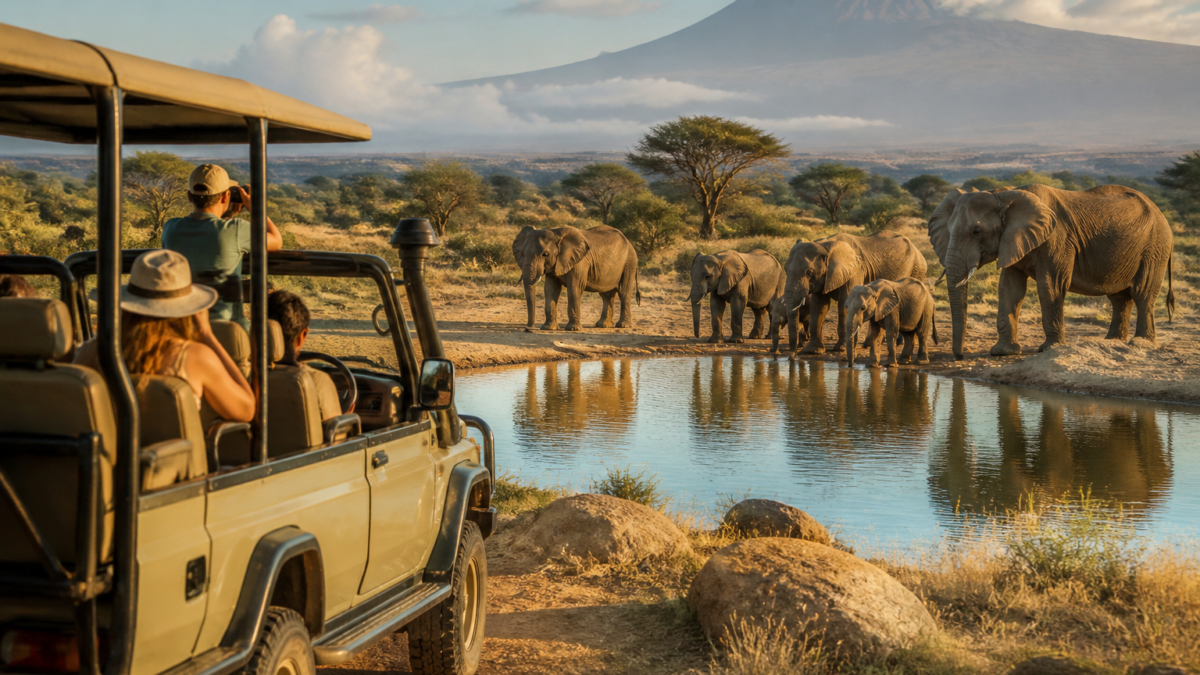
Few travel experiences compare to an African safari—the thrill of encountering wildlife in their natural habitat, the grandeur of unspoiled landscapes, and the sheer variety of ecosystems all combine for an unforgettable adventure. With several world-class national parks and reserves spanning the continent, choosing the best safari can feel overwhelming. This guide highlights Africa’s premier safari destinations—Serengeti National Park in Tanzania, the Okavango Delta in Botswana, and Addo Elephant National Park in South Africa—showcasing their unique wildlife spectacles, ideal visiting periods, and essential planning tips. Whether you’re chasing the drama of the Great Migration, gliding through flooded wetlands, or seeking a malaria-free family adventure, you’ll discover which African safari matches your dream expedition.
Serengeti National Park, Tanzania: Witness the Great Migration
The Serengeti National Park stands as one of Africa’s iconic wildlife sanctuaries, a vast landscape of savannah teeming with life. Its star attraction is the Great Migration, an epic cycle where over 1.5 million wildebeest, zebra, and gazelle traverse the plains in search of fresh grazing. If witnessing stampedes and dramatic river crossings is your dream, timing is key—river crossings along the Mara River usually occur late July to September, offering some of the world’s most breathtaking wildlife action [source]. Earlier in the year, from January to March, the southern plains host calving season, drawing predators and framing tender scenes of new life [source].
- Highlights: The Great Wildebeest Migration, Big Five sightings (lion, leopard, elephant, buffalo, rhino), hot air balloon safaris, professional-guided photography tours.
- Best time for migration spectacle: Late July–September for river crossings.
- Calving season: January–March in the southern Serengeti.
Okavango Delta, Botswana: Safari on the Water
The Okavango Delta is a rare inland oasis—a labyrinthine network of channels, lagoons, and islands. This UNESCO World Heritage Site offers a deeply immersive safari, especially when the annual floodwaters from Angola transform the landscape from July to October. Animals congregate on islands amid receding waters, while tranquil mokoro (dugout canoe) excursions grant intimate wildlife encounters. While May is a good value shoulder month, the absolute prime time for wildlife viewing, boat, and mokoro safaris is July–October when the flood is at its peak [source][source].
- Highlights: Mokoro canoe safaris, guided bush walks, predator and birdwatching, remote luxury camps.
- Best time for water-based safari: July–October (flood peak).
- Shoulder season: May and possibly early November for lower rates and fewer crowds.
Addo Elephant National Park, South Africa: Home of the Big Seven
In South Africa’s Eastern Cape, Addo Elephant National Park holds a special distinction: it is the only park where visitors can spot the Big Seven—lion, leopard, elephant, rhino, buffalo (the Big Five) plus great white sharks and southern right whales. This unique combination results from Addo’s expansion to include a marine reserve and coastal islands, sheltering penguin and gannet colonies as well [source]. Between June and November, southern right whales frequent nearby Algoa Bay, with the densest numbers usually seen from August through September. Great white sharks are present year-round, most active April to September [source]. Families prize Addo for its malaria-free status and easy self-drive accessibility [source].
- Highlights: Big Seven sightings, marine boat excursions for whales/sharks, self-drive and guided tours, birdwatching (penguins, gannets), no malaria risk.
- Best time for whale watching: June–November (peak August–September).
- Best time for shark viewing: April–September.
Comparison Table: Best Safari Destinations and Seasons
| Park | Wildlife Highlights | Best Time to Visit | Unique Features |
|---|---|---|---|
| Serengeti (Tanzania) | Great Wildebeest Migration, Big Five | Calving: Jan–Mar, Crossing: Jul–Sep | Greatest migration spectacle on Earth |
| Okavango Delta (Botswana) | Elephant, hippo, predators, aquatic birds | Jul–Oct (flood), May (shoulder) | Mokoro & boat safaris amid peak flood |
| Addo Elephant NP (South Africa) | Big Seven, marine mammals & birds | Whales: Jun–Nov, Sharks: Apr–Sep | Only “Big 7” park, malaria-free |
Choosing Your Best African Safari: Key Factors
- Timing: Migration spectacles, flooding, and whale season are all seasonal—match your visit to the events you most want to see.
- Travel Style: Choose between adventurous tented camps, luxury lodges, or self-drive options according to budget and comfort.
- Malaria Risk: Addo is malaria-free—a crucial consideration for families and travelers with health concerns.
- Marine and Birdlife: If marine “safaris” and birdwatching are priorities, Addo’s expanded terrain sets it apart.
- Accessibility: Some parks—particularly in South Africa—offer easier access and developed infrastructure; others are wilder but more remote.
Savvy Planning Checklist: Prepare for Your Safari
- Check park and international border entry requirements.
- Pack neutral, breathable clothing, binoculars, camera, insect repellent, and sun protection.
- Book peak season accommodations well in advance, especially for migration and flood-viewing periods.
- Confirm malaria prevention needs (note: Addo is malaria-free).
- Consider extending your trip for marine/whale tours in Addo or cultural visits in Tanzania/Kenya.
- Ask your operator about mokoro or balloon activities and age/fitness restrictions.
FAQs: Best Safari Tours in Africa
Q1: When is the best time for a safari in the Serengeti?
A: The Serengeti’s peak wildlife spectacle—wildebeest river crossings—occurs late July through September. January to March offers exceptional viewing of calves and predator activity. Note that exact timings shift with rainfall patterns [source].
Q2: What makes the Okavango Delta a unique safari destination?
A: The Okavango offers a water-based safari unlike anywhere else, with seasonal flooding creating a haven for mokoro canoeing and lush islands hosting concentrated wildlife. The best time for these experiences is July–October, when floods peak [source].
Q3: Are there malaria-free safari destinations in Africa?
A: Yes—Addo Elephant National Park in South Africa is malaria-free, making it a top choice for families and anyone concerned about mosquito-borne diseases [source].
Q4: Can I see both whales and land mammals on safari in Africa?
A: Addo National Park is unique in offering both experiences. Southern right whales are seen June–November, peaking August–September, while land safaris deliver classic Big Five sightings [source].
Q5: What is a mokoro safari?
A: A mokoro safari is a guided journey through the Okavango’s flooded channels using a dugout canoe. It allows for silent, close-up wildlife viewing and is only possible during periods of high water, mainly July–September [source].
Q6: Is self-driving allowed in these parks?
A: Self-drive safaris are possible in several parks, notably Addo and the Serengeti (though guided tours are recommended for first-timers). Always check regulations and route conditions in advance.
Q7: How far in advance should I book a safari during peak times?
A: To secure the best camps and lodges, aim to book at least 6–12 months ahead for the Serengeti migration (July–September) and Okavango Delta flood peak (July–October), as availability fills fast.
Conclusion: Your African Safari Adventure Awaits
Few places on Earth rival the drama and enchantment of Africa’s safari destinations. Whether you’re drawn to the thundering herds of the Serengeti, the tranquil labyrinths of the Okavango Delta, or Addo’s rare land-and-marine “Big Seven” assemblage, Africa offers a safari tailored to every interest and comfort level. By considering key timing, park features, and your own expectations, your journey will hold memories to last a lifetime. Let the call of the wild guide your next adventure!










Leave a Reply