
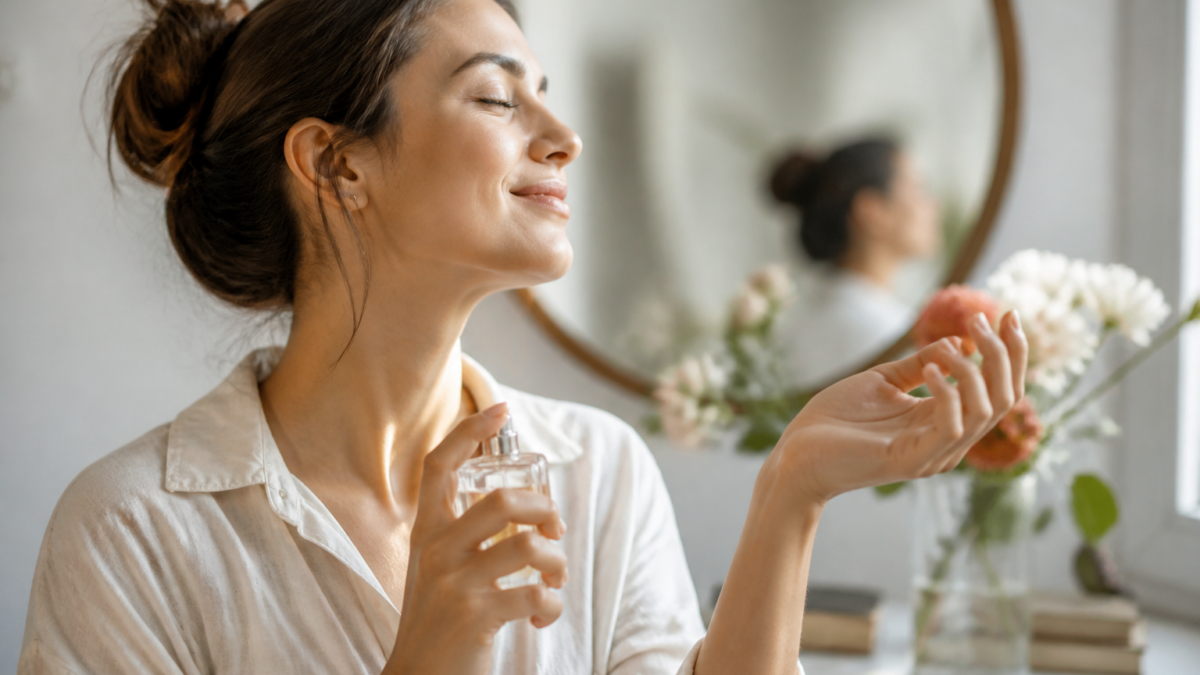
Fragrance has played a role in personal care, cultural traditions, celebrations, and daily routines for centuries. Today, perfume, cologne, body mist, scented lotions, and essential-oil products are widely used to express personality and create a familiar sensory experience.
Many people also describe fragrance as uplifting, calming, comforting, or energizing. Those experiences can be meaningful, but they are not identical for everyone. A scent that feels relaxing to one person may seem too strong or unpleasant to another, and fragrance should not be treated as a guaranteed treatment for anxiety, insomnia, fatigue, or any other health condition.

This guide explains the potential benefits of fragrance in practical, evidence-aware terms. It also covers how scent interacts with memory and emotion, how fragrance can support confidence and self-expression, and what to consider before applying scented products to your skin or using them around other people.
How Fragrance Can Affect the Way You Feel
Smell is closely connected with the brain systems involved in emotion, learning, and memory. That is one reason a familiar aroma can produce an immediate personal reaction. The response may come from the scent itself, an association formed over time, or the expectations a person has about that fragrance.
For example, the smell of citrus may remind someone of a clean kitchen or a summer vacation, while vanilla may be associated with baking or family gatherings. These connections can influence how a person interprets a fragrance, which helps explain why scent preferences are highly individual.
Research on scent and mood has explored possible links between certain aromas and short-term changes in how people report feeling. However, results can vary based on the specific fragrance, concentration, setting, personal history, and expectations. It is more accurate to say that fragrance may contribute to a desired atmosphere than to promise a predictable psychological or medical effect.
1. Fragrance May Support a More Positive Mood
One of the most common reasons people wear fragrance is to create a pleasant sensory experience. A scent that a person enjoys can make a routine feel more special, whether it is applied before work, during a morning shower, or before going out in the evening.
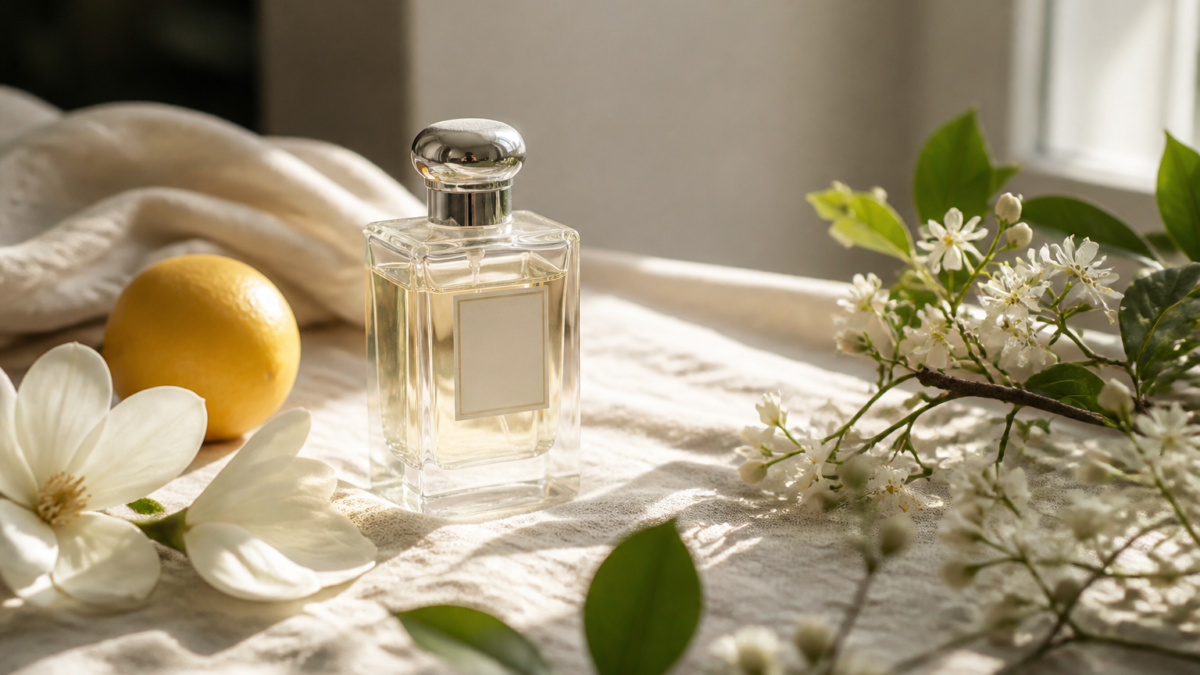
Fresh fragrance families, including some citrus, green, aquatic, and herbal compositions, are often perceived as bright or refreshing. Floral, gourmand, woody, and musky scents may feel warm, familiar, elegant, or comforting depending on the wearer and the surrounding context.
These descriptions are not universal rules. The same lemon, rose, lavender, or sandalwood note can smell very different when blended with other ingredients, and a fragrance may change as it develops on the skin. Personal memories and cultural associations also affect whether a scent feels pleasant.
How to use fragrance for a mood-setting routine
- Choose a scent you genuinely enjoy rather than selecting one solely because it is described as energizing or calming.
- Use a small amount at first so the fragrance remains comfortable for you and people nearby.
- Keep different options for different settings, such as a light daytime scent and a richer evening fragrance.
- Notice how you feel after wearing a scent for several hours, since the opening notes may change over time.
2. Fragrance Can Strengthen Personal Confidence
Fragrance is sometimes described as an “invisible accessory” because it is not seen, yet it can become part of a person’s overall presentation. Wearing a familiar scent may help someone feel prepared, polished, or more connected to their personal style.
This confidence effect is usually subjective. It may come from enjoying the aroma, following a familiar grooming routine, or feeling that the fragrance fits a particular occasion. A scent cannot guarantee social approval or make a person more attractive, but it can be one element of a broader self-care and presentation routine.
For professional environments, moderation matters. Strong projection can be distracting in offices, classrooms, medical settings, restaurants, and shared transportation. A fragrance that feels subtle to the wearer may be much stronger to someone nearby, especially indoors.
3. Scent Is Closely Connected With Memory
Fragrance often feels unusually personal because smell can bring back an impression of a place, time, or person with surprising speed. A particular soap, sunscreen, flower, spice, or perfume may recall a holiday, a family member, a former home, or an important event.
Memory responses are not always positive. Some fragrances may remind people of unpleasant experiences or trigger discomfort. That is another reason fragrance preferences should be treated as personal rather than universal.
People can also intentionally build new associations with a scent. Wearing the same fragrance during a meaningful season, trip, celebration, or daily routine may make that aroma part of the memory of the experience. This does not mean the fragrance has a guaranteed effect on memory; instead, it becomes one sensory detail connected to events that matter to the individual.
4. Aromatherapy Claims Need Realistic Expectations
Essential oils and fragrance products are often marketed around relaxation, focus, sleep, or emotional balance. Some people enjoy these aromas as part of a calming routine, but evidence and individual responses vary. Smelling lavender, chamomile, rose, eucalyptus, or sandalwood should not be presented as a substitute for medical care or professional mental-health support.
It is also important to distinguish between enjoying a fragrance and using a concentrated essential oil. Essential oils are highly concentrated substances, and “natural” does not automatically mean risk-free. Certain oils may irritate the skin, cause allergic reactions, worsen respiratory symptoms, or be unsafe for children and pets in particular circumstances.
If you are using essential oils, follow the product label and use a method appropriate for that product. Do not swallow essential oils unless a qualified healthcare professional specifically directs you to do so. People with asthma, fragrance sensitivity, allergies, migraine triggers, or other health concerns should be especially cautious.
5. Fragrance May Help Create a Relaxing Routine
A relaxing routine often works because it creates a consistent transition between activities. Applying a gentle scent before reading, taking a bath, practicing breathing exercises, or preparing for bed may serve as a personal cue to slow down.
The routine itself may be more important than any promised property of a particular ingredient. Lower lighting, reduced screen use, comfortable clothing, and a regular bedtime can also contribute to a calmer environment. Fragrance may complement these habits, but it should not be described as a proven way to treat insomnia or guarantee better sleep.
If a scent causes congestion, headaches, nausea, coughing, or skin irritation, stop using it. A relaxing product is not useful if your body reacts negatively to it.
6. Different Fragrance Families Create Different Impressions
Fragrance descriptions can help shoppers narrow their choices, although they should be viewed as general guidance rather than fixed outcomes.
- Citrus: Often described as crisp, bright, or refreshing.
- Floral: May range from soft and powdery to fresh, sweet, or dramatic.
- Woody: Commonly associated with dry, earthy, warm, or polished impressions.
- Gourmand: Frequently includes sweet notes that may suggest vanilla, caramel, chocolate, or baked goods.
- Green and herbal: Can feel fresh, leafy, sharp, or outdoorsy.
- Aquatic: Often intended to suggest clean, airy, or water-inspired impressions.
Labels such as “fresh,” “warm,” “clean,” or “sensual” are marketing language and personal descriptors, not guarantees. Testing a fragrance on a paper strip can be useful, but skin chemistry, temperature, and natural oils can change how it smells. If possible, test a small amount and wait before deciding.
7. Fragrance Can Complete a Personal-Care Routine
For many people, fragrance is the final step after bathing, moisturizing, styling hair, or getting dressed. It can provide a sense of completion and help distinguish a casual routine from a special occasion.
Application does not need to be excessive. Common approaches include applying fragrance to pulse points or lightly misting it into the air and walking through, depending on the product directions. Avoid spraying near the eyes, mouth, broken skin, or irritated areas. Some fragrance ingredients can also make skin more sensitive to sunlight, so read the label and consider using clothing rather than exposed skin when appropriate.
Storage matters as well. Heat, direct sunlight, and repeated exposure to air can affect a fragrance over time. Keeping the bottle closed and storing it in a cool, dry place may help preserve its character.
Choosing Fragrance With Other People in Mind
Good fragrance etiquette is part of responsible use. Not everyone enjoys scented products, and some people experience headaches, respiratory discomfort, nausea, or allergic reactions around fragrance. In shared spaces, a lighter application is usually the more considerate choice.
Consider the environment before applying a strong scent. Fragrance-free policies may apply in workplaces, schools, healthcare facilities, gyms, and public programs. When in doubt, choose a subtle amount or skip fragrance altogether.
Affiliate Disclosure and Shopping Context
Disclosure: This article may contain an affiliate link. If you purchase through the link, the publisher may receive compensation at no additional cost to you. Product availability, ingredients, prices, and retailer policies can change, so review the current product page and label before buying.
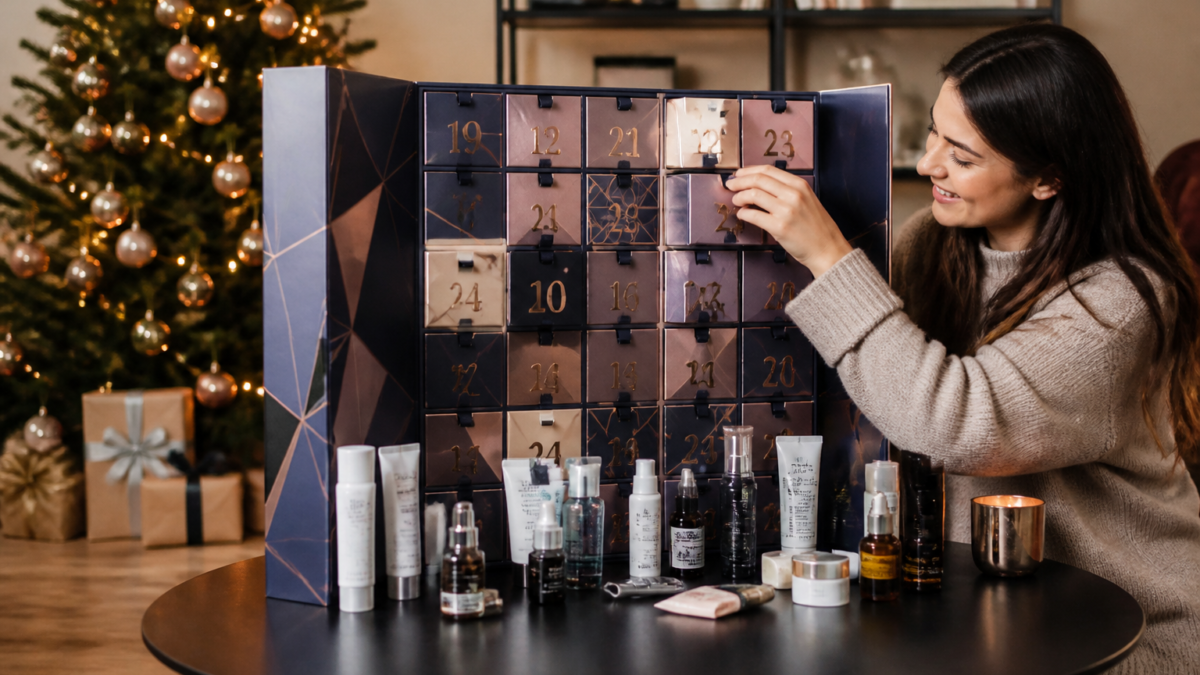
When shopping for fragrance, compare the product type, size, ingredient information, return policy, and intended use. A fragrance discovery set or beauty gift collection can be a practical way to sample multiple scent styles, but personal preference is still the best guide. Do not assume that a higher price, “natural” label, or popular scent will make a product better suited to you.
Frequently Asked Questions
Can fragrance reduce anxiety?
A pleasant scent may help some people feel more comfortable as part of a personal relaxation routine, but fragrance is not a guaranteed treatment for anxiety. Anyone experiencing persistent or severe anxiety should consider speaking with a qualified healthcare professional.
Can fragrance improve sleep?
A calming bedtime routine that includes a familiar scent may feel helpful to some people. However, fragrance should not be promoted as a reliable treatment for sleep problems. Stop using any product that causes irritation, congestion, coughing, or discomfort.
What should I do if fragrance irritates my skin?
Stop using the product and gently wash the area if needed. Avoid applying fragrance to broken or irritated skin. Seek medical advice for significant, persistent, or worsening symptoms, especially swelling, hives, breathing difficulty, or other signs of a serious reaction.
How much perfume or cologne should I wear?
Start with a small amount and consider the setting. You can add more later, but you cannot easily remove an excessive application. Shared indoor spaces generally call for a lighter approach.
The Bottom Line
The benefits of fragrance are mainly personal, sensory, and social. A scent may help someone feel more put together, create a pleasant routine, recall a meaningful memory, or express an individual style. Some people also enjoy fragrance as part of relaxation or self-care.
At the same time, fragrance does not produce identical results for everyone, and aromatherapy claims should be approached carefully. Choose products based on your preferences and sensitivities, use them as directed, respect fragrance-free environments, and treat scent as a complement to well-being—not a replacement for medical or mental-health care.
n









Leave a Reply