
Parathyroid symptoms can be confusing because they often look like symptoms of many other health problems. A person may feel tired, weak, achy, thirsty, anxious, foggy, constipated, or have muscle cramps and tingling. These symptoms may not immediately point to the parathyroid glands, but the parathyroid system plays an important role in keeping calcium levels balanced in the body.
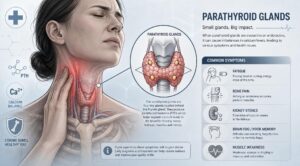
The parathyroid glands are four tiny glands located near the thyroid gland in the neck. Even though they are small, they have a major job. They produce parathyroid hormone, also called PTH. This hormone helps control calcium and phosphorus levels in the blood. Calcium is important for bones, muscles, nerves, heart rhythm, and many other body functions.
When parathyroid hormone is too high or too low, calcium levels can become abnormal. Too much parathyroid hormone can cause high calcium levels. Too little parathyroid hormone can cause low calcium levels. Both situations can lead to symptoms.
This article explains common parathyroid symptoms, the difference between overactive and underactive parathyroid glands, warning signs, possible causes, testing, and when to speak with a healthcare professional. This information is for general education only and should not replace medical advice, diagnosis, or treatment from a qualified healthcare provider.
What Are the Parathyroid Glands?
The parathyroid glands are small glands located behind or near the thyroid gland in the neck. Most people have four parathyroid glands, though the number and exact position can vary.
The parathyroid glands are not the same as the thyroid gland. The thyroid controls metabolism through thyroid hormones. The parathyroid glands control calcium balance through parathyroid hormone.
Parathyroid hormone helps regulate calcium by affecting bones, kidneys, and vitamin D activation. When blood calcium is too low, the parathyroid glands usually release more PTH. When blood calcium is high enough, PTH should decrease.
This balance is important because calcium levels that are too high or too low can affect the whole body.
Why Parathyroid Symptoms Happen
Parathyroid symptoms usually happen because parathyroid hormone levels are abnormal. This can cause calcium levels to become too high or too low.
There are two major categories:
Hyperparathyroidism means the parathyroid glands make too much PTH.
Hypoparathyroidism means the parathyroid glands make too little PTH.
These two conditions can cause very different symptoms because one is linked with high calcium and the other is linked with low calcium.
Parathyroid symptoms may also develop slowly. Some people have mild symptoms for years before the condition is found on routine blood tests. Others develop more obvious symptoms, especially if calcium levels become significantly abnormal.
Hyperparathyroidism Symptoms
Hyperparathyroidism happens when one or more parathyroid glands become overactive and produce too much parathyroid hormone. This can raise calcium levels in the blood.
Some people with hyperparathyroidism have few or no symptoms at first. Others may have symptoms that affect energy, bones, kidneys, digestion, mood, and thinking.
Common symptoms may include fatigue, weakness, bone pain, joint pain, kidney stones, frequent urination, increased thirst, constipation, nausea, abdominal pain, depression, anxiety, memory problems, and trouble concentrating.
Because these symptoms can be vague, hyperparathyroidism may be found during routine blood work showing high calcium.
Fatigue and Low Energy
Fatigue is one of the most common complaints people report with parathyroid problems, especially hyperparathyroidism. This may feel like deep tiredness that does not improve with normal rest.
A person may wake up tired, feel drained during the day, or struggle to complete normal tasks. Fatigue can also affect mood, motivation, work, exercise, and social life.
Fatigue alone does not mean someone has a parathyroid condition. It can happen with sleep problems, anemia, thyroid disease, depression, infection, stress, vitamin deficiencies, diabetes, kidney disease, and many other conditions. But when fatigue appears with high calcium, bone pain, kidney stones, excessive thirst, or frequent urination, parathyroid testing may be considered.
Muscle Weakness
Muscle weakness can occur when calcium balance is disrupted. People may feel that their legs are heavy, climbing stairs is harder, or everyday movement feels more tiring than before.
Weakness may be mild at first. Some people describe it as feeling older than usual or losing strength without a clear reason.
Muscle weakness should be evaluated if it is persistent, worsening, or paired with other symptoms such as fatigue, constipation, kidney stones, or abnormal calcium levels.
Bone Pain and Bone Loss
The parathyroid hormone affects bones because calcium is stored in bone tissue. When PTH is too high for too long, calcium may be pulled from the bones into the blood. Over time, this may contribute to bone thinning.
Some people with hyperparathyroidism may experience bone pain, fractures, or osteoporosis. Others may not feel bone symptoms but may show bone loss on a bone density scan.
Bone symptoms are especially important in older adults, postmenopausal women, and people with fracture history. If a person has unexplained osteoporosis or repeated fractures, a doctor may check calcium and PTH levels.
Joint Pain and Body Aches
Parathyroid problems may cause general aches and pains. Some people feel joint discomfort, muscle aches, or a flu-like body heaviness.
These symptoms can easily be mistaken for arthritis, aging, fibromyalgia, vitamin D deficiency, or general fatigue. That is why blood tests are important when symptoms are persistent or unexplained.
Joint pain alone does not confirm a parathyroid problem, but it may be one piece of the larger picture.
Kidney Stones
Kidney stones are one of the more recognizable signs linked with hyperparathyroidism. High calcium levels can increase the risk of calcium-based kidney stones.
A kidney stone may cause severe side or back pain, pain that moves toward the lower abdomen or groin, nausea, vomiting, blood in urine, burning with urination, or frequent urination.
Some people discover hyperparathyroidism after having kidney stones or after imaging shows stones. Others may have high calcium found before stones develop.
Kidney stone symptoms can be very painful and should be evaluated by a healthcare professional.
Frequent Urination and Increased Thirst
High calcium levels can affect the kidneys and fluid balance. Some people with hyperparathyroidism may urinate more often than usual and feel unusually thirsty.
This symptom can be mistaken for diabetes, high fluid intake, urinary tract problems, medication effects, or kidney issues. Testing is needed to find the cause.
If frequent urination and thirst appear with fatigue, constipation, kidney stones, or high calcium, parathyroid disease may be considered.
Digestive Symptoms
Parathyroid problems, especially high calcium, can affect digestion. Symptoms may include constipation, nausea, loss of appetite, stomach discomfort, acid reflux-like symptoms, or abdominal pain.
Constipation is a common symptom of high calcium. Some people may also feel bloated or uncomfortable after eating.
Digestive symptoms are common in many conditions, so they should not be assumed to be parathyroid-related. But unexplained digestive problems with abnormal calcium levels should be discussed with a doctor.
Mood Changes, Anxiety, and Depression
Calcium imbalance can affect the nervous system and mood. Some people with parathyroid disorders report anxiety, depression, irritability, low motivation, brain fog, or emotional changes.
These symptoms can be frustrating because they may be treated as purely psychological when there may also be a physical contributor. At the same time, mood symptoms can have many causes, so evaluation should be broad and careful.
If mood changes occur with fatigue, memory problems, high calcium, bone pain, or kidney stones, parathyroid testing may be part of the workup.
Brain Fog and Memory Problems
Some people with hyperparathyroidism describe trouble concentrating, forgetfulness, mental slowing, or brain fog. They may feel less sharp than usual or struggle with tasks that were previously easy.
Brain fog can have many causes, including poor sleep, stress, menopause, medication effects, depression, thyroid disease, anemia, vitamin deficiency, and autoimmune disease. However, calcium imbalance can also play a role.
Persistent cognitive symptoms should be discussed with a healthcare professional, especially when paired with abnormal lab results.
Hypoparathyroidism Symptoms
Hypoparathyroidism is different from hyperparathyroidism. It happens when the body does not make enough parathyroid hormone. This can cause low calcium levels and high phosphorus levels.
Low calcium can affect muscles and nerves. Symptoms may include tingling, numbness, muscle cramps, twitching, spasms, fatigue, dry skin, brittle nails, hair changes, anxiety, depression, headaches, and in severe cases seizures or heart rhythm problems.
Hypoparathyroidism is less common than hyperparathyroidism. It may happen after neck surgery, thyroid surgery, autoimmune disease, genetic conditions, or damage to the parathyroid glands.
Tingling and Numbness
Tingling and numbness are common symptoms of low calcium. A person may feel tingling around the mouth, in the fingertips, toes, hands, or feet.
This sensation may come and go or become more noticeable during stress, illness, or changes in calcium levels. It can feel like pins and needles.
Tingling can have many causes, including nerve compression, diabetes, vitamin B12 deficiency, anxiety, circulation problems, or medication effects. But when it occurs with muscle cramps or low calcium, hypoparathyroidism may be considered.
Muscle Cramps and Spasms
Low calcium can make nerves and muscles more irritable. This can lead to muscle cramps, twitching, spasms, or painful tightening.
Some people may experience cramps in the hands, feet, legs, face, or throat area. Severe spasms can be frightening and may require urgent care.
Muscle cramps are common and can happen from dehydration, exercise, electrolyte imbalance, medications, or nerve problems. But repeated cramps with tingling or low calcium should be medically evaluated.
Tetany
Tetany is a more severe form of muscle spasm linked with low calcium. It may cause painful contractions, hand or foot spasms, facial twitching, or muscle stiffness.
Tetany can be a sign of significant calcium imbalance and should be taken seriously. If spasms are severe, involve breathing difficulty, or occur with confusion or seizures, emergency care may be needed.
Seizures or Severe Neurological Symptoms
Severe low calcium can increase the risk of seizures. This is a serious symptom that needs urgent medical evaluation.
Other severe symptoms may include confusion, fainting, severe weakness, or abnormal heart rhythm symptoms such as palpitations or chest discomfort.
Anyone with seizures, severe confusion, trouble breathing, chest pain, or fainting should seek emergency medical care.
Dry Skin, Brittle Nails, and Hair Changes
Hypoparathyroidism may cause changes in skin, hair, and nails. Some people notice dry skin, brittle nails, coarse hair, hair thinning, or patchy hair loss.
These symptoms can develop slowly and may be mistaken for aging, thyroid disease, nutrient deficiency, or skin conditions.
When these changes occur with tingling, cramps, or known low calcium, they may be part of a parathyroid-related pattern.
Dental and Eye Problems
Long-term low calcium or chronic hypoparathyroidism may affect teeth or eyes in some people, especially when the condition begins early in life or is not well controlled.
Possible issues may include dental abnormalities, enamel problems, cataracts, or calcium deposits in certain tissues. These are not usually the first symptoms adults notice, but they may be part of long-term disease management.
Patients with known hypoparathyroidism should follow medical monitoring recommendations.
Parathyroid Symptoms in Women
Women may experience the same parathyroid symptoms as men, but some signs may be mistaken for menopause, stress, aging, or thyroid problems. Fatigue, mood changes, bone loss, sleep issues, and body aches may overlap with other conditions.
Primary hyperparathyroidism is often diagnosed in midlife or older adults, and bone health concerns may be especially important for postmenopausal women.
Women with unexplained osteoporosis, kidney stones, high calcium, or persistent fatigue should ask whether calcium and PTH testing is appropriate.
Parathyroid Symptoms in Men
Men can also develop parathyroid disorders. Symptoms may include fatigue, kidney stones, bone pain, weakness, digestive problems, mood changes, and low calcium symptoms such as tingling or cramps.
Because osteoporosis and calcium-related symptoms may be less expected in men, parathyroid problems may sometimes be missed. Men with kidney stones, bone loss, or repeated abnormal calcium levels should be evaluated.
Parathyroid Symptoms in Older Adults
In older adults, parathyroid symptoms can be subtle. Fatigue, weakness, confusion, constipation, bone pain, falls, mood changes, and memory issues may be blamed on aging.
However, abnormal calcium levels can affect older adults significantly. High calcium may increase dehydration risk, kidney problems, and cognitive symptoms. Low calcium may increase muscle spasms, weakness, or neurological symptoms.
Older adults with unexplained symptoms should have appropriate medical evaluation rather than assuming symptoms are only age-related.
Parathyroid Symptoms After Thyroid or Neck Surgery
Hypoparathyroidism can occur after thyroid surgery or other neck surgery if the parathyroid glands are damaged, removed, or lose blood supply. Sometimes this is temporary. In other cases, it may be long-term.
Symptoms after surgery may include tingling around the mouth, tingling in fingers or toes, muscle cramps, twitching, spasms, or unusual weakness.
Anyone who develops these symptoms after thyroid or neck surgery should contact their surgical team or healthcare provider promptly.
Hyperparathyroidism vs Hypoparathyroidism
Hyperparathyroidism and hypoparathyroidism sound similar but are opposite problems.
Hyperparathyroidism means too much parathyroid hormone. It often leads to high calcium. Symptoms may include fatigue, kidney stones, bone loss, constipation, thirst, frequent urination, mood changes, and brain fog.
Hypoparathyroidism means too little parathyroid hormone. It often leads to low calcium. Symptoms may include tingling, numbness, muscle cramps, spasms, fatigue, dry skin, brittle nails, and in severe cases seizures.
Understanding the difference matters because treatment and risks are different. Blood tests are needed to know which condition is present.
Parathyroid Symptoms vs Thyroid Symptoms
Many people confuse the parathyroid and thyroid glands because they are located close together in the neck. But they do different jobs.
The thyroid gland controls metabolism through thyroid hormones. Thyroid problems may cause weight changes, heat or cold intolerance, heart rate changes, hair changes, and energy problems.
The parathyroid glands control calcium through parathyroid hormone. Parathyroid problems often cause symptoms related to calcium imbalance, such as kidney stones, bone loss, constipation, thirst, frequent urination, tingling, cramps, or spasms.
Some symptoms overlap, such as fatigue and mood changes. That is why lab testing is important.
Causes of Hyperparathyroidism
Primary hyperparathyroidism often happens when one or more parathyroid glands become enlarged or develop a benign growth called an adenoma. This can cause the gland to release too much parathyroid hormone.
Secondary hyperparathyroidism can happen when another condition, such as chronic kidney disease or vitamin D deficiency, causes long-term low calcium signals that stimulate the parathyroid glands.
Rarely, parathyroid cancer can cause high PTH, but this is uncommon.
The cause matters because treatment depends on the type of hyperparathyroidism.
Causes of Hypoparathyroidism
Hypoparathyroidism may happen when the parathyroid glands are damaged or removed during neck surgery. This is one of the more common causes.
Other causes may include autoimmune disease, genetic conditions, low magnesium, radiation treatment to the neck, or rare developmental problems.
Because causes vary, doctors may check medical history, surgery history, calcium, phosphorus, magnesium, vitamin D, kidney function, and PTH levels.
How Doctors Test for Parathyroid Problems
Doctors usually begin with blood tests. These may include calcium, parathyroid hormone, phosphorus, vitamin D, magnesium, kidney function, and sometimes alkaline phosphatase.
Urine calcium testing may also be used in some cases. Bone density scans may be recommended if bone loss is a concern. Kidney imaging may be used if kidney stones are suspected.
If surgery is being considered for hyperparathyroidism, imaging tests may help locate an overactive gland. However, diagnosis usually depends first on lab results, not imaging alone.
When to See a Doctor
A person should consider seeing a doctor if they have persistent or unexplained symptoms such as fatigue, weakness, bone pain, kidney stones, frequent urination, unusual thirst, constipation, mood changes, tingling, numbness, muscle cramps, or spasms.
Medical evaluation is especially important if routine blood work shows high calcium or low calcium.
People with a history of thyroid surgery, neck surgery, kidney disease, osteoporosis, kidney stones, or abnormal calcium levels should ask whether parathyroid testing is needed.
When to Seek Urgent Care
Some symptoms need urgent medical attention. These include seizures, severe muscle spasms, trouble breathing, chest pain, fainting, severe confusion, severe dehydration, very little urination, severe abdominal pain, or symptoms of a painful kidney stone with fever.
Severe high or low calcium can be dangerous. Emergency care may be needed when symptoms are intense or sudden.
Questions to Ask Your Doctor
Helpful questions may include:
Could my symptoms be related to calcium levels?
Should I have calcium and PTH testing?
Is my calcium high, low, or normal?
What is my parathyroid hormone level?
Should vitamin D, phosphorus, magnesium, and kidney function be checked?
Could my medications affect calcium levels?
Do I need a bone density test?
Do I need kidney stone evaluation?
Is this hyperparathyroidism or hypoparathyroidism?
Should I see an endocrinologist?
What symptoms should prompt urgent care?
What treatment options are appropriate for my case?
Can Parathyroid Symptoms Be Prevented?
Not all parathyroid disorders can be prevented. Some happen because of gland enlargement, autoimmune disease, genetic factors, surgery-related changes, or kidney disease.
However, general health steps may support bone and mineral health. These may include getting appropriate medical checkups, treating vitamin D deficiency when diagnosed, managing kidney disease, avoiding smoking, following medical advice after thyroid surgery, and monitoring calcium levels when recommended.
People should not take calcium or vitamin D supplements in high doses without medical guidance, especially if they have kidney stones, kidney disease, high calcium, or suspected parathyroid disease.
Living With a Parathyroid Condition
Living with a parathyroid condition depends on the diagnosis. Some people with hyperparathyroidism may need surgery. Others may be monitored depending on severity, age, calcium level, kidney health, bone density, and symptoms.
People with hypoparathyroidism may need long-term management of calcium, vitamin D, magnesium, and phosphorus levels. Treatment plans should be supervised by a healthcare professional because both low and high calcium can cause problems.
Regular follow-up is important. Parathyroid conditions can affect bones, kidneys, muscles, nerves, and quality of life.
Final Thoughts
Parathyroid symptoms can be mild, vague, or easy to mistake for other health problems. Fatigue, weakness, bone pain, kidney stones, thirst, frequent urination, constipation, mood changes, and brain fog may occur when parathyroid hormone is too high and calcium levels rise. Tingling, numbness, muscle cramps, spasms, dry skin, brittle nails, and seizures may occur when parathyroid hormone is too low and calcium levels drop.
The key point is that parathyroid symptoms are closely connected to calcium balance. Because symptoms overlap with many other conditions, blood tests are essential for understanding what is happening.
Anyone with unexplained symptoms, abnormal calcium levels, kidney stones, osteoporosis, or symptoms after thyroid or neck surgery should speak with a healthcare professional. Early evaluation can help identify the cause and prevent complications.
Frequently Asked Questions About Parathyroid Symptoms
What are the most common parathyroid symptoms?
Common symptoms may include fatigue, weakness, bone pain, kidney stones, frequent urination, thirst, constipation, tingling, numbness, muscle cramps, and mood changes. Symptoms depend on whether PTH is too high or too low.
What are symptoms of overactive parathyroid glands?
Overactive parathyroid glands may cause high calcium symptoms such as fatigue, bone pain, kidney stones, constipation, increased thirst, frequent urination, mood changes, and brain fog.
What are symptoms of underactive parathyroid glands?
Underactive parathyroid glands may cause low calcium symptoms such as tingling, numbness, muscle cramps, twitching, spasms, dry skin, brittle nails, and in severe cases seizures.
Can parathyroid problems cause fatigue?
Yes. Fatigue can occur with both high and low calcium states, but fatigue alone has many possible causes and needs proper evaluation.
Can parathyroid disease cause kidney stones?
Yes. Hyperparathyroidism can raise calcium levels and increase the risk of kidney stones.
Can parathyroid problems cause bone loss?
Yes. Too much parathyroid hormone can pull calcium from bones over time, which may contribute to bone thinning or osteoporosis.
Can parathyroid symptoms affect mood?
Yes. Some people report anxiety, depression, irritability, memory issues, or brain fog, especially when calcium levels are abnormal.
Are parathyroid and thyroid symptoms the same?
No. The thyroid and parathyroid glands do different jobs. Thyroid symptoms are usually related to metabolism, while parathyroid symptoms are often related to calcium imbalance.
How are parathyroid problems diagnosed?
Doctors commonly use blood tests for calcium, parathyroid hormone, phosphorus, vitamin D, magnesium, and kidney function. Other tests may include urine calcium, bone density scans, and imaging.
When should I see a doctor for possible parathyroid symptoms?
See a doctor if you have persistent fatigue, weakness, bone pain, kidney stones, unusual thirst, frequent urination, constipation, tingling, numbness, muscle cramps, spasms, or abnormal calcium blood tests.


Leave a Reply