
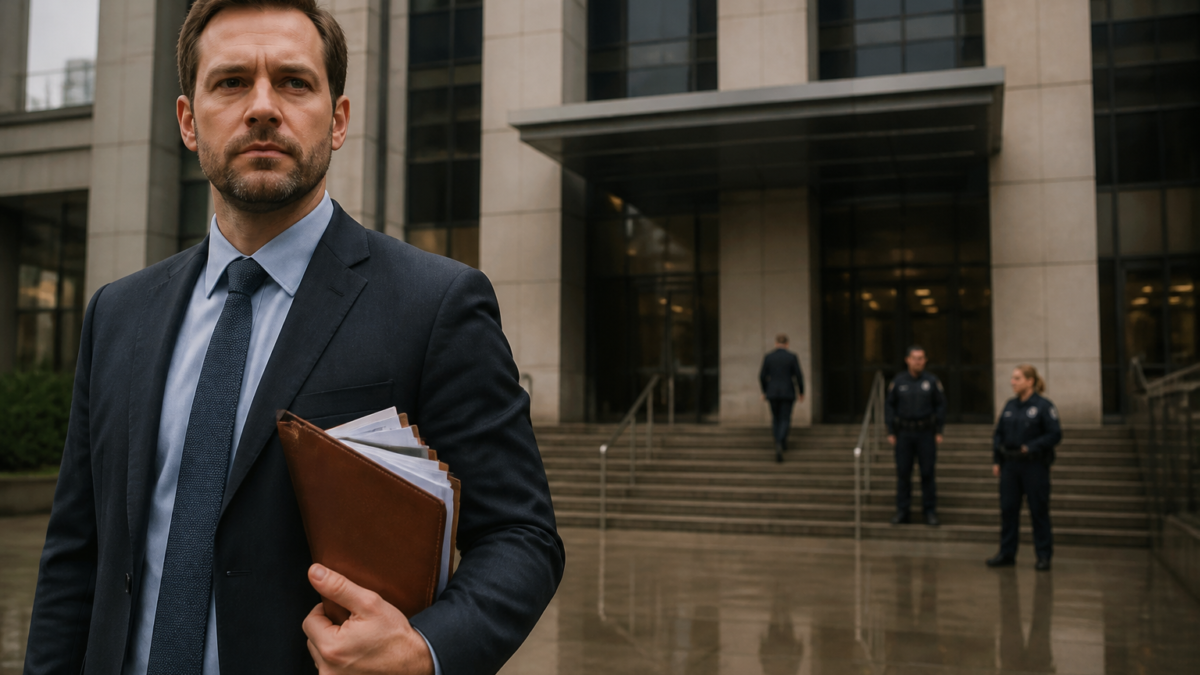
A former Tesla supervisor who oversaw safety operators involved in the company’s Houston-area autonomous-vehicle testing has filed a federal lawsuit against Tesla. The complaint, filed in Houston in late July 2026, alleges that Javier Medrano was dismissed after repeatedly raising concerns about understaffing, fatigue, and the level of human oversight assigned to the operation.
The case has drawn attention because it connects an employment dispute with questions about how autonomous-vehicle testing is managed on public roads. However, the filing represents Medrano’s allegations—not findings by a judge or jury. The available reporting does not establish that Tesla violated the law, that a specific safety rule was broken, or that the company’s robotaxi program caused a broader public-safety problem.
What the Tesla robotaxi supervisor lawsuit is about
According to the complaint and reporting about it, Medrano worked with Tesla’s Houston Full Self-Driving testing operation. His responsibilities reportedly included supervising safety operators, reviewing driving footage, participating in ride-alongs, handling incidents, and remaining available when problems arose during testing.
Medrano alleges that Tesla’s internal operating baseline called for roughly one lead or supervisor for every 15 safety operators. He says that, over time, he became responsible for 38 operators—more than twice that stated benchmark. The complaint describes this as a “38:1 operator-to-manager ratio” and argues that the arrangement created an unreasonable workload.
The lawsuit further alleges that the Houston operation ran around the clock, with operators assigned to three eight-hour shifts. Medrano says he was expected to monitor or support the operation while also handling administrative and safety-related duties. He claims he warned management that the workload was affecting his ability to rest and function normally.
Those allegations have not been tested through discovery or resolved by the court. Tesla’s response, if one is filed, could provide a different account of Medrano’s responsibilities, the staffing model, the company’s policies, and the reason for his termination.
What Medrano says happened before his termination
The complaint alleges that Medrano repeatedly asked Tesla to add another team leader or otherwise provide additional support. One message described in the filing characterized his request for time away from the workload as an “S.O.S signal.” The lawsuit says his concerns were not addressed in the way he believed was necessary.
Medrano also alleges that a manager responded that there was no impression he was overwhelmed. The complaint presents that exchange as evidence that his workload concerns were minimized. It also claims that other Tesla locations had more than one lead supporting comparable operations, while Medrano says he did not receive the same level of staffing.
The lawsuit links those alleged conditions to an overnight incident involving one of the test vehicles. Medrano says an operator contacted him after a crash or collision-related event. He alleges that severe exhaustion affected his response and that he gave guidance that contributed to the operator remaining at the scene longer than was safe.
According to the complaint, Medrano later told human resources that he had no recollection of part of the call. He also allegedly escalated concerns about what he described as a continuing safety-oversight problem in the Houston operation.
These claims are central to the case, but they remain allegations. The complaint alone does not establish what happened during the incident, whether Tesla’s procedures were followed, whether the operator faced an actual threat, or whether Medrano’s actions caused any legally recognized harm.
Why the dismissal is disputed
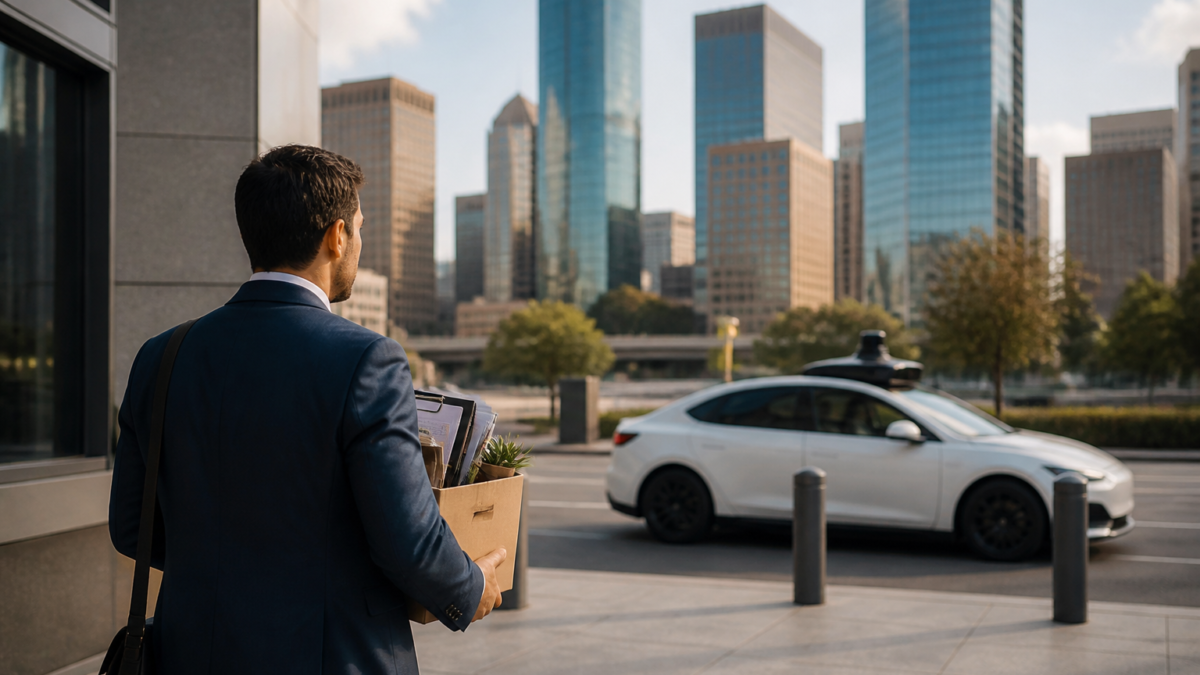
Medrano was fired on May 1, 2025, according to the lawsuit and published reports. He alleges that the termination followed his attempts to raise staffing and safety concerns. The complaint reportedly characterizes the firing as unlawful and seeks reinstatement along with financial compensation for emotional distress, family strain, and financial losses.
The original article described the termination as controversial, but that label is not appropriate without more evidence. The dispute is better understood as a disagreement over the reason for the firing. Medrano says he was punished for escalating safety concerns. Tesla may argue that the termination resulted from performance, management, communication, or other employment-related issues.
At this stage, there is no reported court ruling determining that Tesla retaliated against Medrano or that his termination violated federal or state law. Employment lawsuits often turn on documents, internal communications, witness testimony, performance records, and the precise legal claims included in the complaint. Those details may become clearer as the case proceeds.
The safety questions raised by the complaint
The lawsuit raises a practical question for autonomous-vehicle testing: how much human supervision is enough when vehicles operate for long periods across public roads?
Even when a vehicle is designed to perform many driving tasks, people may still be involved in testing, incident response, reviewing vehicle behavior, coordinating operators, and escalating emergencies. The complaint argues that a supervisor responsible for too many operators could have difficulty reviewing information, responding quickly, and maintaining alertness across multiple shifts.
That does not prove that Tesla’s system was unsafe or that a particular staffing ratio is legally required. It does show why workload design matters in safety-sensitive operations. A company may have written procedures, but the effectiveness of those procedures can depend on staffing, communication, training, escalation paths, and the ability of personnel to remain attentive.
The complaint also reportedly alleges that safety operators were expected to avoid intervening in some situations until the last possible moment so the company could gather more data. That claim should be treated cautiously unless supported by authenticated company documents or testimony. The public filing, by itself, does not establish that such an instruction was an official Tesla-wide policy or that it applied in every situation.
How this relates to Tesla’s Full Self-Driving and robotaxi plans
Tesla’s Full Self-Driving technology and its proposed robotaxi services are related but should not be treated as identical products or operating models. Full Self-Driving is a driver-assistance system that has historically required an attentive human driver in the vehicle, while a robotaxi service would involve a different level of autonomy, fleet management, customer operations, and regulatory oversight.
The Houston lawsuit concerns alleged management and supervision practices connected with testing. It does not, by itself, demonstrate that Tesla’s consumer software is defective, that all Tesla vehicles face the same risks, or that the company’s planned robotaxi service cannot operate safely.
It is also important to distinguish an employment complaint from an official investigation. A lawsuit may contain detailed allegations, but regulators, courts, and investigators use evidence gathered through formal processes to determine whether laws or safety requirements were violated.
What is known—and what is not known
Reported facts about the filing
- The plaintiff is identified in published reports as Javier Medrano.
- The lawsuit was filed in federal court in Houston in late July 2026.
- Medrano says he supervised safety operators involved in Tesla’s Houston-area testing operation.
- He alleges that he was responsible for 38 operators despite a stated internal benchmark of approximately 15.
- He says he raised concerns about workload, fatigue, staffing, and safety oversight before being fired on May 1, 2025.
- He is seeking reinstatement and damages, according to the complaint as described in published coverage.
Important unanswered questions
- What is the case number and which judge has been assigned?
- What specific causes of action did Medrano plead?
- Has Tesla been formally served, and has the company filed a response?
- What evidence supports the alleged 15-person staffing benchmark?
- What exactly occurred during the incident referenced in the complaint?
- Did Tesla have a different explanation for Medrano’s termination?
- Did any government agency open a separate investigation based on the allegations?
Because the case is new, readers should be cautious about treating statements in news reports or social-media discussions as established facts. Future court filings may clarify the allegations, identify additional parties, and show whether the case survives preliminary motions.
What happens next in the case
The next steps will generally involve service of the complaint, Tesla’s response, possible motions to dismiss, and the exchange of evidence. If the case continues, both sides may request employment records, internal messages, staffing documents, incident reports, and testimony from people familiar with the Houston operation.
The court may also determine whether the dispute belongs in litigation, arbitration, or another forum depending on any agreements Medrano signed during his employment. The outcome could be a settlement, dismissal of some or all claims, or a later decision based on evidence presented at trial. None of those outcomes should be assumed in advance.
Bottom line
The Tesla robotaxi supervisor lawsuit presents serious allegations about staffing and fatigue in a safety-sensitive testing operation. Medrano claims he warned the company about an excessive workload, that his concerns were not adequately addressed, and that he was fired after escalating them.
For now, the most accurate description is a pending employment lawsuit containing unproven allegations. The filing may prompt questions about human oversight in autonomous-vehicle testing, but it does not yet establish wrongdoing by Tesla, prove that a specific vehicle system caused an injury, or show that the company’s broader robotaxi plans will be halted.
Readers should look for the court docket, Tesla’s response, and any later judicial findings before drawing conclusions about liability or the safety of Tesla’s autonomous-driving operations.
Source context: This article was updated from reporting published by CleanTechnica on July 29, 2026. The claims described above are allegations from a court complaint and have not been proven in court. Original Publisher


Leave a Reply