
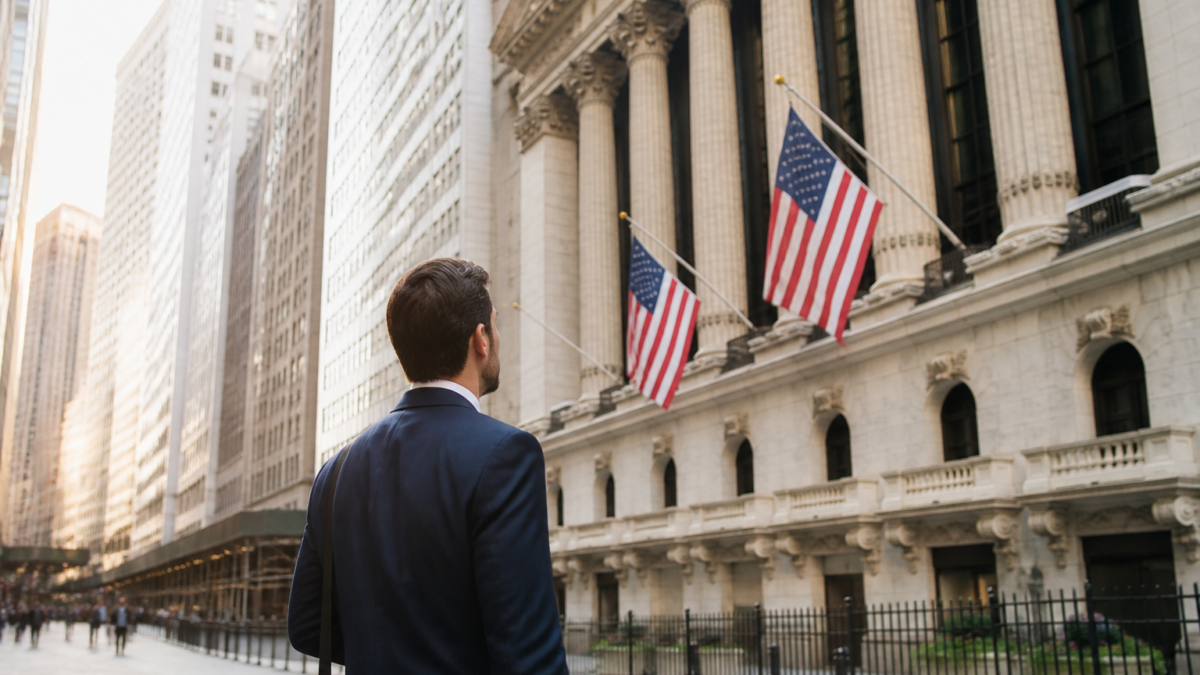
On July 27, 2026, Securitize Capital LLC achieved a notable regulatory milestone by registering as an investment adviser with the U.S. Securities and Exchange Commission. This pivotal development firmly situates Securitize at the heart of Wall Street’s accelerating adoption of tokenization, deepening its compliance stack and unlocking new services governed by U.S. securities law. With institutional partners such as BlackRock, Apollo, and KKR already on board, Securitize’s expansion further legitimizes the tokenized securities market. The announcement comes amid newer SEC rules enabling on-chain trading of national market system stocks and modernizing transfer agent policies, mapping out an evolving regulatory landscape for digital assets.
For investors, asset managers, and compliance professionals, understanding what this SEC registration enables—and how it fits within the wider shift toward compliant tokenization and digital asset infrastructure—is essential to navigating next-generation investment opportunities.
Securitize’s SEC Investment Adviser Registration: What Changed?
Securitize Capital LLC’s formal registration as an SEC investment adviser (announced July 27, 2026)[1] allows it to legally provide advisory services for digital securities in the United States. These services complement Securitize’s existing regulated roles as broker-dealer, alternative trading system (ATS), transfer agent, and fund administrator.
This integrated regulatory stack grants Securitize several advantages:
- Direct advisory permissions—Ability to advise on and manage portfolios of tokenized assets under U.S. securities law.
- Expanded trust—Demonstrates robust compliance credentials, a crucial factor for institutional adoption and investor confidence.
- Capacity to structure and administer funds—Advisory status enables creation, oversight, and rebalancing of tokenized investment vehicles fully within U.S. federal law.
Comparison Table: Securitize’s Regulated Service Stack (as of July 2026)
| Subsidiary | SEC Registration | Core Function |
|---|---|---|
| Securitize Markets LLC | Broker-Dealer, ATS | Securities trading, order matching |
| Securitize Transfer Agent LLC | Transfer Agent | Record-keeping for digital securities |
| Securitize Capital LLC | Investment Adviser | Advisory, portfolio management |
| Securitize Fund Services LLC | Fund Administrator | Administration & operations |
The Regulatory Backdrop: SEC Innovation and Clarity
In 2026, the SEC intensified its regulatory guidance on tokenized securities:
- January 28, 2026: The SEC issued a statement clarifying tokenized instruments remain subject to securities regulation.
- September 17, 2026: The SEC granted a conditional Innovation Exemption permitting limited on-chain trading of public equities, opening doors to regulated tokenized equity markets.
- September 1, 2026: Proposed rules for transfer agents would formally recognize blockchain for record-keeping, streamlining compliance for digital asset platforms.
The cumulative effect is a tangible increase in regulatory clarity, legally protecting investors and market participants while encouraging responsible innovation in tokenized products.
Institutional Partnerships: Securitize’s Reach Across the Capital Markets
Securitize’s regulated credentials have enabled alliances with major financial players. According to their July 2026 SEC filings and multiple press reports[2]:
- BlackRock: Securitize tokenized BlackRock’s BUIDL fund in 2024, a breakthrough for on-chain money market fund access.
- KKR, Apollo, VanEck, BNY Mellon, Hamilton Lane: Collaborations extend to alternative asset and private equity tokenization.
- AUM exceeds $5B on Securitize’s platform as of July 2026.
These partnerships highlight Securitize’s role as a strategic partner for both traditional fund managers and institutions aiming to modernize their offerings using compliant blockchain solutions.
Tokenized Securities: Benefits and Investor Considerations
Tokenization of real assets is no longer theoretical: with regulatory and technological milestones, its impact is already visible on institutional product shelves. Key advantages for investors and asset managers include:
- Liquidity: 24/7 electronic markets and the potential to trade previously illiquid stakes.
- Fractional Ownership: Access to assets historically reserved for institutions or high-net-worth individuals.
- Transparency and Auditability: Blockchain-based record-keeping offers robust audit trails for all participants.
- Cost and Efficiency Gains: Automated settlement, streamlined compliance, and lower administrative expense compared to legacy processes.
However, tokenized securities are subject to the same investor due diligence and risk factors that apply in traditional finance. Regulation does not eliminate market or counterparty risk.
Checklist: Key Questions to Ask Before Investing in Tokenized Assets
- Regulatory Status: Is the platform or adviser registered with relevant authorities (e.g., SEC)?
- Asset Transparency: What real-world assets back the tokens, and are underlying assets auditable?
- Liquidity Provisions: Is there a secondary market or lockup period?
- Custody Solutions: How are tokens and fiat assets secured?
- Fees and Expenses: How do costs compare to non-tokenized alternatives?
- Redemption and Transfer Rules: What are the rights and restrictions for exiting or transferring positions?
This diligence remains critical even as regulatory clarity improves.
How Securitize’s SEC Adviser Status Shifts the Industry
Securitize’s now-complete SEC compliance stack may mark a tipping point for institutional tokenization. By offering legally-advised tokenized investment vehicles:
- Asset managers can access a streamlined, regulated infrastructure for structuring, launching, and administering digital securities.
- Investors, both institutional and potentially retail as rules evolve, gain added confidence from regulatory oversight.
- Wall Street can nimbly adapt as new SEC exemptions or rule changes open further on-chain asset classes for compliance-guided investment.
While the ultimate impact depends on broader market adoption and continued regulatory evolution, Securitize’s registered adviser status demonstrates that compliant tokenization is achievable at institutional scale.
Frequently Asked Questions
- What did Securitize Capital’s SEC investment adviser registration enable?
- Registration allows Securitize to offer advice and manage portfolios of digital securities for clients in the U.S., including structuring funds and providing tailored investment services under federal law.
[1] - Does Securitize have other SEC registrations?
- Yes. Affiliates hold SEC registrations for broker-dealer (trading platform/ATS), transfer agent (record-keeping), and fund administration, creating a vertically integrated compliance platform.
[2] - How does Securitize’s partnership with BlackRock work?
- Securitize tokenizes funds such as BlackRock’s BUIDL money market fund, delivering on-chain access to institutional-class assets for investors, with full regulatory compliance.
[2] - What is the SEC’s stance on tokenized securities as of September 2026?
- The SEC recognizes tokenized instruments as securities, requires compliance with federal securities law, and is piloting limited on-chain NMS stock trading via the Innovation Exemption.
[3] - Can everyday investors access tokenized funds through Securitize?
- While institutional access is established, broader retail access will depend on future SEC guidance and product rollouts; always check investor eligibility and product disclosures.
- Is there an active SPBD license for Securitize?
- No; the special-purpose broker-dealer (SPBD) path expired in early 2026, and Securitize currently operates under standard SEC-registered entities.
- Are tokenized investments risk-free now that more are regulated?
- No investment is risk-free. While SEC regulation provides oversight, tokenized securities share risks common to traditional assets—market, issuer, operational, and counterparty risks still apply.
Conclusion
Securitize’s registration as an SEC investment adviser—combined with its established broker-dealer, transfer agent, and fund administrator roles—signals the arrival of truly comprehensive, regulated tokenized securities infrastructure in the U.S. This achievement, verified on July 27, 2026, paves the way for Wall Street’s adoption of compliant digital asset investment vehicles.
Amid recent regulatory advances—including the SEC’s Innovation Exemption and modernized compliance requirements—the move affirms that tokenization can operate within established legal frameworks, not outside them. While regulatory and market uncertainty persists, the depth of Securitize’s compliance stack and the firm’s institutional partnerships position it as a leader at the intersection of traditional and digital finance. Investors, issuers, and advisors should remain diligent and informed as this rapidly-maturing sector continues to evolve.
References: PR Newswire, SEC filings, and additional sources linked above. This article is for informational purposes only and does not constitute legal or investment advice; always consult a licensed adviser regarding regulatory or investment decisions under your jurisdiction.








Leave a Reply