
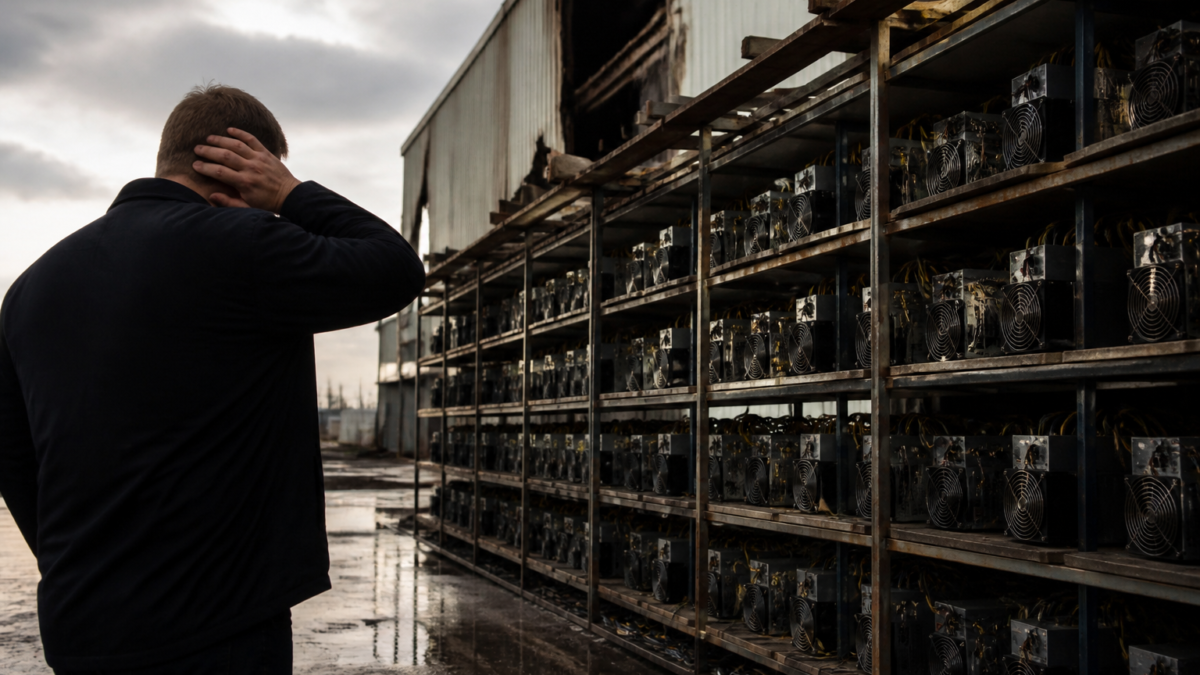
Poolin, once a dominant Bitcoin mining pool, filed for Chapter 11 bankruptcy on July 22, 2026, marking a significant moment in cryptocurrency history. From founding in 2017 through its rapid rise to its 2026 bankruptcy, Poolin’s trajectory reflected both the promise and perils of industrial-scale crypto mining. The downfall was set in motion by frozen user withdrawals in 2022 and mounting liabilities—culminating in the high-profile sale of its Texas mining assets for $140 million. This deep dive details the confirmed facts behind Poolin’s collapse, the winding-down of operations, the ongoing creditor process, and the implications for miners and users navigating similar risks in today’s crypto ecosystem.
The Rise, Dominance, and Sudden Decline of Poolin
Founded in 2017, Poolin quickly established itself as a global leader among Bitcoin mining pools, attracting thousands of miners worldwide. At its zenith, Poolin contributed a major share of Bitcoin’s hash rate and was lauded for its accessible platform and competitive fees. But the volatility of the crypto sector, tightening regulations, and fierce hash rate competition set the stage for financial trouble. Signs surfaced in September 2022 when Poolin suspended user withdrawals, citing liquidity issues, leaving approximately 11,700 users with IOUs and frozen accounts—a move confirmed by U.S. bankruptcy proceedings in July 2026 (Verita Global court filings).
User Withdrawals Frozen and IOUs Issued
The September 2022 freeze proved key to Poolin’s undoing. Instead of honoring user withdrawals, Poolin issued IOUs totaling roughly $163.7 million to users whose balances exceeded $100. The formal Chapter 11 filing documented and confirmed the scale of this crisis, which triggered lawsuits and regulatory review. Many of the ~11,700 affected users initiated claims in both the U.S. and Singapore, further complicating proceedings (Court Declaration). Meanwhile, a separate Singapore arbitration ruling ordered Poolin to return 88 BTC to one customer, an instruction not yet fulfilled by the company as of September 2026.
Bankruptcy Filing and Asset Valuation
Poolin, along with U.S. affiliates Lonestar Dream Inc. and Lonestar Taproot LLC, officially sought U.S. Chapter 11 bankruptcy protection on July 22, 2026. Filings disclose liabilities between $100 million and $500 million, asset values between $1 million and $10 million, and a creditor list of 10,001–25,000. By 2021, Poolin’s operational mining activities had already ceased, with only asset holding and wind-down continuing through mid-2026. The bankruptcy’s jurisdiction and process underscore the growing importance—and complexity—of cross-border insolvency in the crypto mining industry (Cointelegraph).
Sale of Texas Mining Assets: From Stalking-Horse to Record-Breaking Bid
The centerpiece of the bankruptcy process was Poolin’s Texas mining assets at Pyote and Tarbush. Initial “stalking-horse” bids totaled $52 million, but the auction escalated—culminating in a winning $140 million bid from Hut8 Corp. announced on September 23, 2026 (MLex Watch). The court-adjudicated sale is set to determine what—if any—recovery is available for Poolin creditors, including thousands of users and major mining affiliates.
| Event/Asset | Date/Value | Details |
|---|---|---|
| Bankruptcy Filing Date | July 22, 2026 | US District Court, New Jersey |
| Users with IOUs | ~11,700 | $163.7M total IOUs |
| Liabilities | $100–$500M | Declared range |
| Mining Asset Bids | $52M (initial), $140M (final) | Hut8 is winning bidder |
| Texas Mining Ceased | July 10, 2026 | Operations at Pyote/Tarbush halted |
Lessons for Miners and Crypto Investors
- Review Legal Protections: Cross-border insolvency and multiple legal venues (US/Singapore) add layers of complexity to asset recovery.
- Check Withdrawal Policies: History shows that pools can suspend withdrawals; choose institutions with clear, transparent policies.
- Diversify Exposure: Overreliance on a single pool increases risk; consider spread across reputable pools or alternatives.
- Follow Asset Auctions: Sale processes can take months or years; confirmation of winning bid does not guarantee prompt user compensation.
- Regulatory Watchfulness: Monitor evolving mining pool regulations and due diligence obligations, as these affect operational and withdrawal risks.
What Happens Next? Status of Creditor Claims and User Fund Recovery
The Chapter 11 process is ongoing. Hut8’s $140 million bid, if approved, may provide some relief to creditors and users, but timelines and distribution formulas remain undetermined. Legal disputes, such as the unresolved Singapore arbitration order, further muddle prospects for fund recovery—underscoring the uncertainty inherent in cross-jurisdictional crypto bankruptcies. Users should closely monitor court updates and seek advice on claim submission deadlines and rights.
Risks, Red Flags, and Questions to Ask Before Mining Pool Participation
- Is the pool’s legal structure and jurisdiction transparent?
- What is the withdrawal process, and are withdrawal audits published?
- Are user funds custodied separately from operational capital?
- What happens to user assets if mining operations suspend or shut down?
- Is there a history of regulatory or financial stress events?
FAQ: Poolin Bankruptcy and Asset Auction
- When did Poolin officially file for bankruptcy?
- Poolin and its U.S. affiliates filed for Chapter 11 bankruptcy in New Jersey on July 22, 2026. This supersedes prior reporting of an earlier filing date.
- How many users are affected by frozen withdrawals?
- Around 11,700 users held IOUs after Poolin froze withdrawals in September 2022. Their claims total about $163.7 million, according to court documents.
- Who won the auction for Poolin’s mining assets?
- Hut8 Corp. placed the winning $140 million bid for Poolin’s Texas mining assets as of September 23, 2026.
- Will users receive compensation?
- The court-supervised Chapter 11 process determines if users are compensated from auction proceeds. Distributions depend on priority, claim type, and asset recovery.
- What is the status of the Singapore arbitration award?
- A Singapore tribunal ordered Poolin to return 88 BTC (~$1.5 million) to a customer. As of late September 2026, this award has not yet been paid.
- Are there asset protection measures for mining pool users?
- Protections vary by platform and jurisdiction. Users should verify whether funds are segregated, what legal claims are available, and any insurance coverage.
- What has Hut8 said about future plans for acquired assets?
- Publicly, Hut8 has not yet detailed operational or redevelopment plans for Poolin’s Texas mining sites as of September 2026.
Conclusion: Poolin’s Downfall as an Industry Cautionary Tale
Poolin’s collapse underscores the risks of scale, leverage, and liquidity in modern crypto mining. Confirmed bankruptcy filings, frozen user funds, winding down of operations, and a dramatic asset auction reflect systemic vulnerabilities facing mining pools under financial and regulatory pressures. Users caught in the aftermath face prolonged uncertainty as bankruptcy courts reconcile claims and asset values—highlighting the critical need for transparency, diversification, and legal vigilance in crypto mining. The aftermath of Poolin’s downfall will likely influence future best practices and regulatory scrutiny, impacting users and the mining industry for years to come.










Leave a Reply