
The 2026 Renault Duster SUV marks the return of one of Renault’s most recognized SUV names. For many buyers, the Duster is remembered as a practical, rugged, value-focused SUV that helped make compact SUVs more popular in several markets. The new 2026 version brings that familiar Duster identity back with a more modern design, updated technology, new engine options, stronger safety focus, and a cabin that feels more premium than before.
The new Renault Duster is aimed at buyers who want an SUV that looks tough, feels practical, and can handle daily driving as well as weekend travel. It is not trying to be a luxury SUV. Instead, it focuses on a balance of style, usability, value, efficiency, and road presence. That makes it interesting for families, first-time SUV buyers, city drivers, highway users, and people who want a compact SUV with a stronger personality than a basic crossover.
One of the biggest talking points around the 2026 Renault Duster is the variety of engine options depending on market. Renault’s official Duster material highlights petrol turbo choices as well as a strong Hybrid E-Tech option. This gives buyers more flexibility depending on whether they care more about price, mileage, performance, or everyday efficiency.
What Is the 2026 Renault Duster SUV?
The 2026 Renault Duster is a compact SUV designed to offer practicality, rugged styling, and modern features at a competitive price point. It continues the Duster’s long-standing image as a tough and useful SUV, but the new generation feels more refined and technology-focused.
The Duster has always been known for its strong stance, high ground clearance, practical cabin, and affordable SUV appeal. The 2026 model builds on that idea with a sharper exterior, a more advanced interior, updated safety features, and multiple powertrain choices.
Depending on country and market, the Duster may be sold under Renault or Dacia branding. In some global markets, Dacia Duster has already been known for its practical European SUV positioning. In markets like India and other Renault-focused regions, the Renault Duster name carries strong recognition.
Why the 2026 Renault Duster Gets Attention
The 2026 Renault Duster gets attention because it brings back a well-known SUV name in a more modern form. Many buyers remember the earlier Duster as a strong, simple, and road-ready SUV. The new version keeps that emotional connection while adding the features people expect from a modern compact SUV.
Another reason the Duster is being discussed is its design. The 2026 model looks more muscular and modern than the older versions. It has a wider stance, sharper body lines, strong wheel arches, and a more confident front design. This gives it a rugged look without making it feel too large or expensive.
The available hybrid powertrain also helps the Duster stand out. As fuel prices and efficiency concerns remain important, many buyers are now looking for SUVs that can offer better mileage without giving up practicality. The Hybrid E-Tech option gives the Duster a more future-ready position in the compact SUV market.
Exterior Design and Road Presence
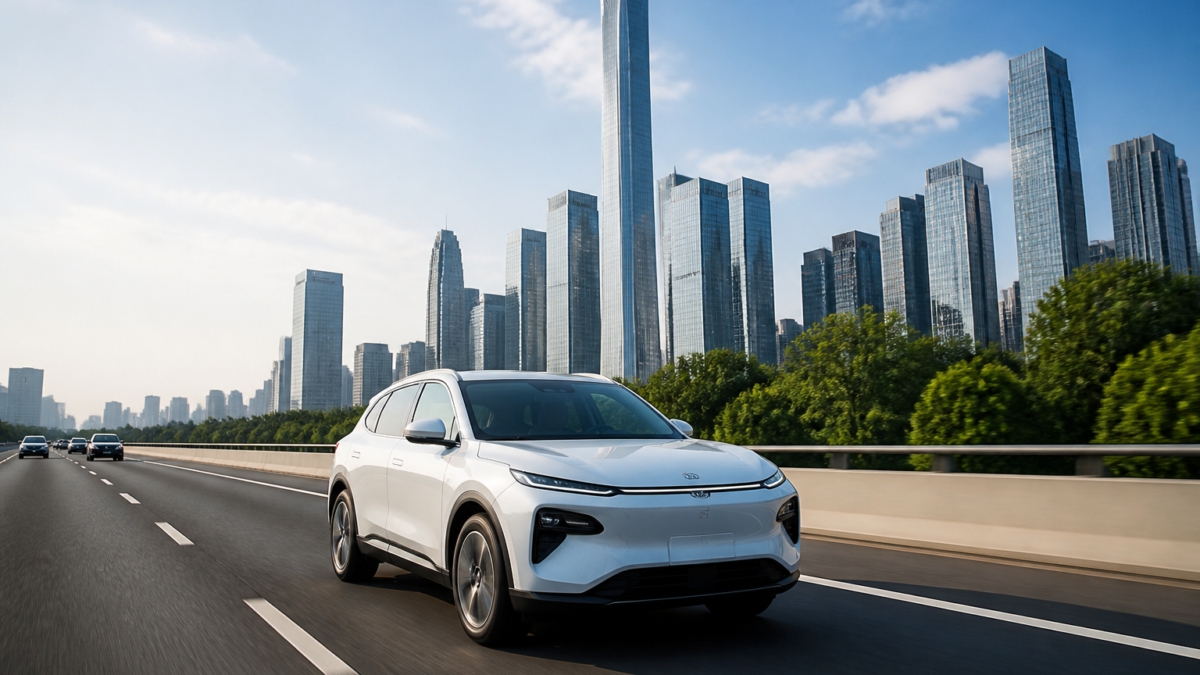
The 2026 Renault Duster has a more sculpted and muscular exterior design. It keeps the tough SUV character that made the Duster popular, but it now looks more modern and premium.
The front design is sharper, with updated lighting, a bold grille area, and a stronger bumper shape. The SUV has a confident face that helps it stand out from softer-looking crossovers. The body lines are more defined, and the wheel arches give it a wider, more rugged appearance.
From the side, the Duster keeps a practical SUV shape. It does not look overly rounded or delicate. The upright stance, strong shoulders, and compact proportions make it look ready for both city roads and rougher surfaces.
At the rear, the Duster continues the rugged theme with modern tail-lamp styling and a clean tailgate design. The overall look is more mature than before, but still familiar enough to feel like a Duster.
Interior and Cabin Experience
Inside, the 2026 Renault Duster takes a major step forward compared with older Duster models. The cabin is more modern, more digital, and more refined. Renault’s official material highlights the openR link multimedia system with Google built-in, which gives the cabin a more connected and technology-focused feel.
The dashboard design is cleaner and more angular, matching the exterior’s rugged personality. The layout is designed to be practical, with controls placed where drivers can use them easily. The cabin also focuses on better comfort, improved materials, and more storage options.
Depending on trim, the Duster may offer features such as a large touchscreen, digital instrument cluster, wireless smartphone connectivity, automatic climate control, electric panoramic sunroof, premium upholstery, multiple charging ports, and connected car features.
The seating position is SUV-like, giving drivers a higher view of the road. This is one reason many buyers prefer compact SUVs over hatchbacks or sedans. The Duster’s cabin is designed to feel useful for daily commuting, family use, and long drives.
Space and Practicality
Practicality has always been one of the Duster’s strongest points. The 2026 Renault Duster continues that focus with a cabin that aims to provide enough room for everyday needs.
The SUV is likely to appeal to small families, urban buyers, and people who want a vehicle that can handle different types of trips. It should offer comfortable seating for five people, useful storage areas, and a practical boot for luggage, groceries, office bags, school items, or weekend travel gear.
A compact SUV needs to be easy enough to drive in traffic while still offering more space and presence than a small car. The Duster fits that role well. It gives buyers an SUV feel without moving into a large and expensive vehicle category.
Engine Options
The 2026 Renault Duster is expected to offer multiple engine options depending on market and trim. Renault’s official material mentions Turbo TCe 100, Turbo TCe 160, and Hybrid E-Tech 160 options.
Turbo TCe 100
The Turbo TCe 100 engine is likely aimed at buyers who want affordability and efficiency. It may be suitable for city driving, regular commuting, and buyers who want a lower running cost.
This engine option can make sense for people who do not need maximum performance but still want a modern turbo-petrol SUV. It may also be attractive for buyers who are upgrading from a hatchback or small sedan.
Turbo TCe 160
The Turbo TCe 160 engine is positioned as a more powerful turbo-petrol option. It can appeal to drivers who want stronger acceleration, better highway performance, and a more responsive driving experience.
Renault’s official material mentions a 6-speed DCT with wet clutch for the Turbo TCe 160, which may help provide smoother and quicker gear shifts. This engine is likely better for buyers who drive more on highways, carry passengers often, or want a more premium driving feel.
Hybrid E-Tech 160
The Hybrid E-Tech 160 option is one of the most important parts of the new Duster story. Renault’s official press material describes it as a strong hybrid system using a 1.8L engine with a 1.4 kWh battery, designed to improve efficiency and allow significant electric-mode operation in city driving conditions.
This option may be best for buyers who want better fuel efficiency, smoother city driving, and a more future-ready SUV. A strong hybrid can be especially useful in stop-and-go traffic because the electric motor can help reduce fuel use during low-speed driving.
Hybrid Technology and Everyday Efficiency
The Hybrid E-Tech version of the 2026 Renault Duster is important because many SUV buyers now want better fuel economy without switching fully to an electric vehicle. A hybrid SUV can offer a practical middle ground.
In city driving, a hybrid system can help reduce fuel use by using electric power at lower speeds or during certain driving conditions. It can also recover energy when slowing down and use that energy later. This is useful in traffic-heavy areas where regular petrol engines may use more fuel.
The Duster Hybrid may appeal to buyers who drive daily in cities but still want the flexibility of a petrol engine for longer trips. Unlike a fully electric vehicle, it does not require external charging. That can make it easier for buyers who do not have home charging or who live in areas where EV charging infrastructure is limited.
Fuel Efficiency
Fuel efficiency depends on engine, transmission, driving style, traffic, road conditions, tire pressure, passenger load, and climate control use. The Turbo TCe 100 is expected to be one of the more efficient petrol choices, while the Hybrid E-Tech option may be best for city efficiency.
Recent India-market reports mention ARAI-certified mileage for the 1.0-litre Turbo TCe 100 petrol engine at 19.41 kmpl, with 1.3-litre turbo-petrol versions reported at 17.75 kmpl for manual and 18.45 kmpl for automatic. Actual real-world mileage can vary based on conditions.
For buyers, the best approach is to choose the engine based on real usage. If most driving happens in city traffic, a hybrid may offer better efficiency. If the buyer wants lower purchase cost, the smaller turbo engine may be more attractive. If highway performance is important, the more powerful turbo engine may be worth considering.
Driving Experience
The 2026 Renault Duster is designed to offer a balance between comfort, confidence, and ruggedness. It is not expected to feel like a sports SUV, but it should feel stable and practical for everyday use.
The higher driving position gives better visibility. The compact size makes it easier to drive in cities compared with larger SUVs. The rugged suspension tuning may help on rough roads, potholes, broken surfaces, and uneven streets.
The Duster’s personality has always been connected to road toughness. Buyers who drive in areas with imperfect roads may appreciate a compact SUV that feels more durable than a low-slung sedan or hatchback.
Highway driving should feel more confident in the stronger turbo and hybrid versions. Buyers who frequently travel with passengers and luggage may prefer the more powerful engine options.
Off-Road and Rough-Road Capability
The Renault Duster has historically been known for rough-road ability. The 2026 model continues the rugged SUV theme, though actual off-road capability will depend on drivetrain, tires, ground clearance, and market-specific configuration.
In many markets, compact SUVs are mostly used on paved roads, but buyers still value high ground clearance and strong suspension. This helps on bad roads, speed breakers, gravel paths, rural routes, and rainy-season conditions.
If all-wheel-drive or 4×4 versions are available in certain markets, they may appeal to buyers who need more traction. However, many buyers will choose front-wheel-drive versions for city and highway use.
The Duster is best understood as a practical rugged compact SUV rather than a hardcore off-road vehicle. It can handle rough surfaces better than many low cars, but buyers should check exact specifications before expecting serious off-road performance.
Safety Features
Safety is an important part of the 2026 Renault Duster’s appeal. Modern buyers expect compact SUVs to offer strong safety equipment, not just style and space.
Depending on trim and market, the Duster may include features such as multiple airbags, electronic stability control, ABS with EBD, hill-start assist, rear parking sensors, 360-degree camera, blind-spot monitoring, lane assistance, automatic emergency braking, adaptive cruise control, and other driver-assistance systems.
Recent India-market coverage reports that the Renault Duster received a 5-star Bharat NCAP safety rating, with strong adult and child occupant protection scores. That kind of rating can help improve buyer confidence, especially for families comparing compact SUVs.
Safety features can vary by trim, so buyers should check the exact version they plan to buy. A base trim may not include all advanced driver-assistance features available on higher trims.
Technology and Infotainment
The 2026 Renault Duster includes more advanced technology than earlier versions. The openR link multimedia system with Google built-in is one of the major highlights in official Renault material.
This system can make navigation, voice control, app support, and connected features easier to use. Google built-in can be helpful for drivers who rely on maps, voice commands, and online services.
Depending on trim, the Duster may also include a digital instrument display, wireless phone connectivity, USB-C ports, wireless charging, connected vehicle features, and premium audio. These features matter because many buyers now expect their SUV to work smoothly with their phone and daily digital life.
Comfort and Convenience Features
The 2026 Duster may offer several comfort and convenience features depending on trim. These can include automatic climate control, rear AC vents, ventilated or premium seats in some versions, electric panoramic sunroof, keyless entry, push-button start, cruise control, rear camera, and adjustable seating.
The panoramic sunroof can be especially attractive in markets where buyers value a more premium cabin feel. It makes the cabin feel brighter and more open, though buyers in very hot climates may want to consider heat management.
Comfort features should be chosen based on real use. A buyer who drives mostly in city traffic may value automatic transmission, parking cameras, and climate control. A highway user may value cruise control, stronger engine performance, and supportive seats.
Trims and Variants
The 2026 Renault Duster lineup may vary by market. India-market coverage reports variants such as Authentic, Evolution, Techno, Techno Plus, and Iconic.
Authentic
The Authentic trim is likely the entry-level version. It may appeal to buyers who want the Duster’s core SUV design and practicality at a lower price.
This trim is best for value-focused buyers who do not need every advanced feature.
Evolution
The Evolution trim may add more convenience and comfort features over the base version. It can be a good choice for buyers who want a better-equipped SUV while still keeping price under control.
Techno
The Techno trim may focus more on modern technology and comfort. It could be attractive for buyers who want a stronger infotainment system, more convenience features, and better daily usability.
Techno Plus
The Techno Plus trim may add more premium features, making it a better option for buyers who want a richer experience without moving to the top variant.
Iconic
The Iconic trim is likely the top or near-top version depending on market. It may include more premium design details, technology, safety equipment, and comfort features.
This trim is best for buyers who want the most complete Duster experience.
2026 Renault Duster Price and Value
Pricing depends heavily on market, trim, taxes, engine, and dealer charges. In India-market coverage, the 2026 Renault Duster is reported with a starting price around ₹10.49 lakh ex-showroom, while higher variants move upward depending on equipment.
The Duster’s value depends on what buyers compare it with. It competes in a segment filled with strong compact SUVs, so pricing, features, safety, mileage, and brand confidence all matter.
The Duster may appeal to buyers who want a rugged-looking SUV with modern technology and engine choices without paying premium-brand money.
Renault Duster vs Hyundai Creta
The Hyundai Creta is one of the strongest competitors in the compact SUV segment. It is known for features, comfort, brand reach, and broad appeal.
Compared with the Creta, the Renault Duster may appeal to buyers who prefer a more rugged SUV design and tougher road personality. The Creta may appeal more to buyers who prioritize a polished cabin, wide service network, and feature-rich trims.
The better choice depends on buyer priorities. If rugged styling and Duster heritage matter, the Duster is attractive. If feature familiarity and resale confidence matter more, the Creta may be stronger.
Renault Duster vs Kia Seltos
The Kia Seltos is known for sharp styling, technology, and a premium-feeling cabin. It has strong appeal among urban compact SUV buyers.
The Duster competes with a more rugged personality and practical SUV image. The Seltos may feel more urban and feature-focused, while the Duster may feel more adventure-ready and tough.
Buyers should compare engine options, cabin space, safety features, service availability, and real pricing before deciding.
Renault Duster vs Maruti Grand Vitara
The Maruti Grand Vitara is a strong competitor because it offers hybrid options and strong fuel-efficiency appeal. It may attract buyers who prioritize mileage, brand trust, and low running costs.
The Duster Hybrid may compete directly with this type of buyer. The Duster’s advantage may be styling, road presence, and rugged character. The Grand Vitara’s advantage may be Maruti’s service network and fuel-efficiency reputation.
Renault Duster vs Toyota Urban Cruiser Hyryder
The Toyota Urban Cruiser Hyryder is another hybrid-focused compact SUV. It appeals to buyers who want Toyota-backed hybrid technology and efficiency.
The Duster may offer a more rugged design and stronger emotional value for buyers who remember the original Duster. The Hyryder may appeal to buyers who trust Toyota’s hybrid experience and ownership reputation.
Pros of the 2026 Renault Duster
The 2026 Renault Duster has several strengths. It has a rugged and modern design, multiple engine options, available hybrid technology, improved interior, modern infotainment, practical SUV size, and strong name recognition.
It also brings back a popular SUV identity. For buyers who liked the original Duster but wanted more features and refinement, the 2026 version may feel like a strong upgrade.
The Duster also has potential value appeal. If priced competitively, it can attract buyers who want a stylish SUV without moving into more expensive segments.
Cons of the 2026 Renault Duster
The 2026 Duster may not be perfect for every buyer. Renault’s service network and resale value may vary by market. Some competitors may offer more established ownership confidence.
Feature availability may also depend heavily on trim. Buyers who choose lower variants may not get all the advanced technology or safety features shown in promotional material.
Hybrid versions may cost more and may have later delivery timelines in some markets. Buyers should check availability carefully before making a decision.
Is the 2026 Renault Duster Good for Families?
Yes, the 2026 Renault Duster can be a good family SUV for buyers who need a practical five-seat compact SUV. It offers a higher seating position, useful cabin space, and SUV-style practicality.
Families may appreciate safety features, boot space, rear-seat comfort, and modern infotainment. The hybrid option may also help reduce fuel costs for city-driving families.
However, larger families needing three rows should look at bigger SUVs. The Duster is best for small families or buyers who do not need seven seats.
Is the 2026 Renault Duster Good for City Driving?
The Duster can be a strong city SUV because it combines compact dimensions with SUV height. It is easier to drive than larger SUVs but still offers better road presence than a hatchback.
Automatic transmission options, parking cameras, sensors, light steering, and hybrid efficiency can make city driving more comfortable depending on trim.
The Hybrid E-Tech version may be especially useful in traffic-heavy cities because hybrids often perform well in stop-and-go conditions.
Is the 2026 Renault Duster Good for Highway Driving?
The Duster should be suitable for highway driving, especially in more powerful turbo and hybrid versions. Buyers who travel often may prefer the Turbo TCe 160 or Hybrid E-Tech 160 because they may offer stronger performance than the smaller turbo engine.
Highway buyers should also consider seat comfort, cabin noise, cruise control, safety features, and real-world fuel economy.
Should You Buy the 2026 Renault Duster?
The 2026 Renault Duster is worth considering if you want a compact SUV with rugged design, modern features, practical space, and multiple engine choices. It may be especially appealing if you liked the older Duster but wanted a more refined and updated version.
Choose a lower trim if price is the main priority. Choose a mid-level trim if you want the best balance of features and value. Choose a top trim if you want advanced technology, safety, comfort, and premium design. Choose the hybrid if city efficiency and smooth driving are important.
Before buying, compare the Duster with Hyundai Creta, Kia Seltos, Maruti Grand Vitara, Toyota Hyryder, and other compact SUVs in your market. Also check service network, resale value, warranty, real-world mileage, and delivery timelines.
Who Should Consider the 2026 Renault Duster?
The 2026 Renault Duster may be a good fit for:
Buyers looking for a rugged compact SUV
Small families needing a practical five-seat SUV
Drivers who want better road presence than a hatchback
People comparing Hyundai Creta and Kia Seltos
Buyers interested in hybrid SUV options
Drivers who liked the original Duster
City users who want compact size with SUV comfort
Highway users who want turbo-petrol performance
Value-focused SUV shoppers
Who Should Avoid the 2026 Renault Duster?
The Duster may not be ideal for:
Buyers who need a seven-seat SUV
People who want the widest service network
Drivers who prefer a fully electric vehicle
Buyers who want only luxury-level interiors
People who need maximum boot space
Shoppers who prioritize resale value above all else
Drivers who want hardcore off-road capability
Buying Tips for the 2026 Renault Duster
Before buying the 2026 Renault Duster, first decide which engine suits your driving style. If your priority is budget and daily city use, the smaller turbo engine may be enough. If you want stronger performance, consider the higher-output turbo. If you want better city efficiency and smoother driving, the Hybrid E-Tech version may be more attractive.
Next, compare trims carefully. Do not choose only based on price. Check safety features, infotainment, cameras, airbags, sunroof, climate control, and driver-assistance features.
Also think about ownership. Check the nearest Renault service center, warranty terms, maintenance cost, spare parts availability, and resale value in your area.
Finally, test drive the exact variant you plan to buy. Pay attention to visibility, seat comfort, steering, suspension, engine response, cabin noise, rear-seat comfort, and boot practicality.
Final Thoughts
The 2026 Renault Duster SUV brings back a familiar name with a more modern and capable package. It keeps the rugged identity that made the Duster popular while adding a redesigned cabin, improved technology, available hybrid power, and stronger safety appeal.
It is not just a return of an old SUV name. It is Renault’s attempt to make the Duster relevant for a new generation of compact SUV buyers. With turbo-petrol and hybrid options, modern infotainment, strong design, and practical size, the Duster can compete with some of the strongest SUVs in its segment.
For buyers who want a compact SUV that feels tough, stylish, and useful, the 2026 Renault Duster deserves attention. The best version will depend on budget, engine preference, feature needs, and local availability.
Frequently Asked Questions About the 2026 Renault Duster SUV
Is the 2026 Renault Duster a new generation SUV?
Yes, the 2026 Renault Duster is a major new-generation model with updated design, interior, technology, and engine options depending on market.
What engine options are available in the 2026 Renault Duster?
Official Renault material mentions Turbo TCe 100, Turbo TCe 160, and Hybrid E-Tech 160 options depending on market and trim.
Does the 2026 Renault Duster have a hybrid option?
Yes, Renault has highlighted a Hybrid E-Tech 160 option for the new Duster in official material.
Is the 2026 Renault Duster good for families?
Yes, it can be a good compact SUV for small families because it offers five-seat practicality, SUV stance, modern features, and useful space.
Is the Renault Duster good for city driving?
Yes, the Duster can work well in city driving because it offers compact SUV size, high seating position, and efficient engine options.
Is the 2026 Renault Duster good for highway driving?
Yes, especially with the more powerful turbo or hybrid engine options. Buyers who travel frequently should choose a version with strong performance and safety features.
What are the main competitors of the 2026 Renault Duster?
Main competitors may include Hyundai Creta, Kia Seltos, Maruti Grand Vitara, Toyota Urban Cruiser Hyryder, Skoda Kushaq, Volkswagen Taigun, and similar compact SUVs depending on market.
Is the 2026 Renault Duster fuel-efficient?
Fuel efficiency depends on engine and driving conditions. The Turbo TCe 100 and Hybrid E-Tech versions are expected to appeal to buyers who prioritize efficiency.
Which 2026 Renault Duster trim is best?
The best trim depends on budget and needs. A mid-level trim may offer the best value, while the top trim may be better for buyers who want premium features and safety technology.
Should I buy the 2026 Renault Duster?
You should consider it if you want a rugged compact SUV with modern design, practical features, engine choices, and available hybrid technology. Compare trims, pricing, service network, and competitors before deciding.





Leave a Reply