Key Takeaways
- Johnson & Johnson has proposed a settlement of up to $5.5 billion to resolve ongoing lawsuits regarding its talc-based baby powder products.
- The lawsuits allege that long-term use of these products is linked to cancer, particularly ovarian cancer and mesothelioma.
- The proposed settlement aims to bring closure to a protracted legal battle that has affected thousands of claimants and tarnished the company’s reputation.
The Core News Story
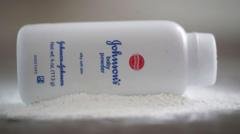
In a significant move to address years of litigation, Johnson & Johnson has announced a proposed settlement of up to $5.5 billion aimed at resolving numerous lawsuits filed in the United States concerning its talc-based baby powder. The company has faced thousands of claims alleging that its talc products contain asbestos, a known carcinogen, and that their use is linked to serious health issues, including ovarian cancer and mesothelioma.
This proposed settlement comes after a tumultuous legal history, where J&J was ordered to pay billions in damages to plaintiffs who linked their cancer diagnoses to the use of the company’s baby powder. The legal challenges have not only raised questions about the safety of talc but have also severely impacted the company’s market standing and public trust.
J&J has consistently maintained that its talc products are safe and do not contain asbestos. However, the legal claims and subsequent judgments have forced the company to reevaluate its approach to the product, which has been a staple in households for generations. The settlement proposal reflects a strategic shift as the company aims to mitigate the financial and reputational damage stemming from these lawsuits.
Expert Analysis & Impact
The proposed settlement represents a significant evolution in J&J’s legal strategy. Legal experts suggest that this move could help the company avoid the uncertainty and potential higher costs associated with ongoing litigation. By offering a substantial settlement, J&J appears to be prioritizing the resolution of these disputes over the lengthy and complex nature of trials.
However, the settlement also raises questions about accountability and corporate responsibility. Critics argue that a financial settlement does not equate to an admission of guilt, and this could set a precedent for how companies handle similar allegations in the future. The implications of this settlement extend beyond J&J, potentially influencing how other corporations navigate legal claims related to product liability.
Furthermore, the impact on the affected individuals and families who have suffered due to alleged exposure to harmful products cannot be understated. Many plaintiffs have expressed that while financial remuneration is welcome, it cannot replace the physical and emotional toll of their health battles. Legal advocates for these claimants emphasize the need for continued vigilance in ensuring that consumer products are safe.
Future Outlook
The proposed settlement is still subject to approval by the courts and will likely face scrutiny from both legal experts and the public. If approved, this resolution could pave the way for J&J to move forward with a renewed focus on product safety and consumer trust. The company has already begun to shift its business strategy, including discontinuing the sale of its talc-based baby powder in the U.S. and Canada, favoring cornstarch-based alternatives instead.
Looking ahead, the broader implications of this settlement could lead to increased regulatory scrutiny of talc products and similar consumer goods. The health and safety of everyday products may become a larger focal point for both consumers and regulators, prompting companies to invest more in safety testing and transparency.
Conclusion
Johnson & Johnson’s proposed $5.5 billion settlement to resolve baby powder lawsuits marks a pivotal moment in the ongoing battle over the safety of talc-based products. As the company seeks to close this chapter, it faces the dual challenge of restoring public trust while navigating the complex landscape of consumer safety and corporate responsibility. The outcome of this settlement could have lasting effects on the company, its consumers, and the broader market for personal care products.
As this situation develops, stakeholders across the spectrum will be watching closely, eager to see how J&J’s decisions will shape the future of product safety and corporate accountability in the consumer goods industry.
Context Reference: Original Publisher
About The Author