Key Takeaways
- UN Secretary-General Antonio Guterres labels Israeli settlements as a “flagrant violation” of international law.
- The expansion of these settlements is occurring amid rising tensions and violence in the region.
- The international community’s response is critical in addressing the ongoing conflict and its implications for peace in the Middle East.
The Core News Story
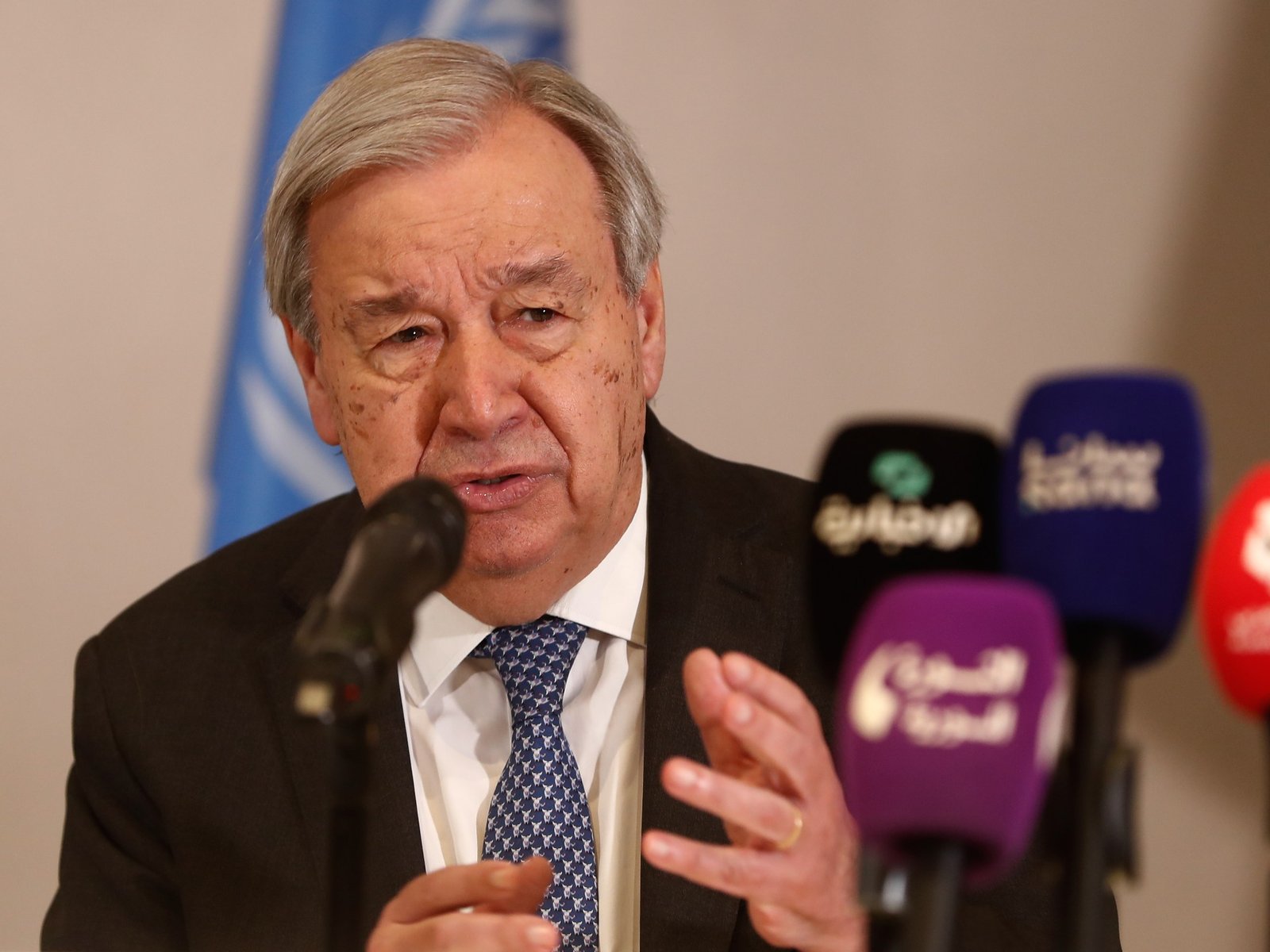
In a bold statement reflecting escalating tensions in the Middle East, United Nations Secretary-General Antonio Guterres has condemned Israel’s continued expansion of settlements in the occupied West Bank. Guterres characterized these actions as a “flagrant violation” of international law, highlighting the detrimental impact they have on the peace process between Israelis and Palestinians. The UN chief’s remarks come at a time when violence in the region has intensified, raising fears of prolonged conflict and instability.
The expansion of Israeli settlements has been a contentious issue for decades. International law, particularly the Fourth Geneva Convention, prohibits an occupying power from transferring its civilian population into the territory it occupies. Despite this, Israel has consistently pursued a policy of settlement expansion, which has been met with widespread condemnation from various countries and organizations worldwide.
Recent reports indicate that Israel has accelerated its settlement activities, prompting urgent calls from the UN and other international bodies for Israel to cease its expansionist policies. The Secretary-General’s comments are part of a broader appeal for renewed dialogue and a return to negotiations, emphasizing that the two-state solution remains the most viable path to peace in the region.
Expert Analysis & Impact
Experts in international relations and Middle Eastern politics have weighed in on Guterres’ statement, emphasizing the significance of UN condemnation in the current geopolitical landscape. Dr. Miriam Goldstein, a political analyst specializing in Israeli-Palestinian relations, remarked, “The UN’s position reinforces the notion that international law must be upheld, and it places pressure on Israel to reconsider its settlement policies. However, the effectiveness of such statements often depends on the response from the global community and whether they translate into actionable measures.”
Additionally, the ramifications of the settlement expansion extend beyond legal implications. Increased settlements often lead to heightened tensions on the ground, resulting in violent confrontations between Israeli settlers and Palestinian residents. This cycle of violence further complicates efforts for peace and reconciliation, making it imperative for international actors to intervene.
Moreover, the U.S. and other nations have historically played pivotal roles in mediating the Israeli-Palestinian conflict. As the Biden administration navigates its Middle East policy, experts suggest that it must strike a balance between supporting Israel’s security and advocating for Palestinian rights, particularly in light of escalating settlement activities.
Future Outlook
The future of Israeli settlements in the occupied West Bank remains uncertain, with several factors influencing the trajectory of this contentious issue. The current Israeli government, characterized by a right-leaning coalition, has shown a strong inclination towards settlement expansion. This poses significant challenges for any peace negotiations as Palestinian leadership continues to reject negotiations that do not address the settlement issue.
Looking ahead, the UN’s continued focus on this matter may lead to increased international diplomatic pressure on Israel. The European Union and other global actors may reconsider their policies towards Israel, particularly in terms of trade and diplomatic relations, should settlement expansions persist. Additionally, grassroots movements advocating for Palestinian rights have gained momentum globally, potentially influencing public opinion and prompting governments to take a firmer stance against Israeli settlements.
Conclusion
The UN’s condemnation of Israel’s settlement expansion in the occupied West Bank underscores a critical moment in the ongoing Israeli-Palestinian conflict. As violence escalates and international law is challenged, the call for a renewed commitment to peace and adherence to legal frameworks becomes increasingly urgent. The path forward will require concerted efforts from the international community, including renewed diplomatic engagement and a commitment to uphold the principles of justice and human rights for all involved.
Ultimately, the resolution of this longstanding conflict hinges on the willingness of both Israeli and Palestinian leaders to engage in meaningful dialogue and the role of the international community in facilitating such discussions. The stakes are high, not only for the people directly affected by the conflict but for the broader stability of the region.
Context Reference: Original Publisher
About The Author