
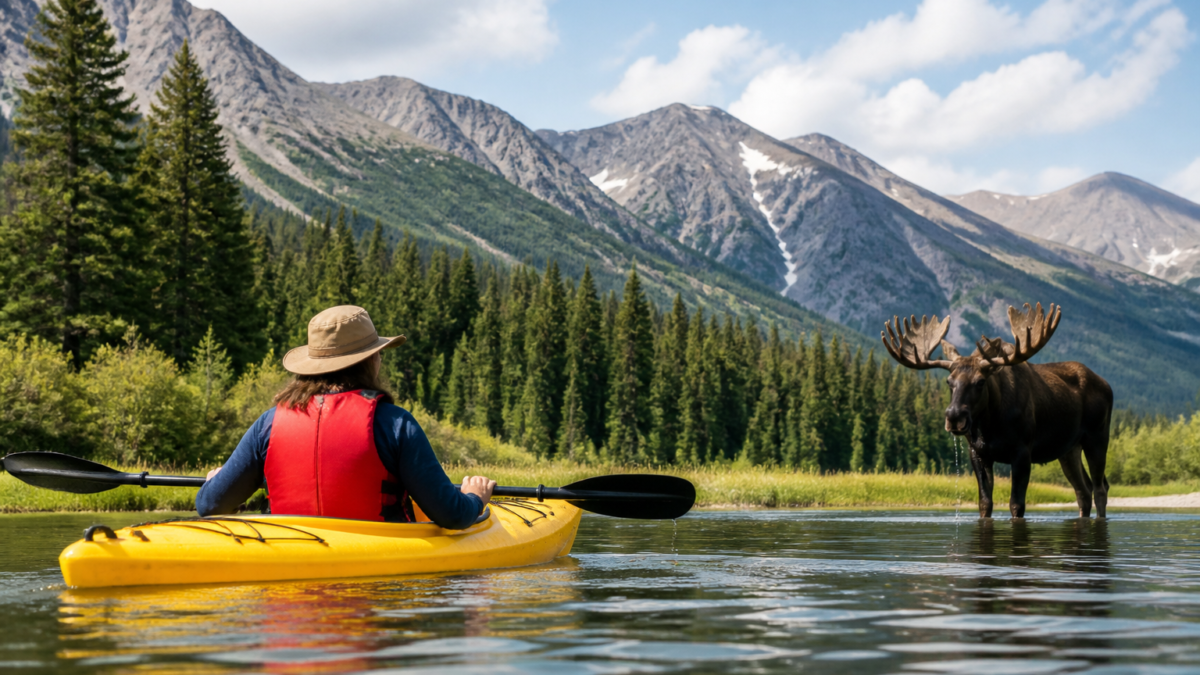
Both the United States and Canada offer extraordinary opportunities for wildlife enthusiasts. Their sweeping landscapes—from Yellowstone’s volcanic terrain to Manitoba’s icy coasts—provide sanctuary for some of the most iconic animals in North America. A wildlife tour across these countries isn’t just about spotting charismatic megafauna like bison, bears, or polar bears; it’s about witnessing entire ecosystems at work. If you dream of experiencing the wild in its purest form, the USA and Canada present a rich tapestry of nature-viewing possibilities, each unique and ever-changing. Thoughtful planning, guided tours, and careful adherence to regulations can turn your journey into not just a vacation, but an unforgettable, respectful engagement with the natural world.
Yellowstone National Park: America’s Wildlife Icon
Yellowstone, the world’s first national park, is renowned for its spectacular geothermal features and its unparalleled wildlife diversity. Its nearly 300 bird species, 67 mammal species (including bison, elk, grizzly and black bears, wolves), as well as unique fish, reptile, and amphibian populations, attract wildlife watchers worldwide. Visitors are reminded to maintain at least 100 yards from bears and wolves and 25 yards from other wildlife; the park provides designated pullouts and recommends binoculars for safe animal viewing. Yellowstone remains one of the best places to witness large herds of bison and perhaps even see wolves in their natural element[source].
Wildlife Wonders in Florida’s Everglades
The Everglades National Park preserves the largest tropical wilderness of any kind in the continental United States. It is famed for its vast biodiversity—in particular, as a refuge for threatened and endangered species such as the American alligator, Florida panther, manatee, and over 350 species of birds. Visitors encounter a fascinating blend of ecosystems, from sawgrass prairies to mangrove forests, teeming with life at every turn. An airboat tour reveals the best of Everglades wildlife, with opportunities to see everything from wading birds to elusive reptiles—all dependent upon respectful and responsible observation[source].
Churchill, Manitoba: Polar Bear Capital of the World
Churchill, situated along the Hudson Bay, has earned its international reputation as the “polar bear capital of the world.” Scientific estimates put the Western Hudson Bay polar bear population at approximately 935, many of which congregate near Churchill from mid-July through November as the sea ice recedes. The region’s official Polar Bear Alert Program ensures both visitor safety and wildlife conservation by regulating licensed tour operators and limiting vehicle numbers. Peak polar bear viewing typically occurs from mid-October through early November, but responsible wildlife tours operate under strict guidelines to ensure minimal impact on the bears and their habitat[source].
Comparing the Top Verified Wildlife Destinations
| Destination | Signature Wildlife | Best Viewing Season | Official Guidelines/Programs |
|---|---|---|---|
| Yellowstone National Park (US) | Bison, elk, wolves, grizzlies | Late spring – fall | Strict distance rules, pullouts, guided tours |
| Everglades National Park (US) | Alligators, manatees, birds, panther | Late fall – early spring (dry season) | Boardwalks, guided boat/airboat tours |
| Churchill, Manitoba (Canada) | Polar bears, beluga whales | Polar bears: Oct – Nov; Belugas: July – Aug | Polar Bear Alert Program, limited operator permits |
Tips for Enjoying Wildlife Tours Responsibly
- Choose evidence-backed tours: Book your trip with licensed operators knowledgeable about local wildlife, regulations, and conservation ethics.
- Respect distance: Use binoculars or telephoto lenses; never approach or feed wild animals.
- Dress and pack for the environment: Weather in parks and the Arctic can change rapidly—bring weather-appropriate layers, good waterproof boots, and sun/rain protection.
- Bring patience and quiet: Animals follow their own schedules. Move quietly, listen, and absorb the environment.
- Follow park rules & naturalist advice: Rangers and guides offer critical safety and conservation information—always heed their guidance.
FAQs About Wildlife Tours in the USA and Canada
- When is the best time to visit Yellowstone for wildlife?
- Spring and early summer are excellent for bison calves and birdwatching, while autumn is ideal for elk rutting and bear activity. Wildlife is visible year-round, though some species are more active at dawn or dusk[source].
- How close can you get to wildlife in Yellowstone?
- The National Park Service requires visitors to stay at least 100 yards from bears and wolves and 25 yards from other wildlife[source]. Use binoculars for safe and ethical observation.
- Is the Everglades safe for wildlife viewing?
- Yes, if you follow posted guidelines and stay on marked trails or boardwalks. Guided airboat or walking tours maximize safety and help spot wildlife without disturbing habitats[source].
- What makes Churchill unique for polar bear viewing?
- Churchill’s location on the edge of the Hudson Bay means polar bears aggregate here as they wait for sea ice to form. The town’s programs balance visitor access with conservation, making it among the world’s safest, most reliable spots for polar bear tours[source].
- Can you see polar bears anywhere in the US?
- Some populations occur in north Alaska, but the region’s remoteness and safety risks make guided tours rare compared to those in Churchill, Canada. Always check with accredited wildlife experts.
- Are wildlife tours family friendly?
- Most licensed operators offer tours suitable for all ages, with safety briefings and activities tailored to different experience levels.
- What essentials should I bring on a wildlife tour?
- Dress in layers, pack water, snacks, binoculars, a camera (with a zoom lens), and sun/rain protection. Check in advance for any region-specific gear required.
Essential Questions to Ask Before Booking a Tour
- Is the tour operator fully licensed and following all park or regional wildlife guidelines?
- What is the maximum group size?
- What wildlife is most commonly seen at this time of year?
- How long is the tour, and what level of physical ability is required?
- What is the cancellation or weather refund policy?
- Are children allowed, and are child-specific safety measures included?
Conclusion
Wildlife tours in the USA and Canada invite nature lovers to witness some of the planet’s most remarkable creatures in their natural surroundings. Destinations like Yellowstone, the Everglades, and Churchill stand out for their biodiversity and world-class viewing programs, all defined by strong conservation principles and visitor safety. Ensuring a respectful, memorable experience lies in choosing reputable, conservation-minded operators and adhering to local guidelines. With the right preparation, your wildlife adventure will be both awe-inspiring and gentle on the environment, creating memories—and perhaps insights—that will last a lifetime.












Leave a Reply