
Travel in 2024 offers an unparalleled array of destinations, drawing millions eager to discover iconic cultural landmarks and breathtaking natural wonders. Whether you’re a lifelong explorer or planning your first international trip, knowing where to go can make your adventure unforgettable. From timeless ancient marvels and architectural masterpieces to unique wildlife spectacles, this curated guide covers the top tourist attractions worldwide to inspire your next journey. Expect practical travel tips, highlights of each destination, and up-to-date insights you won’t find in outdated guides. Get ready to create your ultimate travel bucket list – these are the must-see spots shaping wanderlust in 2024 and beyond.
1. The Great Wall of China, China
Why it’s a top attraction:
The Great Wall of China is a legendary UNESCO World Heritage Site and one of the world’s greatest feats of engineering. The Wall’s total length—including all defensive segments, branches, trenches, and barriers—is officially measured at 21,196.18 kilometers (about 13,170.7 miles), spanning diverse terrains across northern China. While commonly cited as “over 13,000 miles,” visitors should note this monumental measurement covers many separate structures and periods, not a single unbroken wall. Envision walking through history, with breathtaking views of rugged mountains and sweeping plains at every turn.[source][source]
Travel Tip: For fewer crowds and equally dramatic scenery, visit lesser-known sections like Mutianyu or Jinshanling instead of the popular Badaling.
2. The Eiffel Tower, Paris, France
Why it’s a top attraction:
A symbol of elegance and Parisian romance, the Eiffel Tower stands 1,083 feet above the city—a must-see for all travelers to France. Dazzling by day and by its nightly illuminations, the tower offers sweeping cityscape vistas from its observation decks, plus a variety of dining experiences. Whether you admire the structure from the Champs de Mars or climb up for the panoramic view, the Eiffel Tower creates memories that last a lifetime.
Travel Tip: Save time by purchasing tickets online. Arrive early or after sunset for lighter crowds and stunning photo opportunities.
3. Machu Picchu, Peru
Why it’s a top attraction:
Perched high in the Peruvian Andes, Machu Picchu entices trekkers and history lovers alike. This UNESCO World Heritage Site, built by the Incas in the 15th century, features intricate stone architecture and dramatic landscapes shrouded in mist. At 2,430 meters (7,970 feet), the site delivers spectacular views and the thrill of uncovering a mysterious, once-hidden city.
Travel Tip: Combine your visit with a hike on the Inca Trail for the ultimate immersive adventure. Book in advance due to daily visitor limits.
4. The Pyramids of Giza, Egypt
Why it’s a top attraction:
The only surviving Wonder of the Ancient World, the Pyramids of Giza rise dramatically from the sands just outside Cairo. Over 4,000 years old, these monumental tombs—especially the Great Pyramid—continue to amaze with their sheer size, precision, and engineering mysteries. Explore surrounding complexes, temples, and the enigmatic Sphinx for a full experience steeped in ancient Egyptian grandeur.
Travel Tip: Visit in the early morning or late afternoon to avoid the midday heat and for optimal lighting for photos.
5. The Colosseum, Rome, Italy
Why it’s a top attraction:
The ancient Colosseum remains a jaw-dropping icon of Roman power and entertainment. Nearly 2,000 years old, it hosted gladiatorial contests and public spectacles that drew crowds of up to 50,000. Today, visitors can explore its preserved tiers, underground chambers, and learn the secrets of ancient engineering that made such feats possible.
Travel Tip: Choose a guided tour for exclusive access to the subterranean tunnels and arena floor for a deeper dive into history.
6. The Taj Mahal, India
Why it’s a top attraction:
One of the world’s ultimate symbols of love, the Taj Mahal was built by Emperor Shah Jahan in memory of his wife, Mumtaz Mahal. This breathtaking mausoleum, constructed from gleaming white marble set with precious inlays, lies amidst serene gardens along the Yamuna River—a UNESCO World Heritage treasure that must be experienced firsthand.
Travel Tip: Arrive at sunrise or sunset to see the façade glow in changing light, and to avoid peak midday crowds.
7. Santorini, Greece
Why it’s a top attraction:
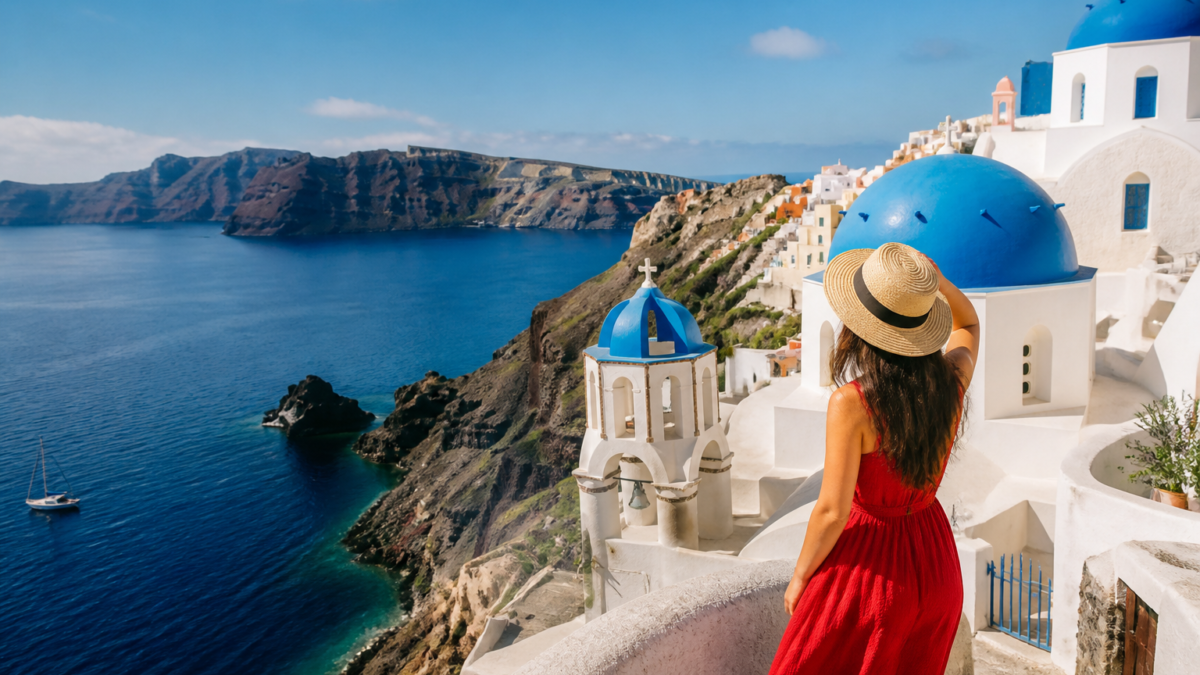
Santorini’s whitewashed villages, vibrant blue domes, and tumbling volcanic cliffs have entranced visitors for generations. Whether you seek mesmerizing sunsets in Oia, black-sand beaches, or intimate tavernas nestled in quiet villages, this Aegean gem caters to romantics and explorers alike. The island’s dramatic beauty makes it one of the most Instagrammed places on earth.
Travel Tip: Base your stay in Oia for iconic sunsets, but branch out to less-crowded villages like Pyrgos for local charm and quietude.
8. The Grand Canyon, USA
Why it’s a top attraction:
A natural wonder unrivaled in scale and splendor, the Grand Canyon’s 277-mile expanse reveals millions of years of geological history through vibrant rock strata. Whether you marvel at panoramic vistas from the rim, descend into its depths by trail, or fly above in a helicopter, the canyon never fails to inspire awe.
Travel Tip: The South Rim offers the most accessible viewpoints, while the North Rim is quieter but open seasonally. Adventurers can hike the South Kaibab or Bright Angel Trails for immersive vistas.
9. Sydney Opera House, Australia
Why it’s a top attraction:
An unmistakable symbol of Australia, the Sydney Opera House’s sail-like design graces the city’s harbor and welcomes millions to performances, tours, and culinary hotspots each year. Beyond architecture, the Opera House is a cultural epicenter with a rich program of opera, music, and theatre.
Travel Tip: Book a backstage tour to uncover fascinating details about its construction and attend a performance for the full Sydney experience.
10. The Serengeti, Tanzania
Why it’s a top attraction:
Witness the spectacle of the Serengeti—one of the planet’s most significant wildlife sanctuaries and host to the annual Great Migration. UNESCO states up to 2 million wildebeest, 900,000 Thomson’s gazelles, and 300,000 zebras participate in this seasonal trek across savannahs, though newer studies suggest there may be fewer wildebeest than previously thought. Regardless, the unbroken drama of predator and prey under endless skies is unmatched in scale and excitement.[source][recent study]
Travel Tip: Peak migration viewing occurs July–October; consider a hot air balloon safari for a breathtaking aerial perspective. Numbers may vary due to climate and conservation variables.
| Destination | Type | Key Highlight | Ideal Visit Time |
|---|---|---|---|
| Great Wall of China | Historic Landmark | Spans 13,170 miles across mountainous terrain | Spring/Autumn |
| Eiffel Tower | Modern Icon | Panoramic Paris views, illuminations | Spring/Fall |
| Machu Picchu | Cultural Ruin | Incan architecture, Andean scenery | Dry season (Apr–Oct) |
| Pyramids of Giza | Ancient Marvel | Oldest Wonder, mystery of construction | October–April |
| Colosseum | Historical Stadium | Roman history, underground tours | Spring/Autumn |
| Taj Mahal | Architectural Masterpiece | Marble beauty, romantic lore | Oct–Mar (avoid heat and monsoon) |
| Santorini | Island Paradise | Sunsets, caldera views, beaches | May–October |
| Grand Canyon | Natural Wonder | Vast geology, hiking, vistas | Spring/Fall |
| Sydney Opera House | Cultural Landmark | Modern architecture, harbour views | Year-round |
| Serengeti | Wildlife/Safari | Great Migration spectacle | July–October |
FAQs About Top Tourist Attractions Worldwide
- What is the best time to visit Machu Picchu?
April to October offers dry, clear weather ideal for hiking and exploring this high-altitude site. - How much of the Great Wall of China can you walk?
Several restored stretches (such as Mutianyu, Jinshanling, Badaling) are open to visitors, ranging from a couple of kilometers to longer day hikes. The entire wall’s length is not continuous for trekking. [source] - When can you see the Serengeti Great Migration?
The migration moves seasonally, but July–October is considered prime time for viewing river crossings and large herds in the Serengeti. [source] - Are these iconic attractions suitable for families with children?
Most are family-friendly with proper planning—check for stroller access, safety precautions, and guided tours tailored to young travelers at each location. - How can I avoid crowds at the world’s most popular attractions?
Visit during shoulder seasons, choose off-peak hours (early morning or evening), and pre-book tickets when possible to minimize wait times. - Is photography allowed at these attractions?
Photography is generally allowed at all listed sites but may be restricted in select interiors or sacred areas. Check signs and official guidelines onsite. - What are must-pack items for visiting different climates?
Essentials include sun protection, reusable water bottles, comfortable footwear, layered clothing, and, for some locations, insect repellent and local currency.
Conclusion: Start Your Journey — The World’s Best Await in 2024
The world’s most celebrated destinations beckon with moments of awe, reflection, and discovery. From legendary structures like the Great Wall and Taj Mahal to mesmerizing natural phenomena like the Grand Canyon and Serengeti Migration, these sites transcend travel trends—they are enduring testaments to humanity and nature. Whether you’re seeking romance beneath city lights, adventure in the wild, or historical immersion, these attractions offer windows into the richness of our planet. Research, plan, and embrace the journey—the world’s wonders in 2024 are ready for you.
Travel Checklist: What to Ask Before You Go
- What are the latest entry requirements (visas, permits, health protocols)?
- Do I need to book tickets or guides in advance?
- How accessible is the site (mobility, transport, language)?
- Are there safety advisories or conservation rules to follow?
- What are the peak and off-peak visiting times?
- Are there ethical considerations (wildlife encounters, cultural sensitivities)?
- What local experiences can enrich my visit (food, crafts, festivals)?











Leave a Reply