
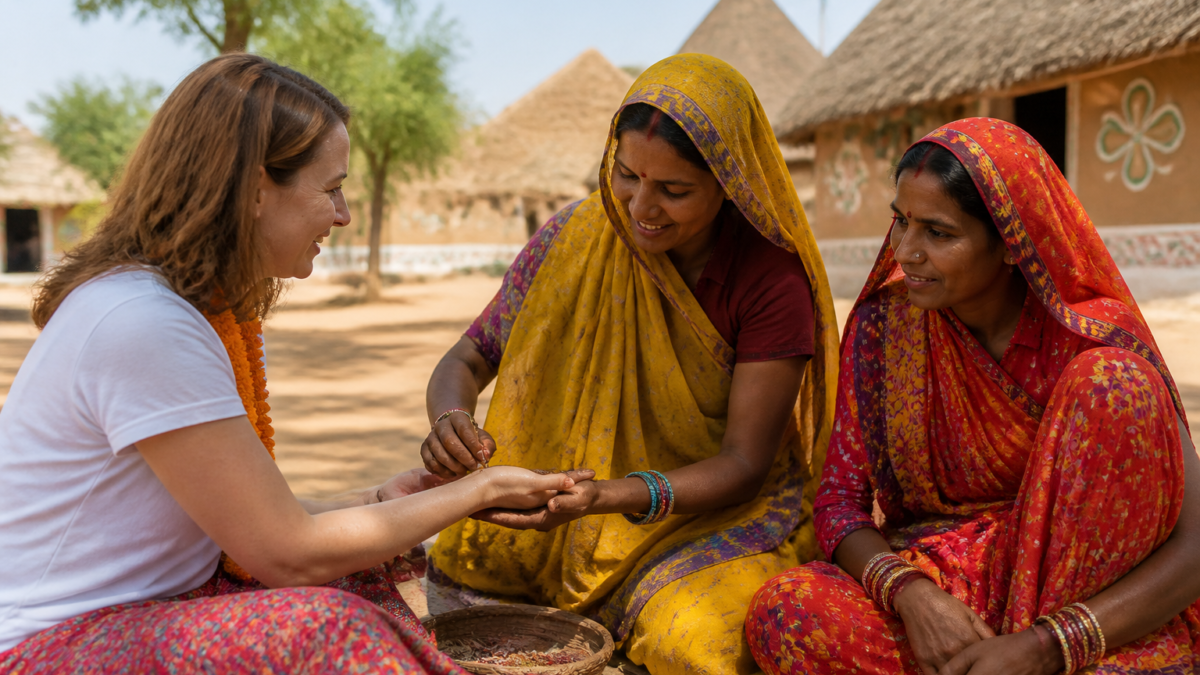
Travel has the power to reshape how we view the world, but true transformation comes from deep, authentic engagement—what researchers call cultural immersion travel. More than sightseeing or ticking landmarks off a list, cultural immersion is about experiencing daily life as locals do: eating their food, learning their customs, speaking their language, and opening yourself to new ways of thinking. Recent research shows that immersive travel leads to notable personal growth, greater empathy, lasting connections, and enhanced language and cognitive skills [source]. In this guide, we review the research-backed benefits of cultural immersion travel and outline practical steps to make your next journey truly transformative—for your own worldview as well as your relationships with others.
What Is Cultural Immersion Travel?
Cultural immersion travel goes beyond surface-level tourism. It’s the intentional pursuit of firsthand experience with another culture’s language, traditions, and social fabric. Unlike standard tours, immersion travelers aim to build relationships, embrace differences, and reflect on new perspectives. This can include participating in local events, staying with host families, and learning to navigate cultural norms through lived experience [source].
Major Benefits of Cultural Immersion Travel
1. Deepen Your Understanding of Local Culture
Immersion travel yields substantial cognitive and emotional benefits. A meta-analysis of 72 study-abroad programs found large increases in cultural knowledge and moderate gains in attitudes and adaptation skills (effect size δ ≈ 0.975 for knowledge, δ ≈ 0.649 for adaptation) [source]. You’ll learn the meanings behind local customs, values, and traditions in a nuanced context that’s impossible to replicate with guidebooks alone.
2. Expand Your Worldview and Empathy
Experiencing life abroad prompts you to empathize with people from different backgrounds. Studies show that structured immersion enhances openness toward cultural differences and encourages seeing the world through new lenses [source]. This expansion of your worldview is one of the most valued outcomes among travelers returning from authentic cultural experiences.
3. Develop Intercultural Competence and Personal Growth
Immersive experiences foster both intercultural skills and personal transformation. Recent research confirms that language learning and active engagement lead to identity growth, well-being, and stronger adaptability and flexibility [source]. Pre-trip preparation, active participation, and reflective practice are all critical to achieving these transformative outcomes [source].
4. Enhance Language Skills in Authentic Settings
Living in a place where the native language is spoken offers enormous opportunities for skill growth. Research shows that even short-term immersion improves communicative competence and vocabulary, while longer stays can dramatically boost fluency and confidence [source] [source]. Even learning basic phrases fosters respect and can enrich interactions with locals.
5. Build Lasting Connections and Mutual Understanding
Cultural immersion travel often leads to meaningful relationships, especially when travelers engage deeply with hosts and the surrounding community. Studies of language tourists and exchange program participants show intense local contact (e.g., homestays) correlates strongly with higher motivation and interpersonal connection [source] [source]. While not every connection becomes lifelong, many report returning home with new friendships and a richer sense of global community.
How to Plan a Culturally Immersive Trip
Cultural immersion is not accidental—it’s designed through thoughtful choices. Use the following research-based steps to maximize your experience:
| Planning Step | Why It Matters | Research Backing |
|---|---|---|
| 1. Research Destinations with Rich Cultural Context | Understanding local customs, laws, and traditions improves engagement and respect. | [State Dept. Checklist] |
| 2. Stay with Local Families or Opt for Homestays | Increases language exposure and deeper social ties. | [Language Tourism Study] |
| 3. Participate in Cultural Activities and Workshops | Enables firsthand learning about arts, crafts, festivals, and cuisine. | [Experiential Travel] |
| 4. Learn the Local Language (Even the Basics) | Facilitates communication, demonstrates respect, and deepens experience. | [L2 Acquisition in Travel] |
| 5. Practice Openness and Reflective Engagement | Openness is both a driver and a result of meaningful cultural adaptation. | [Czech Tourist Study] |
Checklist for Immersive Travel
- Research the country’s customs, social norms, and etiquette.
- Seek accommodation with locals or in longstanding residential neighborhoods.
- Identify upcoming festivals, markets, or workshops you can attend.
- Learn key phrases in the local language before arrival.
- Engage in pre-trip reflection: what are your hopes, questions, and challenges?
Cost Factors and Budgeting for Immersion Travel
Cultural immersion experiences can range from affordable to premium, depending largely on your accommodation choices and activities. Homestays, language schools, and volunteer opportunities are often less expensive than hotels or private tours, and may include meals or guided activities. Don’t forget to factor in travel insurance, local transportation, entrance fees to cultural sites, and potential costs for workshops or language classes. Doing research before your trip (and planning for unexpected expenses) will help maximize your options for immersive engagement without overspending [State Dept. Checklist].
Common Questions About Cultural Immersion Travel
How long do I need to travel for a truly immersive experience?
Short-term trips (2–4 weeks) can spark openness and cultural learning, especially with structured activities. However, greater language progress and deeper adaptation are more likely during stays of several months [source]. Quality and intention often matter as much as duration.
Can I get cultural immersion without speaking the language?
Yes—openness, respect, and nonverbal communication facilitate cultural understanding. However, learning even basic phrases deeply enriches interaction and signals appreciation to locals [source].
Are homestays always safe and reliable?
Reputable homestay programs vet hosts and provide support, but it’s important to check reviews, understand expectations, and communicate your needs. Government travel resources and established platforms can help you find safe options [source].
What if I make a cultural mistake while immersing myself?
Mistakes are often an inevitable part of immersion. Locals typically appreciate your effort if you show humility, apologize, and express willingness to learn. Preparation and openness reduce the likelihood of major missteps.
Can families, solo travelers, and older adults all benefit from immersion?
Yes, research and program data show that cultural immersion benefits people of all ages and backgrounds. Programs can be tailored for families, students, retirees, and solo travelers. Activities such as cooking, crafts, and language exchanges are suitable for a diverse range of participants [source].
How can I measure if my immersion trip was successful?
Indicators include growth in openness, confidence in social interactions, improved language skills, and newly formed friendships or networks [source]. Journaling before, during, and after your trip can help you reflect on your progress.
What are strategies for integrating immersion lessons after returning home?
Stay connected with friends you made, continue language study, cook dishes you learned abroad, and seek out local events celebrating global cultures. Reflective practice and ongoing learning reinforce the gains from your experience [source].
Conclusion: Why Prioritize Cultural Immersion Travel?
Cultural immersion travel stands out as a profound way to cultivate empathy, adaptability, intercultural skills, and lifelong personal growth. Unlike quick, tourist-centric trips, immersion experiences encourage you to live, learn, and reflect alongside locals, fostering real understanding rather than fleeting impressions. By researching destinations, considering homestays, engaging in local activities, practicing new language skills, and remaining open to learning, travelers can maximize the life-changing potential of every journey. No matter your age or background, investing in immersive travel is an investment in a broader, more connected future—for yourself and for the communities you visit.











Leave a Reply