
Key Takeaways:
- The Philippine peso reached a series of record lows against the US dollar during July and August 2026, prompting significant policy attention.[1]
- The Bangko Sentral ng Pilipinas (BSP) has emphasized it is prepared to intervene modestly to manage excessive volatility—though does not defend a fixed peso rate.[2]
- Imported inflation risks are top of mind for both policymakers and the private sector, spurring calls for further policy action if necessary.[3]
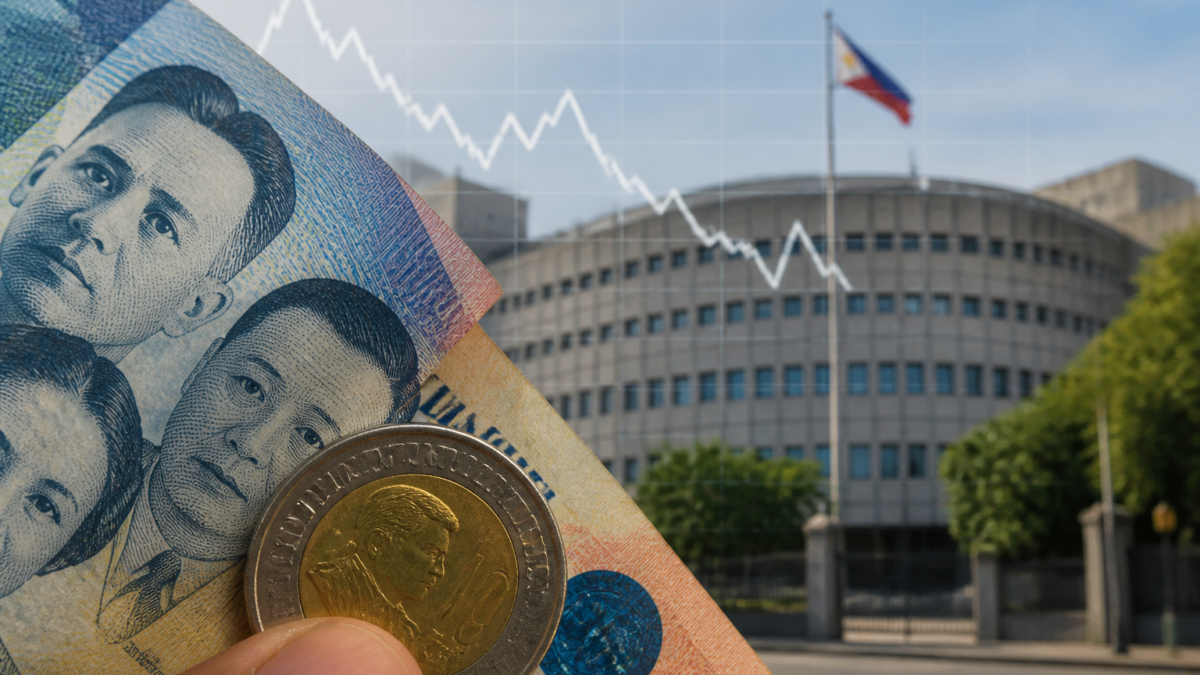
As of late September 2026, the Philippine peso remains under pronounced pressure, reflecting a confluence of global headwinds and local vulnerabilities. In July and August, the currency shattered prior records to close at ₱61.847/USD (July 24), ₱61.888/USD (August 27), and finally ₱62.265/USD (August 28).[4] These developments have reignited debate around the central bank’s strategic toolkit: from liquidity interventions and cautious rate hikes, to coordinated communication with financial markets. This article provides a detailed examination of what is driving the peso’s decline, how the BSP is responding, and what lies ahead for businesses and consumers.
Understanding the Peso’s Record Decline
The Philippine peso’s depreciation in mid-2026 is rooted in both global and domestic factors. A sharply strengthening US dollar, propelled by further policy tightening by the US Federal Reserve, has made emerging market currencies globally more vulnerable.[4] The situation was exacerbated by elevated global oil prices and heightened geopolitical frictions, both of which have negatively impacted Philippine import costs and external balances.
Between July and August 2026, the peso successively closed at all-time lows—₱61.847 per dollar (July 24), ₱61.888 (August 27), and ₱62.265 (August 28)—according to central bank records and daily financial reporting.[5] The episode underscored the peso’s sensitivity to changes in the global policy and commodity environment.
| Date | USD/PHP Closing Rate |
|---|---|
| July 24, 2026 | ₱61.847 |
| August 27, 2026 | ₱61.888 |
| August 28, 2026 | ₱62.265 |
BSP’s Intervention Philosophy: “Smoothing, Not Defending”
BSP Governor Eli Remolona has been consistent in describing the central bank’s intervention approach: the BSP is prepared to intervene—modestly and only to smooth volatility—rather than targeting or defending a particular exchange rate.[2] Recent public statements clarify that the central bank steps in only when it assesses that the peso is “under stress,” to provide liquidity and prevent disorderly swings that could spill over into the wider economy. There is, however, no explicit confirmation of a direct BSP intervention at the very recent record lows; rather, Remolona has indicated that preparedness is key.
Remolona also points to the dominant role of external shocks: “The peso’s recent movements mainly reflect the strength of the dollar and rising global oil prices getting passed through to our market.”[4]
How Weakness in the Peso Impacts the Philippine Economy
Economists warn that the peso’s steep decline carries profound ramifications, especially for a country heavily reliant on imported fuel, food, and raw materials. Even modest currency depreciation immediately makes dollar-priced imports costlier, which in turn feeds into the prices consumers pay locally—intensifying imported inflation.[3]
- Inflation: Higher import prices mean further upward pressure on headline inflation, especially for fuel and staple goods.
- Consumer Budgets: Elevated goods prices reduce the real purchasing power of households.
- Business Input Costs: Domestic companies reliant on imported raw materials contend with slimmer margins or pass-through costs to consumers.
Industry voices and private bank economists have been vocal in cautioning that, absent decisive central bank moves, further peso weakness could “anchor” inflation expectations at higher levels.[3]
The BSP’s Broader Stabilization Toolkit
While “modest intervention” in the currency markets garners headlines, the BSP’s broader anti-volatility arsenal includes monetary policy levers—most importantly, policy rate adjustments.[4] In response to rising imported inflation risks, the BSP has raised its benchmark rate twice in recent quarters: to 4.75% and later to 5.0%.[4]
Rate hikes aim to anchor inflation expectations, shore up the peso by making Philippine assets more attractive, and reinforce the bank’s commitment to price stability. Communications from Malacañang also underscore that the central bank’s mandate is to deploy all available tools to reduce currency volatility and support economic growth.[6]
Questions to Ask When Assessing Peso Market Developments
- What are the primary global drivers influencing currency flows into and out of Philippine markets?
- How might further US rate hikes or oil price surges affect the peso’s trajectory?
- What concrete tools—beyond intervention—does the BSP have to contain volatility?
- Are elevated inflation risks likely to persist into the coming quarters?
- How quickly can policy changes filter through to shield consumers and businesses from rising costs?
How Currency Volatility Might Shape Future Policy
Looking ahead, the BSP’s course depends on how global risks unfold. Private-sector analysts and central bank officials alike stress that if peso depreciation continues to fuel inflation or threaten economic stability, further interest rate hikes are possible.[4] Equally, should US monetary policy loosen or oil prices stabilize, it could offer much-needed relief to the peso and reduce urgency for further tightening.
For now, the BSP’s explicit stance is vigilance: it will “monitor the situation closely, and act as necessary” to head off disorderly market moves.[7] Market participants are watching for signals not only from domestic inflation data, but also from global central bank messaging and major commodity trends.
Comparison Table: BSP Tools for Peso Stabilization
| Policy Tool | Objective | Recent Usage |
|---|---|---|
| Modest FX market intervention | Prevent disorderly or excessive peso depreciation | Deployed as needed; not defending a fixed rate[2] |
| Policy rate hikes | Anchor inflation expectations, attract investor inflows | Two recent hikes: to 4.75% and 5.0%[4] |
| Forward guidance & communication | Reinforce stability expectations, calm market nerves | Governor’s statements, Malacañang support[6] |
FAQs
- What caused the peso to hit new record lows in 2026?
- The peso’s unprecedented declines in July and August 2026 were driven primarily by a strong US dollar, higher global oil prices, and geopolitical uncertainties—factors external to the Philippines but with significant local effects.[4]
- Is the BSP defending a specific peso exchange rate?
- No, the BSP does not aim to defend a particular exchange level. It intervenes modestly only to smooth out volatility and provide liquidity if the peso becomes disorderly.[2]
- Did the BSP intervene directly during the latest record lows?
- BSP leadership has not explicitly confirmed direct intervention on dates of each record low. Instead, they stress readiness to act as required.[8]
- How does a weaker peso affect inflation?
- Since the Philippines imports a large share of its fuel and other goods, a weaker peso means higher local prices, contributing to faster inflation. This impacts consumer budgets and can slow broader economic growth.[3]
- What else can the BSP do to support the peso?
- In addition to market intervention, the BSP can adjust policy interest rates, strengthen communication, and coordinate with fiscal authorities to shore up confidence.[4]
- Are further policy changes likely in the near term?
- Should currency weakness persist and fuel more inflation, further rate increases or renewed intervention remain on the table per BSP statements and market analysts.[4]
Conclusion
The record-breaking depreciation of the Philippine peso in mid-2026 signals the impact of major external forces—from global financial tightening to persistent oil price shocks. The BSP, under Governor Remolona, has so far opted for a strategy balancing modest interventions with proactive rate management, stepping in only as needed to prevent market disorder while anchoring longer-term inflation expectations. For businesses and households, elevated import costs and rising inflation remain key risks. Going forward, policy agility and transparent communication will be critical as the central bank continues to navigate a volatile global landscape in defense of macroeconomic stability.[2]









Leave a Reply