
Key Takeaways
- Brazil’s 12-month inflation rate dropped to 4.44% in July 2026, reaching within the central bank’s target range after months of food-led disinflation.[1]
- The Selic policy rate is at 14.00% after four consecutive cuts; the next Central Bank rate-setting meeting is scheduled for September 15–16, 2026.[2]
- Falling inflation, especially in food prices, has restored purchasing power and could support consumer spending and broader economic activity.
- The Central Bank has not committed to further rate cuts; decisions will depend on incoming economic data.[2]
The Current Economic Landscape in Brazil
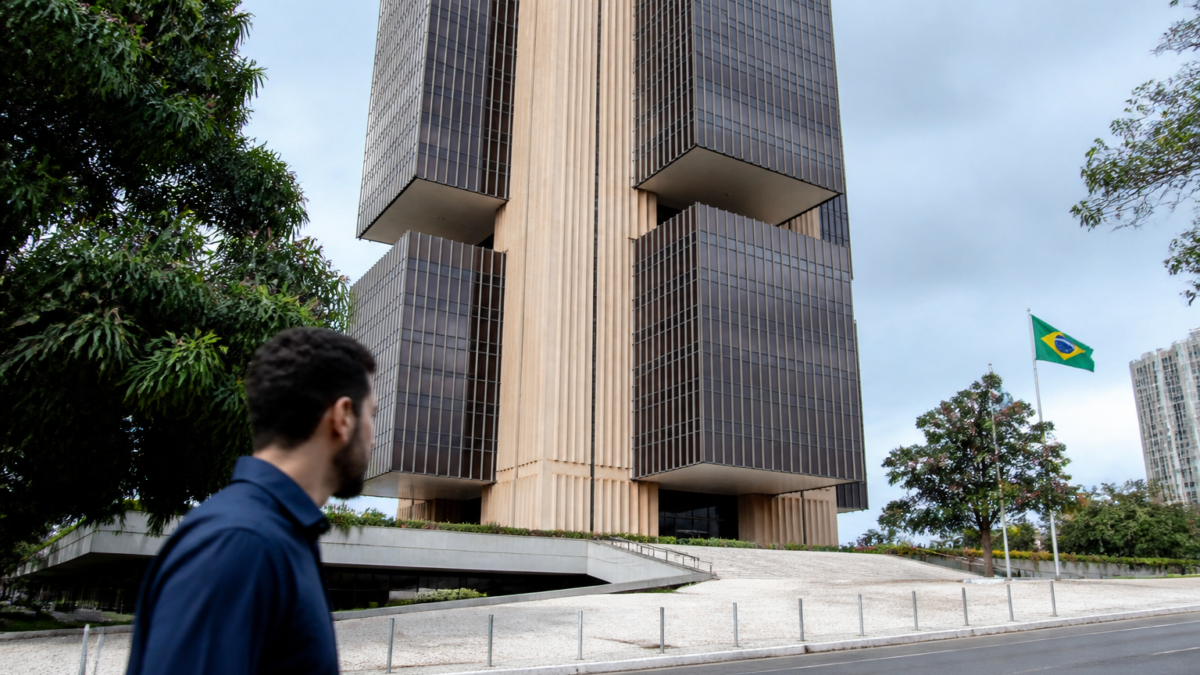
Brazil’s economic outlook for late 2026 is defined by a carefully managed disinflation process and cautious optimism among policymakers. According to the Brazilian Institute of Geography and Statistics (IBGE), the inflation rate over the 12 months to July 2026 fell to 4.44%. This marks the fourth consecutive month of slowing inflation, due in large part to a sustained decrease in food and beverage prices—especially items like tomatoes, potatoes, and carrots.[1] The moderation of price pressures provides some relief to Brazilian households and signals the efficacy of anti-inflationary measures over recent quarters.
Recent Inflation Trends and Data
Monthly inflation, as measured by the national IPCA index, was 0.07% in July after a 0.16% gain in June. The sustained moderation means that, for the first time in several months, 12-month inflation has moved decisively within the Central Bank’s target band.[3]
| Period | Monthly Inflation (IPCA) | 12‑Month Inflation |
|---|---|---|
| April 2026 | 0.31% | 5.47% |
| May 2026 | 0.23% | 5.22% |
| June 2026 | 0.16% | 4.64% |
| July 2026 | 0.07% | 4.44% |
These improvements have largely been credited to sharp price drops in fresh produce and continued disinflation across other food categories.[1]
Central Bank: Interest Rate Strategy and Outlook
The Central Bank of Brazil, through its Monetary Policy Committee (Copom), has responded to the decelerating inflation by sequentially lowering its benchmark interest rate (the Selic). Since May 2026, Copom has enacted four 25 basis-point cuts, leaving the Selic at 14.00% following its August 5, 2026 decision.[2]
The next Copom meeting is set for September 15–16, 2026.[4] While the series of cuts reflects increased confidence about future inflationary pressures, Copom reiterated at its last meeting that future changes to the policy rate would be data-dependent. The committee has not provided explicit guidance regarding another imminent reduction, instead highlighting the need for caution amid global uncertainty.[2]
How Lower Inflation Impacts Brazilians
Disinflation, especially in food prices, directly benefits average consumers by boosting their real purchasing power. For many Brazilian families, staples such as tomatoes, potatoes, and carrots have become significantly more affordable. This trend, if sustained, can free up household budgets, encourage discretionary spending, and underpin broader economic growth.[1] However, experts note that the full effects depend on labor market trends and ongoing government fiscal policies.
Potential Implications for Businesses
For businesses, stable or falling inflation rates usually mean improved planning horizons and lower interest costs. As borrowing becomes more affordable, firms in sectors such as retail, industry, and construction could accelerate their investment and hiring plans. The trajectory of industrial input costs and global commodity prices, however, remains a key variable for the coming months.
Checklist: What to Watch Ahead of Copom’s September Meeting
- Upcoming inflation releases: Monitor August and September IPCA data for fresh signs of disinflation or potential reacceleration.
- Global monetary policy trends: Major rate decisions by the US Federal Reserve and European Central Bank might influence Copom’s risk assessments.
- Domestic fiscal developments: Watch for any changes to government spending or tax policy that could affect inflation expectations.
- Currency volatility: Fluctuations in the real can impact import prices and inflation pass-through.
Comparison Table: Recent Copom Decisions
| Date | Selic Policy Rate | Decision |
|---|---|---|
| May 2026 | 14.75% | −0.25% |
| June 2026 | 14.50% | −0.25% |
| July 2026 | 14.25% | −0.25% |
| August 2026 | 14.00% | −0.25% |
Risks and Unknowns in Brazil’s Macroeconomic Outlook
While current data points toward a continued period of disinflation, several external and domestic risks remain. Fluctuations in global commodity prices could quickly translate into higher Brazilian inflation, especially if oil or agricultural prices spike. Additionally, unforeseen policy shifts or political dynamics, particularly in a pre-election environment, may introduce volatility. The Central Bank’s stated commitment to data-driven decisions suggests that any negative surprises—domestic or global—could slow or halt the current easing cycle.[2]
FAQs
- What is Brazil’s current official inflation rate?
- Brazil’s 12-month official inflation (IPCA) was 4.44% in July 2026, marking the fourth straight month of deceleration and bringing the rate within the Central Bank’s target range.[1]
- What is the current Selic interest rate?
- The Selic policy rate set by the Central Bank of Brazil is 14.00% after four consecutive cuts of 25 basis points each since May 2026.[5]
- Is another interest rate cut expected at the upcoming Copom meeting?
- The Central Bank has not made any firm commitment to another rate cut at its September 15–16, 2026 meeting. Policymakers have indicated that decisions will rely on forthcoming inflation and economic data, rather than pre-announced targets.[2]
- Why is inflation slowing in Brazil?
- The primary reason is a decline in food and beverage prices, with items like tomatoes, potatoes, and carrots seeing sharp price drops. This has contributed significantly to the moderation of overall consumer prices.[1]
- Will lower inflation help the Brazilian economy recover?
- Lower inflation generally supports consumer purchasing power and can bolster economic growth. While this trend is encouraging, the extent of its impact will depend on employment dynamics, policy direction, and global economic conditions.
- What risks could reverse disinflation in Brazil?
- Rising global commodity prices, exchange rate shocks, or expansionary fiscal policies could all contribute to a reacceleration of inflation and potentially pause the Central Bank’s current easing cycle.
Conclusion
Brazil navigates late 2026 with cautious optimism as inflation slips within the central bank’s desired range for the first time in months. Consumer relief from food price deflation and a more accommodative monetary stance highlight recent successes in macroeconomic management. Still, while policymakers have breathing room to consider further Selic reductions, no definitive move is guaranteed for the upcoming Copom meeting. The evolution of inflation, both at home and from abroad, alongside policy agility, will be crucial in determining the near-term path for Latin America’s largest economy.[1][2]
References: Agência Brasil, IBGE, Investing.com, Central Bank of Brazil








Leave a Reply