
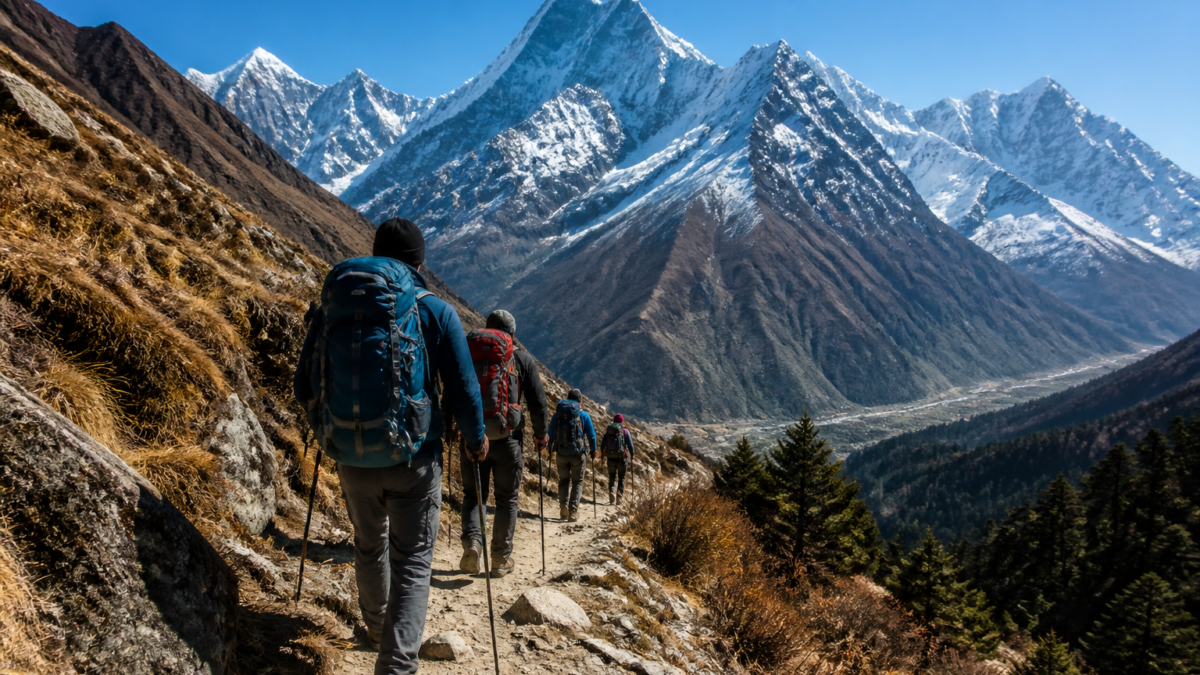
The Himalayas, stretching across Nepal and India, offer some of the globe’s most awe-inspiring hiking adventures. From ancient footpaths winding past soaring peaks to high-altitude monasteries and lush flower valleys, each trek reveals breathtaking natural beauty and rich cultural diversity. Deciding on the right Himalayan trek involves weighing not just sights and challenge, but also seasons, permits, and personal fitness. In this comprehensive review, we cover the best-verified hiking tours in Nepal and India as of late 2026, up-to-date requirements, ideal travel windows, and what to expect on each iconic route. Whether you’re a seasoned mountaineer or a curious first-timer, discover which Himalayan adventure is right for you.
Table of Contents:
- Everest Base Camp Trek, Nepal
- Annapurna Circuit Trek, Nepal
- Markha Valley Trek, India
- Kanchenjunga Base Camp Trek, Nepal
- FAQs: Hiking in the Himalayas
- Choosing Your Perfect Trek: Comparison Table
- Essential Questions for Trek Planners
Everest Base Camp Trek, Nepal
Why it’s a classic: Among the world’s most legendary hikes, the Everest Base Camp (EBC) trek takes you directly into the heart of the highest mountains. The trail traverses Sherpa villages, glacial valleys, and serene Buddhist sites—a pilgrimage for adventure lovers worldwide.
- Summit views from Kala Patthar, the best non-climbing viewpoint of Everest.
- Overnight in bustling Namche Bazaar, hub for trekkers and traders.
- Visit the spiritual Tengboche Monastery amid mountain landscapes.
Typical Duration: 12–14 days depending on route and acclimatization stops[NTB].
Best Time: Late September–November and March–May for clear skies, stable weather, and cultural festivals[TrekEverestNepal].
Permits & Requirements: All trekkers must travel with a licensed guide and obtain a TIMS Card[NTB].
Annapurna Circuit Trek, Nepal
Why it’s a must-do: The Annapurna Circuit is famed for its range of ecosystems in a single journey, from subtropical jungles and river gorges to high mountain deserts. Circumnavigating the Annapurna Massif, trekkers encounter ancient villages and sacred shrines, capped by a high pass crossing.
- Ascend Thorong La Pass (5,416 m), the trek’s dramatic high point[Annapurna-Trekking.com].
- Experience Muktinath Temple, revered by Hindu and Buddhist pilgrims.
- Soothe tired muscles at Tatopani hot springs.
Typical Duration: 14–21 days, varying with pace and side trips[Annapurna Mun Kaski].
Best Time: September–November (autumn) and March–May (spring)[Annapurna Mun Kaski].
Permits: Annapurna Conservation Area Permit (ACAP) and TIMS Card required for all trekkers[NTB].
Markha Valley Trek, Ladakh (India)
Why it stands out: Set amidst the wild moonscapes and ancient Buddhist culture of Ladakh, the Markha Valley Trek traverses dramatic valleys, remote villages, and high passes. It offers a unique mix of Himalayan terrain and cultural encounters in India’s far north.
- Trek over Kongmaru La Pass (~5,260 m)—panoramic views of the Zanskar Range[TrekGo.in].
- Stay in traditional Ladakhi homestays and experience village hospitality.
- Explore nearby Buddhist monasteries, such as Hemis and Thiksey (often visited on rest or travel days).
Duration: Typically 7–8 days for the full route[Tourism Ladakh].
Best Time: June–September, with July and August favored due to the dry, rain-shadow climate[TrekGo.in].
Kanchenjunga Base Camp Trek, Eastern Nepal
Why it appeals: The journey to the base of Mount Kanchenjunga—the world’s third-highest summit (8,586 m)—is a remote and pristine trekking adventure. The long trek traverses alpine meadows, isolated hamlets, and majestic valleys little changed in centuries.
- Reach both northern and southern base camps of Kanchenjunga (typically as major route variations).
- Pass through traditional Rai and Limbu villages with deep-rooted cultural identity.
- Views rumored of Everest and Makalu but current verification needed for regular routes.
Typical Duration: Usually 20–25 days, depending on approach and rest days (source required for exact durations).
Best Time: Traditionally March–May and September–November, but up-to-date official guidance is needed.
Permits: Trekkers must travel with a licensed guide and obtain both a TIMS Card and restricted area permit in Nepal[NTB].
Unverified But Popular Treks: Caution Advised
Several renowned Himalayan treks frequently featured in adventure lists lack recent or confirmed data from current official tourism sources. This includes:
- Langtang Valley Trek (Nepal): Duration, season, and highlights not formally verified by Nepal Tourism Board in the 2026 search. Confirm details with a reputable agency before planning.
- Roopkund Trek (India): Altitude, duration, and season unconfirmed; some routes may face restrictions due to conservation measures—check Uttarakhand Tourism for latest info.
- Valley of Flowers Trek (India): While renowned for its blooms and proximity to Hemkund Sahib, trustworthy updates on trek duration, accessibility, and best time to visit require confirmation.
For these treks, always verify with latest official sources or authorized trekking providers before commitment.
Himalayan Trekking Comparison Table
| Trek | Days | Best Season | Route Highlights | Permit/Guide Requirement |
|---|---|---|---|---|
| Everest Base Camp | 12–14 | Mar–May, Sep–Nov | Kala Patthar, Namche Bazaar, Tengboche Monastery | Yes (Guide + TIMS) |
| Annapurna Circuit | 14–21 | Mar–May, Sep–Nov | Thorong La Pass, Muktinath, Tatopani | Yes (TIMS + ACAP) |
| Markha Valley (Ladakh) | 7–8 | Jun–Sep | Kongmaru La Pass, Ladakh Villages, Monasteries | Check with local authorities |
| Kanchenjunga B.C. | 20–25 | Mar–May, Sep–Nov★ | Remote villages, base camps, alpine scenery | Yes (Guide + TIMS + Restricted) |
★Exact season and highlights for Kanchenjunga should be confirmed with official sources for 2026.
FAQs: Himalayan Hiking Tours
Q1: What is the best time to hike in Nepal and Indian Himalayas?
Early autumn (September–November) and spring (March–May) are ideal for most treks in Nepal, with dry weather, clear visibility, and fewer weather-related disruptions[NTB]. In Ladakh (Markha Valley), peak trekking falls in June–September when the high passes are open[TrekGo.in].
Q2: How fit do I need to be?
Most major treks are moderate to strenuous. Good fitness is essential—you should be able to walk several hours a day at altitude. High-altitude routes (e.g., EBC, Markha Valley) require time for acclimatization and awareness of altitude sickness[TrekGo.in].
Q3: Is a guide mandatory for trekking in these regions?
In Nepal, guided trekking is now mandatory for many major routes, including Everest and Kanchenjunga[NTB]. Rules may vary in India—always confirm local requirements.
Q4: Are these treks suitable for beginners?
Shorter, lower-altitude treks (e.g., Ghorepani or short sections of Annapurna) are suitable for fit beginners. High-altitude/long-duration treks should be reserved for experienced hikers.
Q5: What essential permits do I need?
Permits like the TIMS Card (Nepal) and regional area permits (e.g., ACAP for Annapurna) are mandatory for foreign trekkers on most routes[NTB]. In India, specific permits may be needed for protected or border areas.
Q6: What gear is required for Himalayan treks?
Packing lists depend on the trek and season, but generally include hiking boots, technical clothing in layers, rain gear, sleeping bag, and a water purification method. Refer to the latest official or reputable agency guidelines for details.
Checklist: Essential Questions to Ask Before Booking
- What permits are required and how are they obtained?
- Are guides and porters included—and are they certified, local, and insured?
- What’s the daily altitude gain and how is acclimatization handled in the itinerary?
- Is evacuation (emergency) included or available?
- What is the cancellation or weather policy for flights (especially to Lukla)?
- Where does drinking water come from en route—bottled or filtered?
- What seasonal weather challenges or closures might affect the route?
These questions help ensure a safe, enjoyable, and legally compliant Himalayan trek.
Conclusion: Start Your Himalayan Hiking Adventure
The mighty Himalayas of Nepal and India beckon with unmatched trails—whether you’re after Everest views, Annapurna’s cultural circuit, or remote valleys of Ladakh. For 2026, staying up-to-date with seasons, official permit rules, and minimum guide requirements is essential for a safe and rewarding trek. Always verify current details and consult reputable, authorized tour agencies before booking. Your Himalayan adventure promises the journey of a lifetime—just make sure it’s planned so you can enjoy every step.











Leave a Reply