Key Takeaways
- Warsh’s focus on energy market volatility as a key factor in rate decisions.
- The influence of AI on price stability and inflation metrics.
- Political pressures and task force recommendations complicate his stance.
The Core News Story
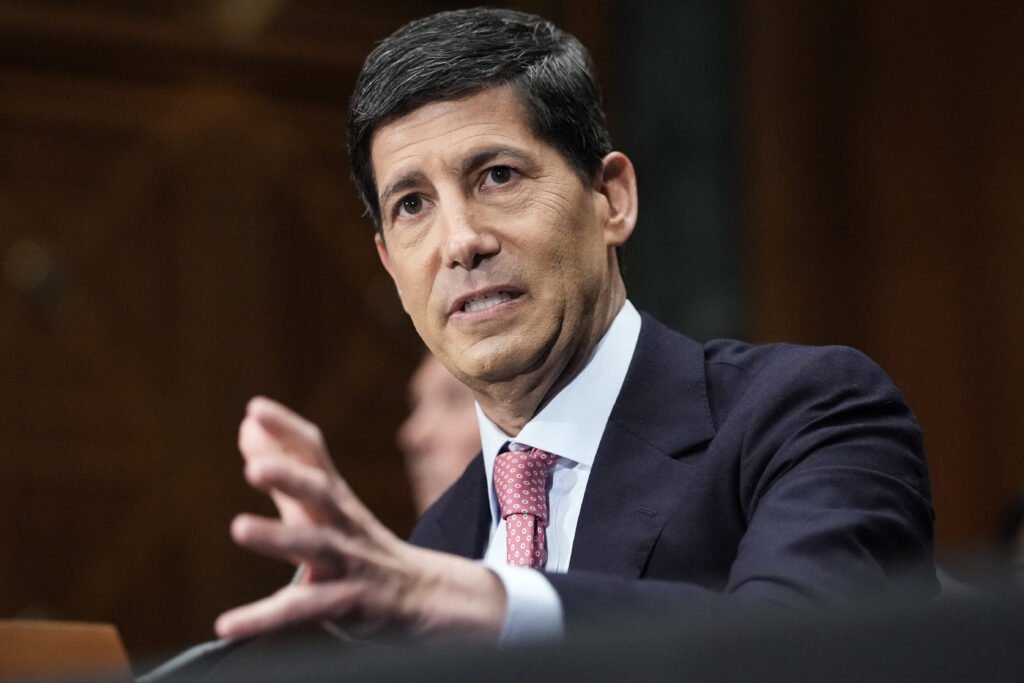
This week, all eyes are on Kevin Warsh as he steps into his role as the new chairman of the Federal Reserve. The upcoming July meeting is particularly crucial as it is expected to set the tone for monetary policy in the coming months. With the economy facing unique challenges, Warsh has several critical considerations to weigh before deciding whether to implement a rate hike. Analysts are keenly observing his approach to three major factors that could sway his decision: energy market shocks, the impact of artificial intelligence on inflation, and the political pressure stemming from the Trump administration.
First and foremost is the volatility in energy markets. Recent fluctuations in oil and gas prices have raised concerns about inflationary pressures that could affect consumer spending and overall economic stability. Warsh will need to carefully analyze whether the current energy shocks are temporary or indicative of a longer-term trend. A sudden spike in energy prices could lead to a ripple effect across various sectors, forcing him to reconsider an immediate rate increase to avoid stifling economic growth.
Secondly, the rise of artificial intelligence has begun to reshape industries and influence pricing strategies. As AI technologies become more integrated into production and service delivery, they have the potential to either suppress or exacerbate inflation. Warsh will have to assess how AI-driven efficiencies and innovations are influencing the cost of goods and services. This will require a nuanced understanding of how these technologies interact with traditional economic indicators.
Finally, Warsh faces significant political pressure, particularly from the Trump administration, which has been vocal about its expectations for the Fed’s monetary policy. The influence of task forces and advisory groups may also weigh heavily on his decision-making process. Navigating these political dynamics will be crucial as he seeks to maintain the Fed’s independence while addressing the concerns of stakeholders who advocate for a more aggressive approach to interest rates.
Expert Analysis & Impact
Economic experts are divided on how Warsh should approach the potential rate hike. Some argue that maintaining low interest rates is essential for sustaining economic momentum, especially as the labor market continues to recover from the impacts of the pandemic. Others caution that failing to respond to inflationary pressures could undermine long-term economic stability.
The consensus among analysts is that the interplay of energy prices, AI, and political pressures will create a challenging environment for Warsh. If he chooses to delay a rate hike, it could signal to markets that the Fed is prioritizing growth over inflation control. Conversely, an immediate rate increase could instigate volatility and uncertainty among investors who are already jittery about the state of the economy.
Moreover, Warsh’s decision will likely have implications beyond the U.S. economy. Global markets are closely monitoring the Fed’s actions, and a shift in policy could impact exchange rates, investment flows, and international trade dynamics. The interconnectedness of today’s economy means that Warsh’s choices will resonate far beyond American borders.
Future Outlook
Looking ahead, the Fed’s trajectory will depend significantly on the outcomes of Warsh’s July meeting and how he navigates the complexities of the current economic landscape. If energy prices stabilize and AI continues to contribute positively to productivity without igniting inflation, there may be room for gradual rate increases in the future. However, should volatility persist, Warsh may opt for a more cautious approach, prioritizing economic stability over aggressive rate hikes.
Moreover, the political environment is likely to remain a contentious backdrop for Warsh’s decisions. As the 2024 elections draw closer, the Fed’s policies will be scrutinized through a political lens, with various factions advocating for their preferred monetary strategies. Warsh will need to balance these pressures with the Fed’s mandate of fostering maximum employment and price stability.
Conclusion
In conclusion, Kevin Warsh’s inaugural meeting as Fed chairman presents a defining moment that could shape monetary policy for years to come. With energy market shocks, AI-driven inflation dynamics, and political pressures looming large, his decision on whether to implement a rate hike will be critical. As stakeholders await his announcement, the implications of his choices will extend beyond the U.S. economy, influencing global markets and setting the stage for future economic policies. The coming days will be pivotal as Warsh weighs these factors to navigate the complex terrain of modern monetary policy.
“`
Context Reference: Original Publisher
About The Author
