
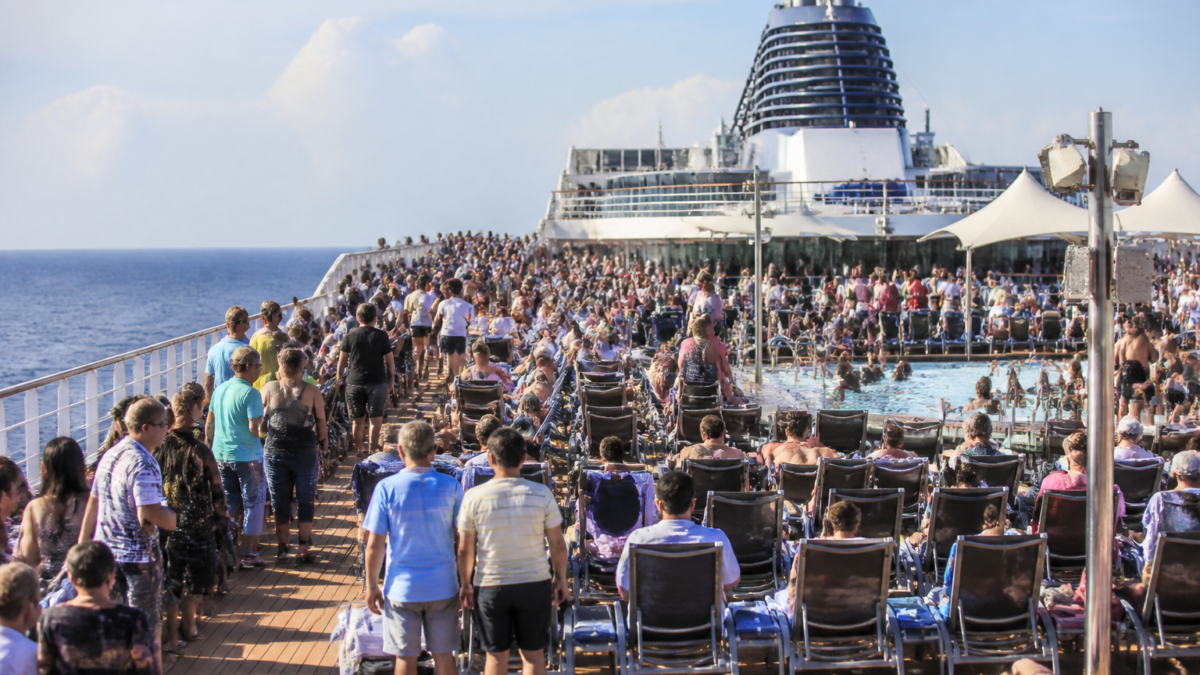
Searching for Adsvertic Travel Deals: Most People Are Still Booking the Wrong Cruises in 2026 should lead to better planning, not a rushed booking decision. A cruise can be an excellent value, but the lowest advertised fare is not automatically the right choice. The ship’s atmosphere, cabin location, dining model, port schedule, travel documents, gratuities, flights, excursions, and cancellation rules can matter as much as the itinerary itself.
One major change in cruise shopping is that travelers now have more distinct vacation styles to compare. Traditional large-ship cruises may be ideal for multigenerational groups, water slides, children’s programming, and broad entertainment choices. Adults-only cruises can be a stronger match for couples, friend groups, solo adults, and travelers who prefer a quieter pool deck, flexible dining, and nightlife that is designed around grown-up guests. The point is not that one format is universally better. It is to book the experience that fits how you actually want to spend your time and money.
This guide explains how U.S. travelers can compare 2026 cruise deals intelligently, with a close look at adults-only options such as Virgin Voyages. It also covers the costs that are often missed, the questions to ask before paying a deposit, and the practical steps that can protect a vacation from avoidable surprises.
Adsvertic Travel Deals: Most People Are Still Booking the Wrong Cruises in 2026
The most common cruise-booking mistake is choosing by headline price alone. A fare may look attractive because it covers the cabin and basic meals, yet still leave room in the budget for daily service charges, internet access, specialty restaurants, beverage packages, port expenses, transfers, gratuities, airfare, travel protection, and shore activities. None of those items are automatically unreasonable; they simply need to be compared consistently.
Another mistake is booking a ship before deciding on the desired vacation pace. Some travelers want a full schedule, family activity areas, production shows, and a large choice of casual venues. Others would rather prioritize an adults-only environment, restaurant-style dining, wellness classes, and late-evening social spaces. A traveler who dislikes crowds can be unhappy on an otherwise well-reviewed family-focused ship. Conversely, a family traveling with children should not book an adults-only line expecting an exception.
Virgin Voyages is one prominent adults-only option: its voyages are limited to guests age 18 and older. The line says its fare includes dining across more than 20 eateries, basic Wi-Fi, group fitness classes, entertainment, soda, water, tea, and coffee. Its current ticket contract also makes clear that alcoholic drinks, specialty beverages, premium Wi-Fi, shore excursions, spa services, airfare, hotels, travel insurance, medical care, retail purchases, and service gratuities are not included in cruise-only pricing. That distinction is exactly why comparing the complete trip cost matters. Read the line’s current cruise overview and ticket contract before treating any inclusion as guaranteed for a particular booking.
Start With the Cruise Style, Not the Sale
Before comparing dates or cabins, write down the non-negotiables for your trip. This takes a few minutes and helps prevent a deal from steering you toward the wrong vacation.
| Vacation priority | What to look for | Potential mismatch to avoid |
|---|---|---|
| Quiet adult getaway | Adults-only policy, flexible dining, fewer family-focused spaces | Booking a ship built around children’s attractions and school-break crowds |
| Family vacation | Youth programs, family cabins, kid-friendly pools and dining | Assuming every cruise line accepts children |
| Food-focused trip | Included restaurant choices, reservation rules, dietary support, dining hours | Assuming all venues are included or walk-in availability is unlimited |
| Port-intensive sightseeing | Long port calls, realistic transit times, manageable excursion plans | Choosing an itinerary with too many short calls to enjoy independently |
| Rest and ship time | Sea days, spa and pool preferences, cabin comfort, onboard programming | Paying extra for ports you do not plan to explore |
| Lowest total cost | Itemized comparison of fare, taxes, gratuities, flights, hotel and extras | Comparing only the initial per-person fare |
Adults-only sailing is not synonymous with silent sailing. It may still include music, bars, shows, social events, and a lively evening scene. “Adults-only” answers an age-policy question; it does not promise a specific noise level, dress code, crowd type, or romantic experience. Review the itinerary and daily-program descriptions, then choose a sailing length and departure date that suit your preferences.
For readers specifically considering this format, our guide to Virgin Voyages cabins, amenities, and booking tips can help narrow the room choices after you have selected the right trip style.
Compare the Total Cost, Not Just the Cruise Fare
A fair comparison uses the same assumptions for every sailing. Add the costs you know you will incur, then set aside a realistic amount for variable spending. Promotions can change, sell out, carry cabin restrictions, or apply only to new bookings and selected departure dates. A discount on a second guest, a cabin upgrade, onboard credit, resident rate, or pay-in-full offer may be valuable, but only after you read the current terms.
Virgin Voyages’ promotional terms state that offers, eligible cabins, sail dates, exclusions, and combinability can change. For example, a pay-in-full promotion available when researched offered a percentage discount on the voyage fare, excluding taxes and fees, for eligible bookings paid in full at least 365 days before departure. That is a useful illustration of why a traveler should not assume an offer applies to every 2026 sailing or wait to verify terms after booking. Check the line’s live promotional terms and conditions on the day you make a decision.
A practical all-in budget worksheet
- Cruise price: Use the fare for every traveler, not a “from” price.
- Taxes, fees, and port expenses: Confirm the final booking screen amount.
- Gratuities or service charges: Check whether they are already in the fare or charged separately.
- Transportation: Include flights, baggage fees, airport parking, rideshare, transfers, and fuel if driving.
- Pre-cruise hotel: Consider arriving at least a day early when flying to the embarkation port, especially during seasons with weather or air-traffic disruption risk.
- Cabin selection: Price the room category you would genuinely accept, including any preferred location.
- Onboard extras: Budget for alcoholic drinks, specialty coffee, spa visits, casino play, premium internet, retail, laundry, or paid fitness offerings if relevant.
- Port spending: Add excursions, local transportation, meals, tips, beach access, and souvenirs.
- Travel protection: Compare benefits, exclusions, pre-existing-condition rules, limits, and claims procedures before purchasing.
Do not count marketing value as cash savings unless you would have bought the included item anyway. Included Wi-Fi is valuable for a traveler who needs it; it has little practical value to someone who plans to disconnect. Likewise, included dining is more meaningful if it replaces specialty-dining charges that another cruise option would require. Calculate your own total, not a generic estimate.
What Is Included on an Adults-Only Virgin Voyages Cruise?
Virgin Voyages markets a more inclusive adult-cruise model than the base-fare structure used by many cruise lines. According to its current cruise information, the line includes dining, basic Wi-Fi, group workouts, entertainment, and essential drinks such as water, soda, tea, and coffee. It also describes more than 20 onboard eateries and no traditional buffet. That may appeal to travelers who value restaurant-style choice and want fewer onboard add-ons to track.
However, “included” is not the same as “everything included.” The ticket contract identifies a number of exclusions, including alcohol, select specialty beverages, fresh juices, energy drinks, spa and salon treatments, individual exercise classes, premium dining and entertainment where offered, premium Wi-Fi, shore excursions, transportation, insurance, medical services, retail purchases, and service gratuities for bookings made on or after October 7, 2025. Specific bookings may have additional conditions, so the booking confirmation should be the final reference for what is included.
| Often included in the Virgin Voyages cruise fare | Commonly extra or variable |
|---|---|
| Accommodation and standard onboard entertainment | Airfare, airport transfers, pre- and post-cruise hotels |
| Dining at included onboard eateries | Alcohol, premium coffee and tea, fresh juices, energy drinks |
| Basic, non-streaming Wi-Fi | Premium or streaming-capable Wi-Fi |
| Group fitness classes | Some individual exercise offerings and spa services |
| Water, soda, tea, and coffee | Shore excursions, shopping, casino spending, travel protection |
| Service charges for hotel, food, and beverage service | Service gratuities and shore-side tips, where applicable |
That comparison should not be used to assume that another cruise line has inferior value. A conventional line may be a better fit if its fare, family facilities, itinerary, loyalty benefits, or cabin choices match your needs. For a second comparison point, see our Princess Cruises booking guide, which explains the kinds of fare, cabin, and planning questions worth asking across cruise brands.
Choose the Right Itinerary and Cabin Before You Pay
Port names can make two sailings look alike even when the daily experience is very different. Compare actual arrival and departure times, sea days, embarkation port, tender ports, and whether the schedule leaves enough room for the activities you want. A port call from morning to midafternoon may be sufficient for a nearby beach but not for a long independent day trip. A later departure can create space for dinner ashore, while an early return may suit travelers who prefer the ship’s evening program.
Virgin Voyages currently advertises itineraries in regions including the Caribbean, Europe, North America, Alaska, and Panama Canal routes, but individual ships and port calls vary by season. Use the live itinerary page rather than relying on an older blog post, social video, or deal email. Itineraries, berths, and destination operations can change due to weather, port congestion, operational needs, or local requirements.
Cabin decisions that affect comfort
- Inside cabin: Usually the budget choice. It can work well for travelers who spend most waking hours around the ship or ashore, but it has no natural light.
- Ocean-view cabin: Useful if daylight and outside views matter but a balcony does not fit the budget.
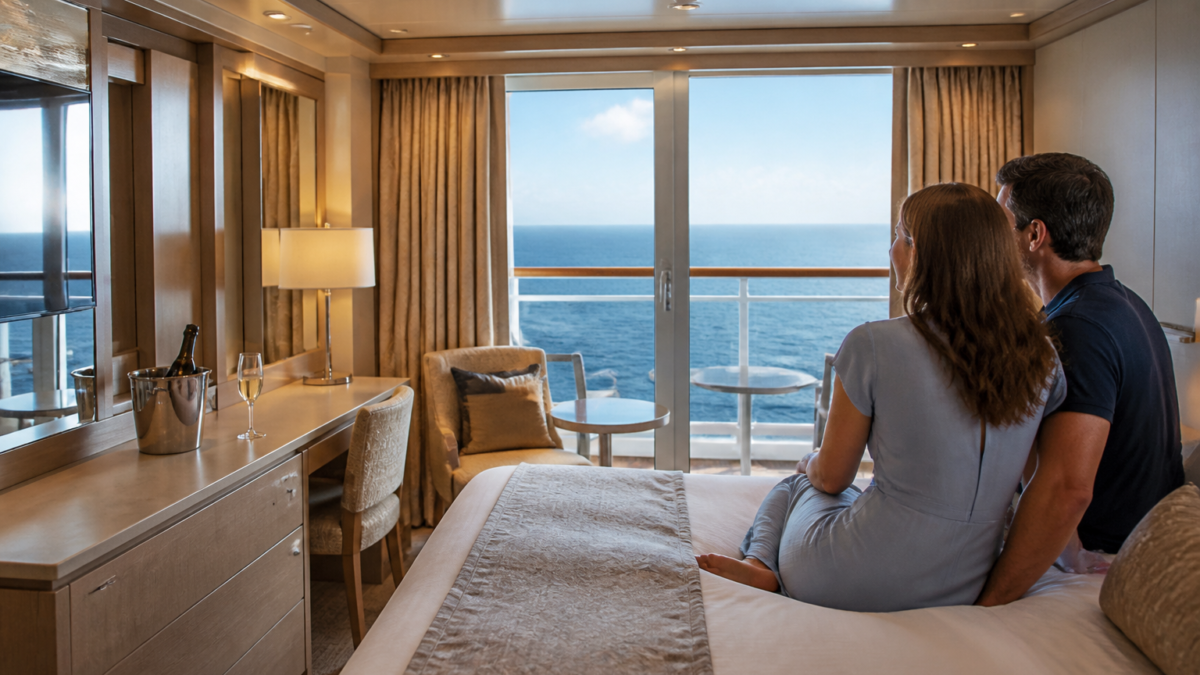
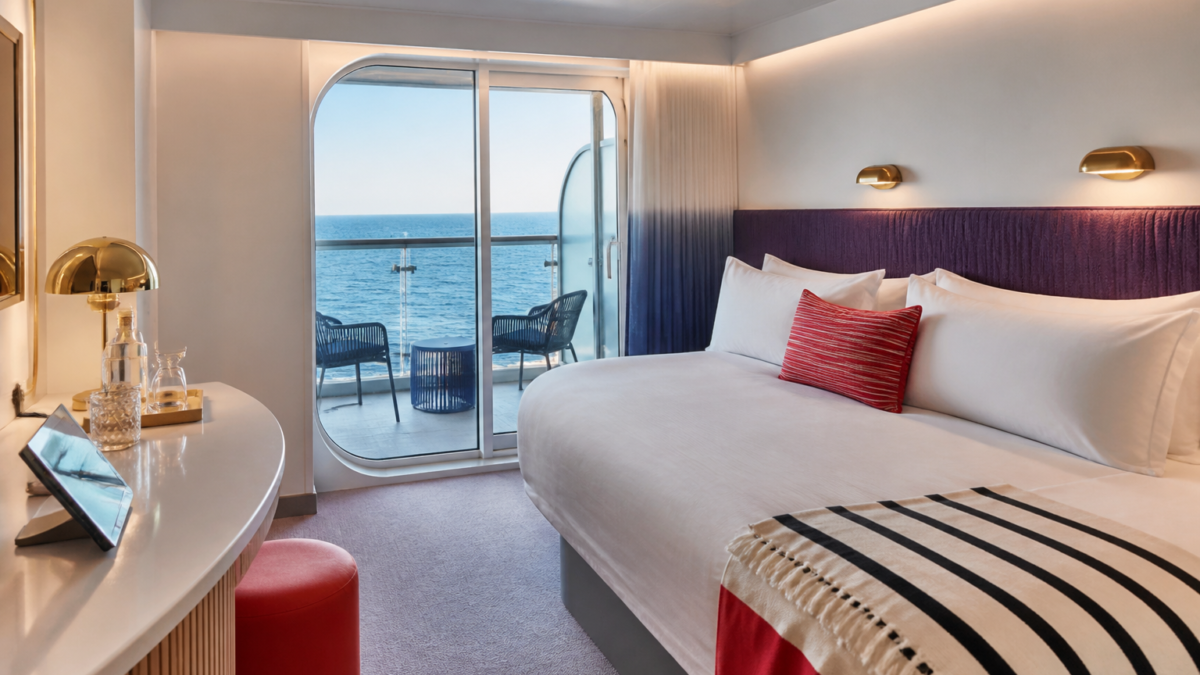
- Balcony or terrace cabin: Offers private outdoor space, but compare usable space, view obstructions, and the actual deck plan rather than assuming all balconies feel alike.
- Location: A cabin near elevators can reduce walking but may bring more passing traffic. A room below busy deck areas or near nightlife can be less appealing for light sleepers.
- Motion sensitivity: Midship and lower-deck rooms are commonly preferred by travelers seeking a more stable-feeling location, though no cabin can eliminate rough-sea motion.
- Accessibility: Do not assume a standard cabin will meet mobility needs. Request specific accessibility information and confirm accessible-room availability before booking.
It is also worth comparing the cost of arriving a day before embarkation. A cheap same-day flight can become expensive if a delay causes a missed sailing. Build in buffer time when possible, and make a plan for luggage, transfers, and the port check-in window.
Book Shore Excursions With a Backup Plan
Shore excursions can be a highlight, but they are neither automatically necessary nor automatically the best value. Start by deciding whether you want a structured tour, a beach day, an accessible activity, or independent exploration. Then check travel time from ship to meeting point, physical requirements, weather exposure, what is included, and the latest return time. Keep ship time and local time straight; they are not always the same.
Virgin Voyages says guests can reserve its Shore Things through the app, online account, Sailor Services, or a travel adviser. Its FAQ states booking normally opens 120 days before sailing, with a 135-day window for guests in RockStar Quarters. The line’s current policy generally requires cancellation at least 48 hours before the scheduled activity for a full refund, although individual excursions can have different terms and some arrangements have longer cancellation deadlines. Prices and availability may change, so check each activity’s “need to know” details before purchasing.
A ship-sponsored excursion can provide convenience and a clearer point of contact, but it remains important to read the terms. Virgin Voyages notes that excursion operators are independent and that tours can be changed or canceled due to circumstances such as weather. Independent activities can offer flexibility, but travelers should carefully account for transportation reliability and the ship’s all-aboard time. Never plan an independent outing so tightly that one traffic delay could leave you behind.
Shore-day checklist
- Read the duration, meeting location, exertion level, age or size restrictions, and cancellation policy.
- Bring the documents, payment method, medication, water, sun protection, and footwear appropriate for the activity.
- Save the ship’s local contact instructions and return-time information offline.
- Allow extra time for tendering, security screening, traffic, and return transport.
- For independent plans, confirm the local operator’s cancellation and return policy in writing.
- Check destination-specific requirements and travel advisories close to departure.
Documents, Insurance, and Safety Details That Should Not Be Last-Minute
Even a closed-loop cruise may tempt U.S. citizens to leave their passport at home, but that is a risky shortcut. The U.S. Department of State strongly recommends a passport book for all cruise passengers because an emergency medical disembarkation, missed ship, or operational disruption may require a flight home. A passport card can work for certain sea and land crossings, but it cannot be used for international air travel. Check the cruise line’s requirements and each destination’s entry rules well before sailing.
The Department of State also advises travelers to review destination information, make copies of important documents, consider medical and emergency-evacuation coverage, and understand that Medicare and Medicaid generally do not cover medical costs outside the United States. This is educational information, not a recommendation of any particular insurance plan. Before purchasing coverage, compare emergency medical benefits, evacuation limits, cancellation reasons, baggage coverage, exclusions, claims deadlines, and whether your existing health or credit-card benefits already provide limited protection.
Travelers using prescription medication should carry it in original labeled containers and review destination rules, because medication that is legal in the United States may be restricted elsewhere. If you have a medical condition, mobility requirement, food allergy, or need for a particular treatment, contact the cruise line in advance and discuss travel readiness with an appropriate clinician. For urgent health needs at sea or ashore, use the ship’s medical services and local emergency resources rather than waiting until the trip ends.
A Smarter Step-by-Step Process for Finding 2026 Cruise Deals
- Set a total-trip ceiling. Decide what you can spend after transportation, port expenses, hotel nights, insurance, and extras—not only the cruise fare.
- Choose your travel style. Determine whether a family ship, premium ship, expedition itinerary, or adults-only cruise better matches the travelers in your cabin.
- Pick two or three date windows. Flexibility can help, but avoid dates that create unacceptable work, school, weather, or passport-renewal pressure.
- Compare like for like. Price the same cabin category, number of guests, departure port, and included features across options.
- Read the fare and promotion rules. Verify deposit, final-payment date, cancellation schedule, change fees, exclusions, and whether offers stack.
- Review the itinerary detail. Look at hours in port, tendering, sea days, overnight calls, and actual transportation from home to the port.
- Reserve only the extras you value. Do not buy a beverage package, Wi-Fi upgrade, dining enhancement, or excursion simply because it is presented during checkout.
- Save documentation. Keep the booking confirmation, fare terms, promotion terms, travel-insurance documents, flight details, and emergency contacts in accessible digital and paper form.
It can be useful to work with a reputable travel adviser for a complicated itinerary, a group booking, accessibility needs, or an expensive trip. Ask how they are compensated, whether they can explain fare restrictions, and what support they provide if an itinerary changes. Whether you book directly or through an adviser, read the final confirmation immediately. Correcting a name, birth date, cabin assignment, or payment error is usually easier before final payment.
Frequently Asked Questions
Are adults-only cruises worth it?
They can be worth it for adults who value a no-children policy, flexible dining, an adult-focused social environment, and inclusions that reduce onboard add-ons. They are not automatically the best value for every traveler. Compare the all-in price and onboard experience against conventional cruise lines that fit your preferred itinerary.
Is Virgin Voyages really adults-only?
Yes. Virgin Voyages states that guests must be 18 or older. That makes it unsuitable for families traveling with children or teenagers under 18, regardless of how attractive the itinerary or cabin price may be.
What is not included on Virgin Voyages?
Common exclusions include alcohol, specialty beverages, premium Wi-Fi, shore excursions, spa and salon services, airfare, transfers, hotels, insurance, medical services, shopping, casino activity, and service gratuities for applicable newer bookings. Check the current ticket contract and your confirmation because inclusions can vary by booking details.
Should I book a cruise far in advance or wait for a last-minute deal?
Book earlier if you need a particular cabin, accessible accommodation, popular sailing date, group arrangement, or specific shore activity. Waiting may help flexible travelers, but it can limit cabin choice, flight availability, and pre-cruise hotel options. Compare the total cost, not just the cruise discount.
Do I need a passport for a closed-loop cruise from the United States?
Rules can differ by itinerary and destination, and some closed-loop cruises allow alternative documents for U.S. citizens. Still, the U.S. Department of State strongly recommends carrying a valid passport book in case you must leave the ship unexpectedly and fly home from a foreign country.
Are cruise excursions refundable?
Policies depend on the cruise line and excursion. Virgin Voyages generally says its Shore Things must be canceled 48 hours before the scheduled activity for a full refund, unless the specific activity states another deadline. Read the individual terms before paying, especially for private transportation, hotel-based activities, or charter travel.
Conclusion
Adsvertic Travel Deals: Most People Are Still Booking the Wrong Cruises in 2026 is ultimately a reminder to match the ship to the trip—not to chase the biggest-looking discount. An adults-only cruise can be an excellent choice for travelers who want a grown-up setting, flexible dining, and a more inclusive fare structure. It can also be the wrong choice for families, travelers seeking children’s facilities, or anyone who prefers a traditional large-ship experience.
Use a complete budget, compare current fare rules, review what is and is not included, and read the itinerary beyond the port names. Carry a passport book, give flights and transfers enough margin, and verify excursion and cancellation policies before paying. A thoughtful comparison may take longer than clicking on a promotional fare, but it gives you a far better chance of returning from your cruise feeling that the vacation—and the money—were well spent.











Leave a Reply