

Key Takeaways
- Apple confirms no ‘restricted mode’ for devices leased through its Upgrade program.
- Missed payments will not impact device functionality, ensuring user convenience.
- This policy distinguishes Apple from other tech companies with stricter payment consequences.
The Core News Story
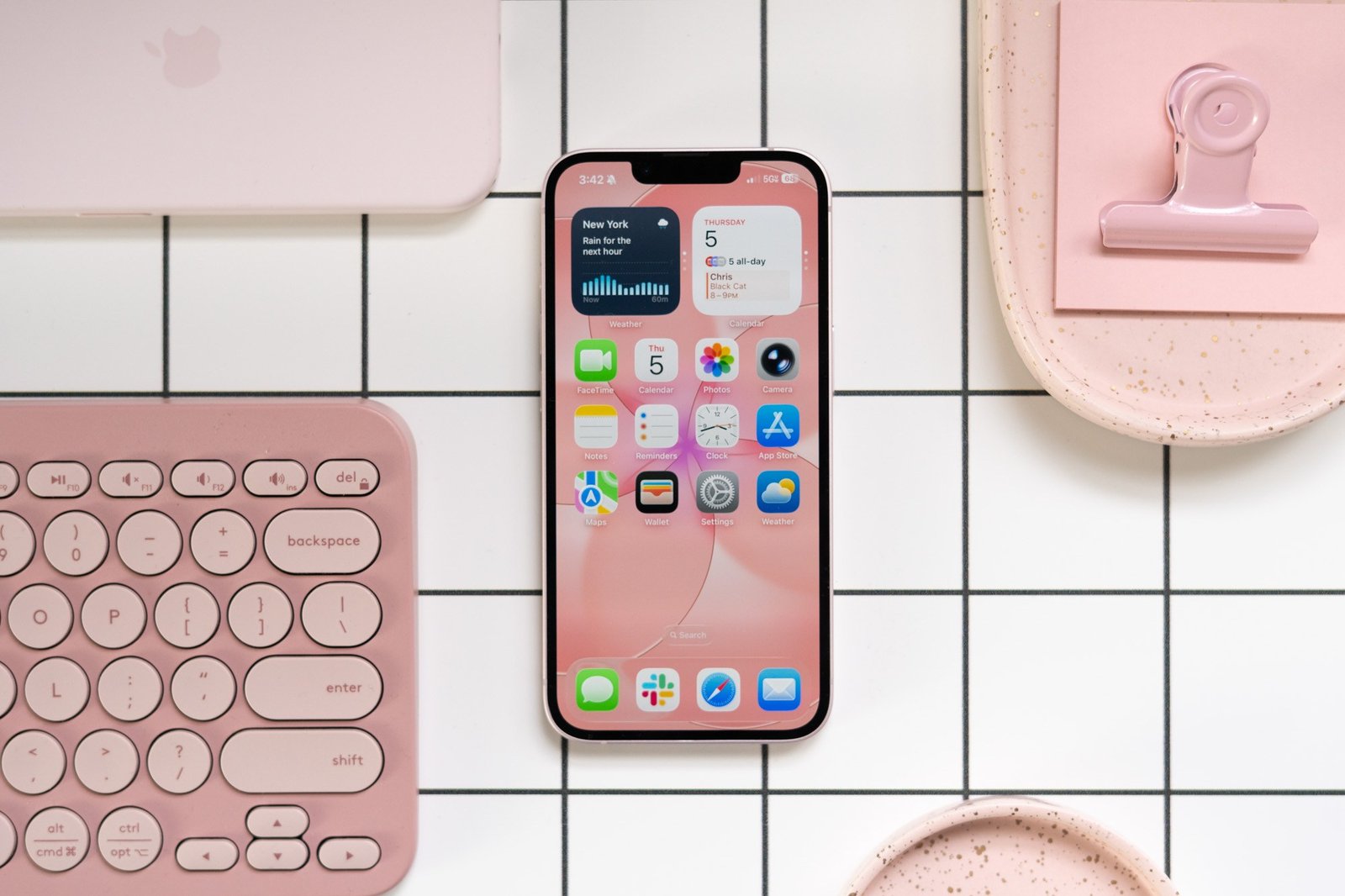
In a recent statement, Apple Inc. has made it clear that users who miss payments on devices leased through its Upgrade program will not face any limitations on their devices’ functionalities. This announcement comes amid increasing concerns from consumers about the implications of missed payments in technology leasing arrangements. Apple spokesperson Brian Bumbery conveyed this message directly to The Verge, emphasizing that “there will be no restricted mode and/or limitations put on device functionality due to missed payments or default.” This policy highlights Apple’s commitment to user experience and customer satisfaction, particularly in an era where financial flexibility is paramount for many consumers.
Expert Analysis & Impact
Apple’s decision to forgo implementing restrictions on leased devices stands out in the tech industry, where many companies choose to enforce strict penalties on users who default on payment agreements. This approach can be viewed as a strategic move to cultivate brand loyalty and trust among its user base. Experts suggest that by ensuring device functionalities remain intact regardless of payment status, Apple is not only enhancing customer satisfaction but also potentially attracting users who may have been hesitant to enter into leasing agreements due to fear of losing access to their devices.
Moreover, this policy may serve as a competitive advantage in the tech market. As more consumers explore flexible payment options for high-end devices, Apple’s lenient stance could encourage users to choose its Upgrade program over alternatives offered by competitors. In a marketplace saturated with options, providing a safety net for customers can help Apple maintain its position as a leading innovator while fostering stronger customer relationships.
Future Outlook
Looking forward, the implications of Apple’s decision could influence the leasing landscape in technology. If Apple’s model proves successful, it may prompt other companies to reconsider their policies regarding missed payments. The tech industry is continuously evolving, and consumer preferences are shifting towards more customer-centric practices, particularly in financial dealings.
As the Upgrade program continues to gain traction, it will be interesting to observe if Apple expands the program’s features or introduces additional incentives for customers. There may also be a ripple effect, where Apple could introduce more flexible payment options or incentives for timely payments, further enhancing the user experience and potentially leading to increased sales.
Conclusion
Apple’s position on not implementing restricted modes for devices leased through its Upgrade program is a bold move that prioritizes user convenience and satisfaction. With financial flexibility becoming an essential factor for many consumers, Apple’s decision may pave the way for a new standard in the tech leasing landscape. As the company continues to innovate and adapt to consumer needs, its approach to missed payments could not only solidify its customer base but also reshape expectations across the tech industry. Ultimately, this policy reflects Apple’s overarching commitment to delivering quality products and services while nurturing trust and loyalty among its users.
“`
Context Reference: Original Publisher
About The Author