

Introduction: Microsoft Takes a Bold Step in Cybersecurity
In a significant development within the realm of digital safety, Microsoft has launched its first dedicated AI cybersecurity model alongside an innovative agentic cybersecurity system. This marks a pivotal moment in Microsoft’s ongoing integration of artificial intelligence into its security solutions, addressing the escalating threats that organizations face in a rapidly digitalizing world.
Microsoft’s Commitment to Cybersecurity
As cyber threats become increasingly sophisticated and pervasive, companies like Microsoft are formulating strategic responses. The tech giant’s recent advancements reflect its commitment to fortifying digital environments by not just preventing attacks, but also anticipating and neutralizing them before they escalate into critical issues.
The AI Cybersecurity Model Explained
The newly unveiled AI cybersecurity model is designed to harness machine learning algorithms to enhance threat detection and mitigate vulnerabilities across various platforms. Key features of this model include:
- Real-Time Threat Analysis: Utilizing AI for immediate threat identification, the system can analyze vast amounts of data in seconds to flag anomalies.
- Automated Response Mechanisms: By integrating with existing security protocols, the model can respond to threats automatically, reducing the window of vulnerability.
- Adaptive Learning: The AI model continuously learns from new threats and attacks, improving its predictive capabilities to adapt to the evolving landscape of cybersecurity challenges.
Introduction of the Agentic Cybersecurity System
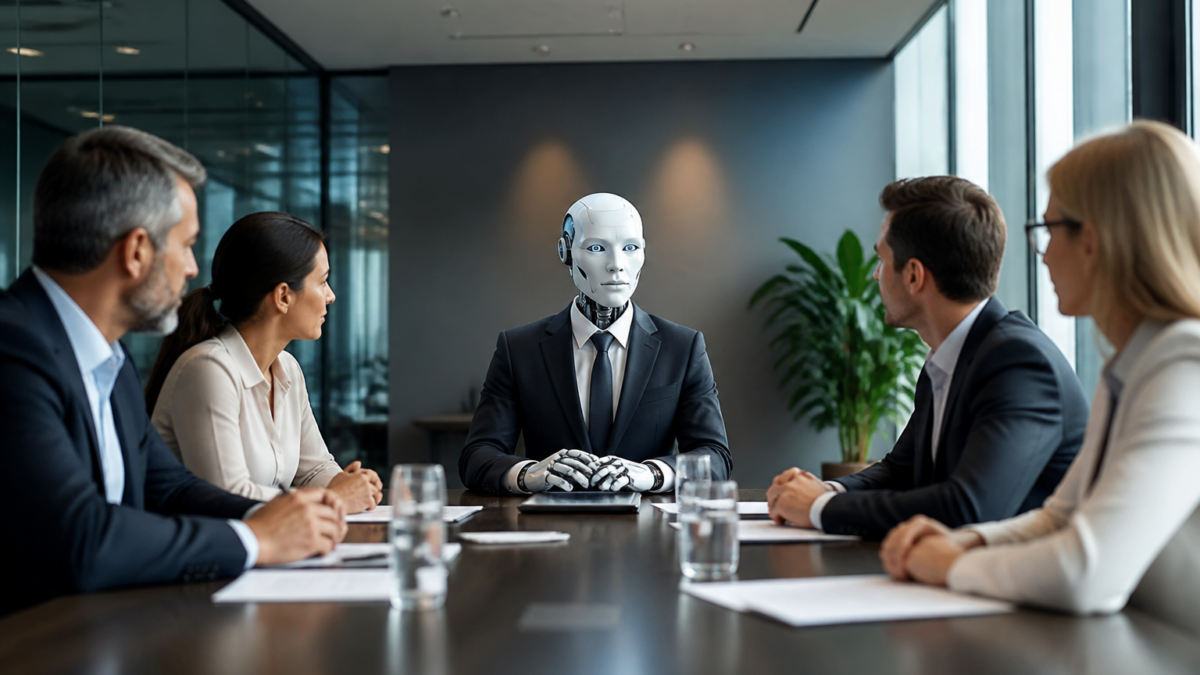
Complementing the launch of the AI model is Microsoft’s new agentic cybersecurity system, designed to act autonomously in safeguarding digital assets. This system offers organizations a way to streamline their cybersecurity processes with the following innovative capabilities:
- Autonomous Decision-Making: The system can make real-time decisions without human intervention, promoting speed and efficiency when dealing with potential threats.
- Behavioral Modelling: It incorporates behavioral analytics, allowing it to distinguish between normal and suspicious activities effectively.
- Integration Across Platforms: This system can seamlessly connect with various Microsoft services, providing consistent protection across all endpoints.
The Impetus Behind the Innovation
The surge in cyberattacks, especially during the post-pandemic era, has prompted businesses to rethink their cybersecurity strategies. With remote work becoming the norm, traditional security measures are no longer sufficient. The advent of more complex threat vectors—including ransomware, phishing, and insider threats—has created an urgent need for advanced detection and response systems.
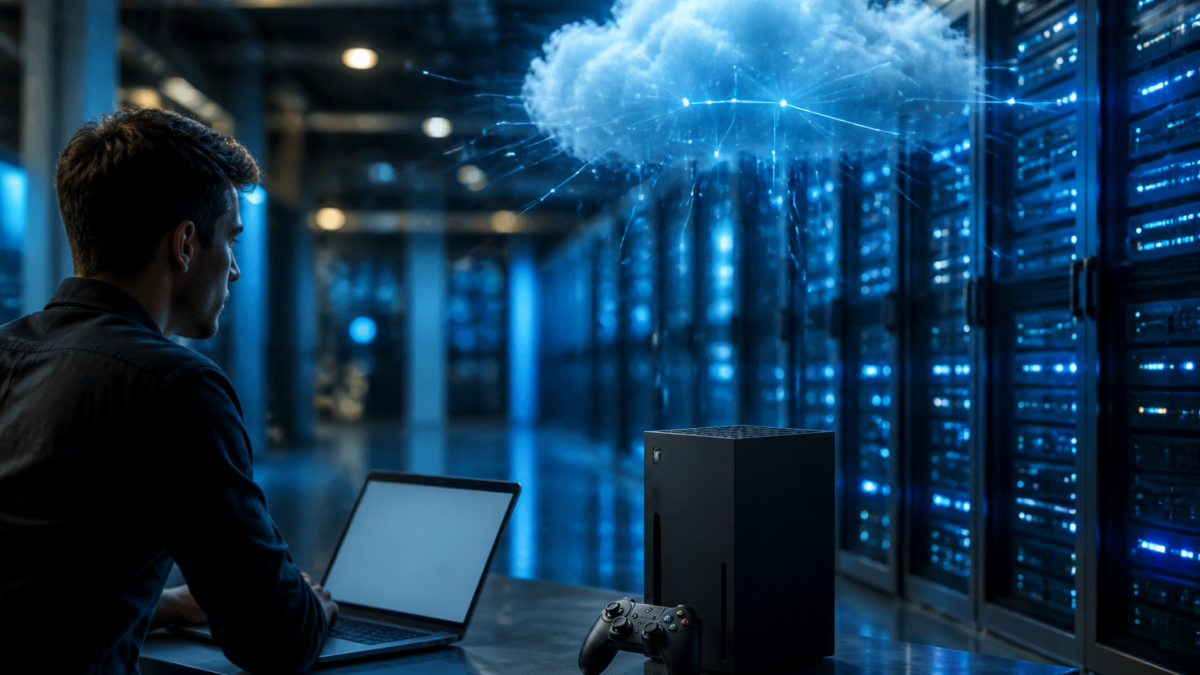
Microsoft’s cybersecurity advancements respond directly to this need, as businesses seek proactive tools that not only defend but also anticipate attacks. As cloud services become integral to operations, the requirement for robust security systems has never been more critical.
How Businesses Can Leverage Microsoft’s New Offerings
Organizations exploring the integration of these new cybersecurity solutions can expect numerous benefits:
- Reduced Operational Risk: With proactive defense mechanisms in place, businesses can minimize the risk of data breaches, ultimately safeguarding their reputation and finances.
- Enhanced Regulatory Compliance: As regulations around data protection tighten, these AI-driven tools assist in staying compliant with minimal manual oversight.
- Improved Resource Allocation: Automating cybersecurity processes allows IT teams to focus on strategic initiatives instead of reactive measures.
The Broader Impact on the Cybersecurity Landscape
Microsoft’s advanced AI cybersecurity model and agentic system are poised to influence not only its customers but the overall cybersecurity industry. By setting new standards for automated threat response and advanced analytics, Microsoft encourages other tech companies to innovate in this space.
As businesses increasingly navigate a landscape fraught with cyber vulnerabilities, Microsoft’s announcements signal a trend towards greater reliance on AI technologies. In the coming years, we can expect more organizations to adopt AI-driven cybersecurity protocols that offer a combination of prevention, detection, and response capabilities.
Conclusion: A Future Where Cybersecurity is Anticipatory
With the introduction of its pioneering AI cybersecurity model and agentic security system, Microsoft reinforces its position as a leader in the tech innovation space. These advancements not only aim to protect businesses but also to transform the approach toward cybersecurity by making it more anticipatory than reactive.
The continued integration of AI into cybersecurity strategies may soon be the norm, revolutionizing how organizations defend themselves in an ever-evolving digital landscape. As both threats and technology evolve, so too must the ways in which we protect our digital frontiers.
Source & Original Coverage: Original Publisher










Leave a Reply