Key Takeaways
- France and Spain are bracing for a heatwave with temperatures expected to soar, exacerbating existing wildfires.
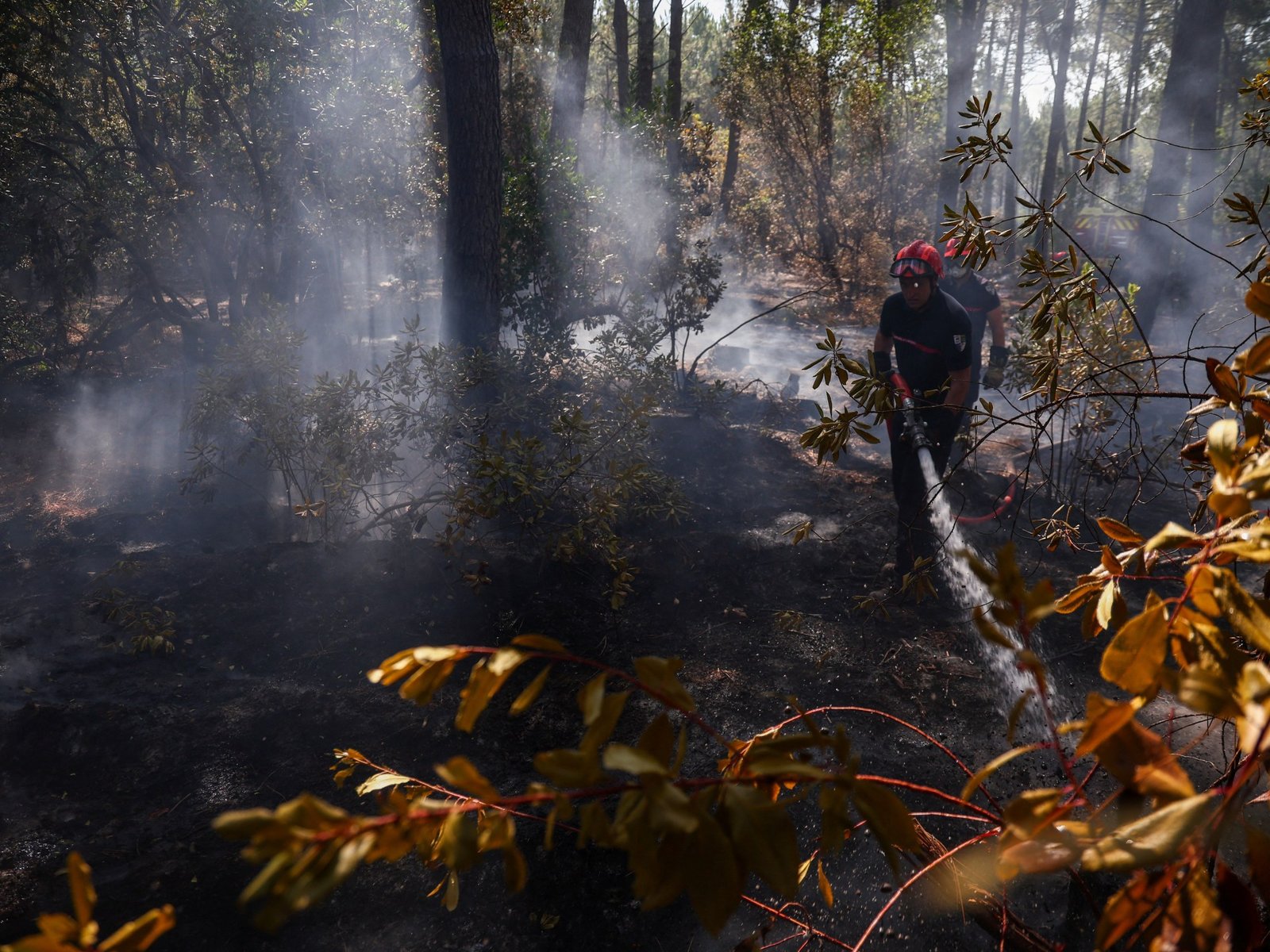
- Authorities are on high alert, with emergency services mobilized to combat the spread of flames.
- Climate experts warn that such extreme weather patterns are becoming increasingly common in Europe.
The Core News Story
As Europe continues to grapple with the effects of climate change, France and Spain are facing an impending heatwave that threatens to worsen the already devastating wildfires that have plagued both countries this summer. Meteorologists predict soaring temperatures, reaching as high as 40 degrees Celsius (104 degrees Fahrenheit) in some regions, particularly in southern France and northern Spain. The forecast raises alarm as firefighters work tirelessly to contain the blazes that have consumed thousands of hectares of land.
In France, authorities have declared several regions as high-risk zones, prompting immediate evacuation orders for residents in the most affected areas. The intense heat is expected to create a perfect storm for wildfire spread, with dry conditions and gusty winds further fueling the flames. Local fire services are prepared for the worst, having experienced similar extreme weather in previous years.
Meanwhile, in Spain, the situation is equally dire. The country has already faced an arduous summer with numerous wildfires, some of which have destroyed entire villages. As temperatures rise, emergency responders are mobilizing additional resources and personnel to combat the flames and protect vulnerable communities. The Spanish government has urged citizens to remain vigilant, emphasizing the importance of fire safety during this critical period.
Expert Analysis & Impact
Climate scientists and meteorologists have expressed concerns over the increasing frequency and intensity of heatwaves in Europe. Dr. Maria Lopez, a climate researcher at the European Centre for Medium-Range Weather Forecasts, stated, “What we are witnessing is a direct consequence of climate change. These extreme weather events are becoming the new normal. The conditions we are seeing now not only elevate the risk of wildfires but also have far-reaching effects on biodiversity, air quality, and public health.”
The impact of this heatwave is multifaceted. Economically, both France and Spain rely heavily on agriculture and tourism, sectors that are particularly vulnerable to extreme weather. The heat could damage crops, leading to food shortages and increased prices. Additionally, the smoke from wildfires poses significant health risks, especially for those with respiratory conditions, further straining public health resources.
Community resilience is being tested as well. Local governments are working overtime to keep residents informed and safe. Emergency services are collaborating with non-profit organizations to provide shelter and assistance to those displaced by the fires. However, the overwhelming nature of the crisis calls for long-term strategies and investments in climate resilience.
Future Outlook
Looking ahead, the forecast suggests that heatwaves and wildfires may become more prevalent in Europe. The Intergovernmental Panel on Climate Change (IPCC) warns that without significant global efforts to reduce greenhouse gas emissions, such extreme weather patterns are likely to worsen. As countries like France and Spain brace for the immediate impact of this heatwave, they must also look towards comprehensive climate action to mitigate future risks.
Local governments are considering implementing stricter land management practices, increasing funding for firefighting resources, and investing in community education about fire safety. Moreover, there is a growing call for international cooperation to address the broader implications of climate change, as the effects are not confined to national borders.
Conclusion
The impending heatwave in France and Spain serves as a stark reminder of the urgent need to confront the realities of climate change. As temperatures rise and wildfires rage, communities are coming together to face these challenges head-on. While immediate responses focus on firefighting and evacuation, the broader conversation about sustainability and climate resilience must continue. Only through collaborative efforts can Europe hope to safeguard its future against the increasing threats posed by climate change.
“`
Context Reference: Original Publisher
About The Author