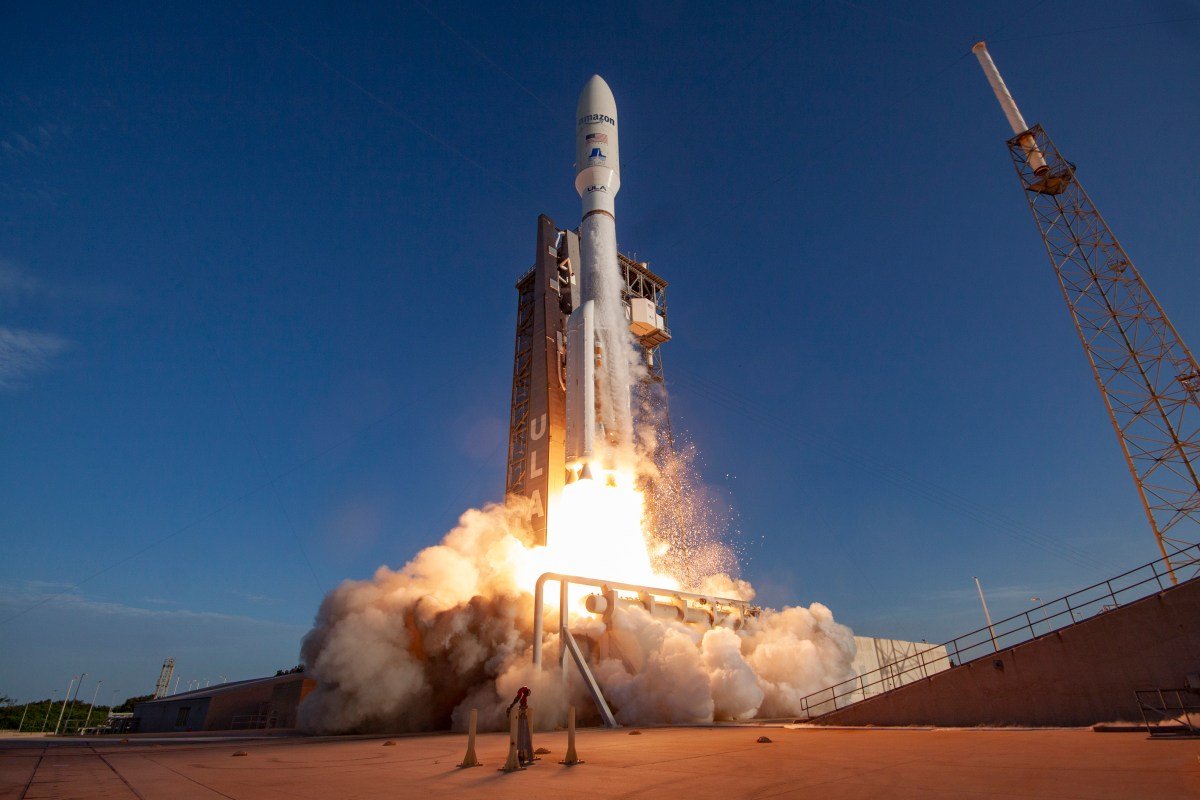
Introduction: Setting the Stage for a Cosmic Competition
Amazon, the e-commerce giant known for revolutionizing various industries, is now embarking on an ambitious venture to provide satellite connectivity for mobile phones. This move could mark a significant turning point in the telecommunications landscape, putting it in direct competition with established players like SpaceX and its Starlink project. As technology evolves and the demand for seamless connectivity increases, Amazon’s entry into the satellite sphere raises intriguing possibilities and questions about the future of mobile communications.
The Vision Behind Project Kuiper
At the heart of Amazon’s satellite endeavor lies Project Kuiper, a plan to deploy over 3,000 satellites in low Earth orbit (LEO). This constellation is designed to offer high-speed broadband internet to underserved and unserved regions globally. With this extensive network, Amazon aims to facilitate mobile connectivity that could potentially transform how millions access the internet, stream content, and communicate.
Filling the Connectivity Gap
Many regions around the world still lack reliable internet access, which can hinder educational opportunities, economic growth, and access to essential services. Amazon’s satellite network aims to address this connectivity gap effectively. The proposed service is expected to enable:
- Widespread Access: Rural and remote areas could benefit from high-speed internet where traditional infrastructure is lacking.
- Lower Latency: With satellites positioned closer to the Earth, latency could be significantly reduced compared to traditional satellite services.
- Cost-Effective Solutions: Competitive pricing could encourage more users to connect, paving the way for digital inclusion.
Amazon’s Competitive Edge: The Power of the Ecosystem
One of Amazon’s significant advantages lies in its vast ecosystem, spanning cloud computing, e-commerce, and digital content. With such a comprehensive infrastructure, the company is well-positioned to leverage its services to enhance the user experience for mobile phone connectivity.
Integration with AWS
A key distinction for Amazon is its association with Amazon Web Services (AWS), the backbone of numerous businesses worldwide. Through Project Kuiper, users may benefit from:
- Enhanced Data Security: Amazon’s proven security protocols could ensure safe and reliable connections.
- Scale and Reliability: AWS’s scalability and reliability would support a robust satellite network, minimizing downtime.
- Seamless User Experience: Combined services may lead to better integration of mobile connectivity with existing applications and platforms.
Challenges on the Horizon: Competing with SpaceX
Despite its potential, Amazon’s satellite plans face considerable challenges, primarily from SpaceX’s Starlink initiative. SpaceX has established a strong foothold in the satellite broadband market with its already operational constellation and a growing user base. Key challenges include:
- Market Penetration: SpaceX has the first-mover advantage, having already deployed thousands of satellites and garnered significant customer interest.
- Financial Investment: Launching and maintaining a satellite network requires substantial investment, which could impact Amazon’s profitability.
- Regulatory Hurdles: Securing the necessary regulatory approvals across various countries can be a time-consuming process.
Looking to the Future: The Impact on Mobile Connectivity
The advent of Amazon’s satellite network could have far-reaching implications on mobile connectivity and the telecommunications sector at large:
- Increased Competition: A competitive market could drive down prices and improve service quality for consumers.
- Innovation and Technology Advancement: The introduction of new players could spur innovation in satellite technology and communication infrastructure.
- New Business Models: As Amazon explores satellite communications, new opportunities may arise for collaboration between tech companies and telecommunications providers.
Conclusion: A New Era of Connectivity
As Amazon sets its sights on launching a satellite network for mobile phones, it not only aims to close the connectivity gap for underserved populations but also poses a formidable challenge to key players like SpaceX. The intersection of technology, innovation, and competition is sure to shape the future of mobile communications. As this journey unfolds, both tech enthusiasts and everyday consumers will be keenly watching how this cosmic battle develops, hoping for a future where connectivity knows no bounds.
Source & Original Coverage: Original Publisher