Michigan Senate Democratic Debate: Tensions Rise Over Outside Spending and Electability
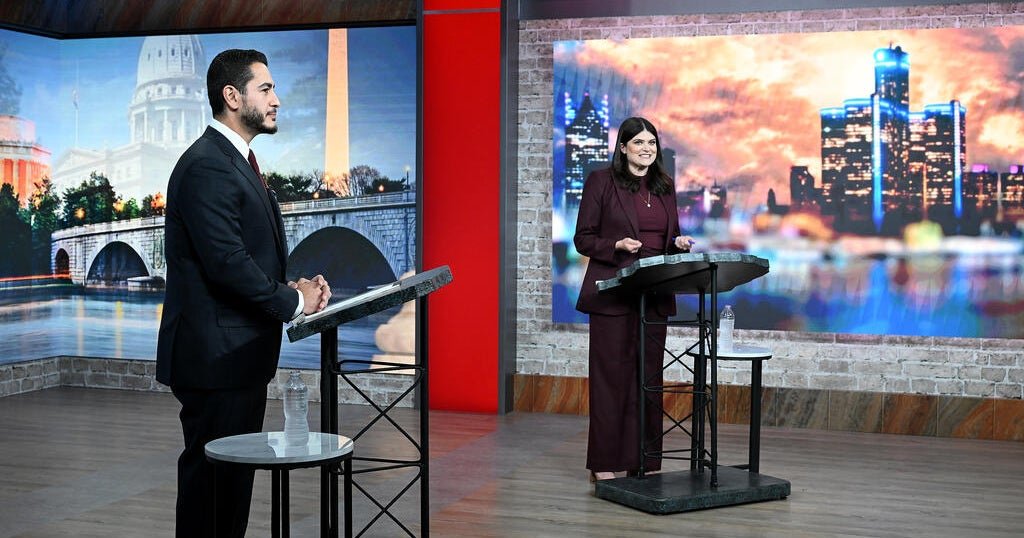
In a fiery debate that underscored the escalating stakes of the Michigan Senate Democratic primary, Rep. Haley Stevens and progressive candidate Abdul El-Sayed engaged in a spirited exchange on the critical issues of outside fundraising, electability, and their visions for the future of Michigan. With just days left before voters head to the polls, the candidates are vying for the support of Democratic voters in a race that could define the party’s direction in a key battleground state.
Setting the Stage: Stakes Are High
The debate, held on Tuesday evening, comes in the wake of increasing scrutiny over the influence of outside spending in political campaigns, an issue that has become increasingly polarizing among voters attempting to navigate the ethics of modern electoral politics. As Michigan faces critical economic and social challenges, including lingering effects from the pandemic and ongoing issues like public education funding and healthcare access, both candidates emphasized their platforms while drawing sharp contrasts with one another.
Stevens, a moderate who has held a seat in the U.S. House since 2019, argued that her record of bipartisanship and pragmatic governance uniquely positions her as the candidate most capable of winning in a general election against a Republican opponent. “We need a candidate who can build bridges and work across the aisle,” Stevens asserted, emphasizing the importance of electoral viability in her argument for the Democratic nomination.
Counterarguments: El-Sayed’s Call for Progressive Change
El-Sayed, a medical doctor and former Detroit health commissioner, countered Stevens’ assertions by framing the debate around the urgency for transformative change. He criticized the reliance on large donations and corporate PAC funding, pointing out that such tactics undermine the democratic process. “When we’re dependent on special interests, we can’t truly serve the people,” El-Sayed declared, laying the groundwork for his vision of reformative policies aimed at reshaping Michigan’s political landscape.
El-Sayed’s campaign emphasizes grassroots mobilization and a vision centered on universal healthcare, climate action, and economic justice, appealing to a younger electorate disillusioned with traditional political norms. “You have to ask yourself,” El-Sayed continued, “who do you want in your corner fighting for you—someone who takes money from corporations or someone who listens to the people?” His remarks were met with applause from a portion of the audience, reflecting the division within the party over issues of financing and ethics.
The Money Factor: Outside Spending Under Fire
One of the most contentious issues during the debate was the role of outside spending, particularly as El-Sayed has garnered substantial financial support from progressive organizations. Stevens pointed out that such funding has made El-Sayed more reliant on resources that do not align with the interests of average Michiganders. “You cannot have it both ways,” she asserted. “If you want to be seen as a true champion of the people, you must recognize the implications of big money in our politics.” This critique led to a moment of tension, as El-Sayed fired back, challenging Stevens to reconsider her acceptance of donations from corporate entities.
- Stevens’ Position: Advocates for bipartisanship and electability.
- El-Sayed’s Position: Calls for progressive change and critiques corporate influence in politics.
- Key Focus: Outside spending was a central theme in their disagreements.
Implications for the Democratic Party and Michigan Voters
The outcomes of this debate and the upcoming primary could significantly impact the Democratic Party’s strategy heading into the 2024 elections. Michigan has emerged as a critical battleground, with both candidates recognized as influential figures in shaping the discourse around key issues such as healthcare, education, and environmental sustainability. Observers are closely watching how voters respond to the candidates’ respective messages, particularly as they reflect broader national trends regarding the Democratic Party’s identity.
As polls indicate a tight race ahead of the primary, Stevens seeks to consolidate her support among moderate voters who prioritize electability, while El-Sayed aims to energize the progressive base that has been instrumental in Democratic successes in recent years. The debate highlighted not only their differing approaches to governance but also the rifts in the Democratic Party that could influence results in not only Michigan but also potentially across the nation.
Looking Ahead: The Primary Looms
With the primary election set for next week, voters will have to weigh the arguments of both candidates carefully. As they head to the polls, key issues will remain at the forefront: What are the implications of corporate money in politics? Who can best represent Michigan’s interests? And ultimately, who has the best chance of defeating their Republican opponent in the general election?
As the dust settles from a vigorous debate, the Michigan Democratic primary stands as not just a local affair but a bellwether for the direction of the national Democratic narrative heading into the 2024 election cycle. Both candidates have made their positions known, and now it remains to be seen which vision will resonate most with the electorate.
Source: Original Source