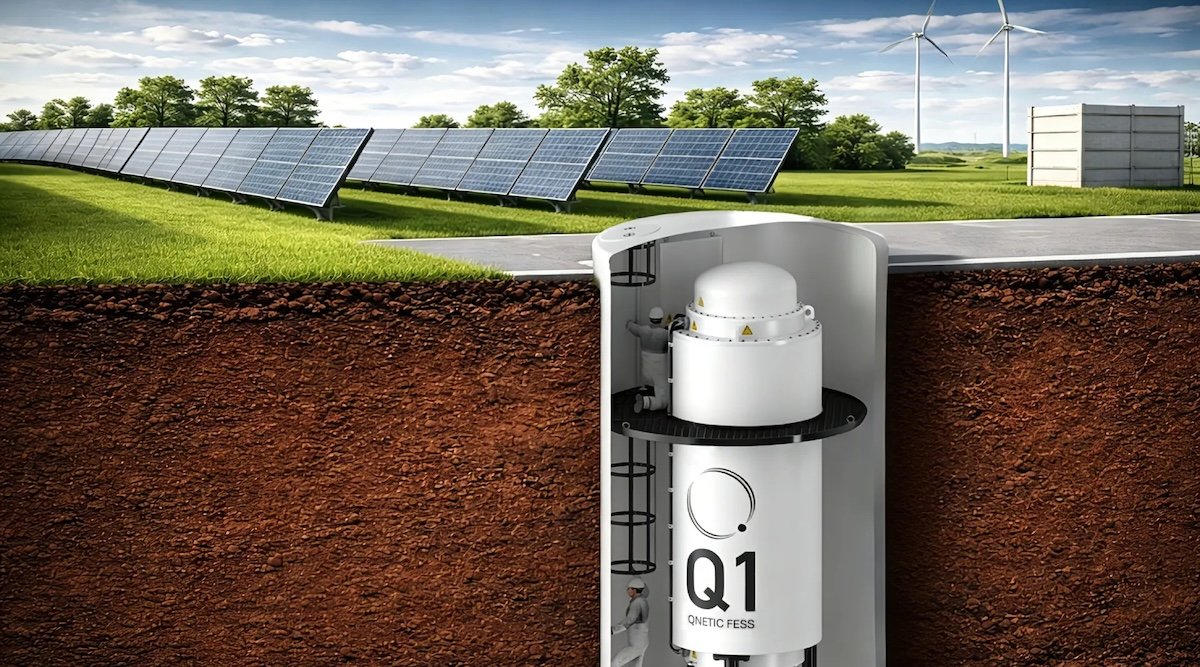
Revolutionizing Renewable Energy: The Rise of Underground Flywheel Energy Storage Systems
The Future of Energy Storage
As the global energy landscape shifts increasingly towards renewable sources such as wind and solar power, the need for efficient energy storage solutions has never been more critical. Traditional methods of energy storage, like lithium-ion batteries, face challenges related to sustainability and resource availability. Enter the innovative underground flywheel energy storage systems—an advanced, eco-friendly alternative that promises to transform how we harness and store renewable energy.
What Are Flywheel Energy Storage Systems?
Flywheel energy storage leverages kinetic energy to store electricity. By spinning a rotor in a vacuum, these systems can efficiently store energy, which can then be released rapidly when required. Unlike conventional battery systems, flywheel technology presents several key advantages, particularly when installed underground.
The Aesthetic and Practical Benefits of Underground Systems
One of the standout features of underground flywheel systems is their ability to minimize visual impact. Situated beneath the ground, these installations can provide energy storage without interfering with landscapes or urban development. This aesthetic benefit can lead to higher acceptance rates from communities that are often resistant to large-scale energy projects.
Cost Efficiency and Project Longevity
- Longer Lifespan: Flywheels can last up to 25 years with minimal degradation, far exceeding the typical lifecycle of conventional energy storage systems.
- Lower Maintenance Costs: With fewer moving parts, underground flywheel systems typically require less maintenance, translating to lower operational costs over time.
- Scalability: These systems can be easily expanded or modified to meet emerging energy needs, allowing for adaptable solutions as technology progresses.
Reducing Dependency on Global Supply Chains
With the increasing unpredictability of global supply chains, especially highlighted during the pandemic, energy storage solutions that rely on materials imported from overseas pose significant risks. Flywheel energy systems primarily utilize locally sourced materials, reducing reliance on foreign components and fostering domestic jobs in manufacturing and installation.
Energy Independence
By adopting underground flywheel systems, countries can work towards becoming more energy-independent. This transition will not only enhance national energy security but also promote the local economy by encouraging the development of technology industries focused on renewable energy solutions.
Enhancing Wind and Solar Power Integration
Wind and solar power generation can be significantly intermittent, which poses challenges for grid stability. Flywheel energy storage systems can bridge the gap between generation and consumption, providing a buffer that ensures a continual energy supply even during low production periods.
Grid Stability and Reliability
- Instant Response: Flywheel systems can deliver power almost instantaneously, making them ideal for balancing supply and demand on the grid.
- High Cycle Life: The ability to charge and discharge frequently without degradation means these systems can support the grid during peak demands efficiently.
The Road Ahead
As the momentum towards renewable energy grows, so does the necessity for innovative energy storage solutions. Underground flywheel systems not only present a viable option to enhance the efficiency of wind and solar power but also align with emerging sustainability goals worldwide. As stakeholders from governmental bodies to private enterprises recognize the potential of these systems, we may soon witness a remarkable shift in how energy is stored and utilized.
Source & Original Coverage: Original Publisher