Key Takeaways
- Johnson & Johnson has proposed a settlement of up to $5.5 billion to resolve ongoing lawsuits related to its talc-based baby powder products.
- The settlement is aimed at addressing claims that the products may be linked to cancer, particularly ovarian cancer.
- This proposal comes after years of legal battles and significant financial implications for the company.
The Core News Story
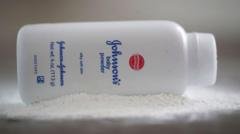
In a significant development, Johnson & Johnson has announced its intention to propose a settlement of up to $5.5 billion to resolve thousands of lawsuits linked to its talc-based baby powder products. This decision comes in response to mounting legal pressures and public scrutiny regarding claims that these products may contribute to cancer, particularly ovarian cancer.
The proposed settlement, if approved, aims to bring closure to a long-standing legal battle that has been ongoing for several years. Plaintiffs in these lawsuits assert that they developed cancer after using Johnson & Johnson’s baby powder, which was made from talc—a mineral that has faced scrutiny for its potential health risks.
Johnson & Johnson has consistently maintained that its talc products are safe and do not cause cancer. However, the company has faced a series of legal challenges that have led to substantial jury awards against them, totaling billions in damages. This proposed settlement could potentially resolve around 38,000 pending claims, providing financial relief to both the plaintiffs and the company.
Expert Analysis & Impact
The proposed settlement is a pivotal moment not only for Johnson & Johnson but also for the broader pharmaceutical and consumer goods industries. Legal experts suggest that the settlement could set a precedent for how similar cases are handled in the future. The acknowledgment of potential liability by a major corporation may prompt other companies to reevaluate their product safety protocols and risk management practices.
Moreover, the financial implications of this settlement are substantial. Johnson & Johnson has been grappling with declining sales in its consumer health products division, and this settlement could further impact its bottom line. The company’s decision to settle may also influence investor confidence, as the resolution of these lawsuits could allow Johnson & Johnson to focus on its core business operations without the overhang of ongoing litigation.
While some legal experts view this proposal as a pragmatic approach to mitigate further financial losses and reputational damage, others argue that it may not be sufficient to address the concerns raised by consumers and health advocates. The settlement’s terms will require careful scrutiny to ensure that it adequately compensates affected individuals and provides a clear path forward for the company.
Future Outlook
Looking ahead, the future of Johnson & Johnson’s talc products remains uncertain. Although the proposed settlement may alleviate some immediate legal pressures, it does not eliminate the potential for future lawsuits or claims related to the safety of talc-based products. Consumer confidence may take time to restore, and the company may need to explore alternative product formulations to meet evolving market demands.
Additionally, Johnson & Johnson’s handling of this settlement could serve as a case study for other companies facing similar challenges. The outcome may influence how corporations approach product safety and liability disclosures, particularly in industries where consumer trust is paramount.
As the legal landscape continues to evolve, stakeholders—including consumers, investors, and regulatory bodies—will be closely monitoring the developments surrounding this settlement. Johnson & Johnson’s response to these challenges will be critical in shaping its future trajectory.
Conclusion
The proposed $5.5 billion settlement by Johnson & Johnson marks a significant turning point in the ongoing legal saga surrounding its talc-based baby powder products. While the settlement could provide a pathway to resolution for thousands of claimants, it also raises important questions about product safety, corporate responsibility, and consumer trust.
As the company navigates this complex situation, the implications of its actions will resonate beyond the courtroom, potentially influencing industry standards and consumer perceptions for years to come. Johnson & Johnson’s commitment to addressing these issues transparently and effectively will be crucial in rebuilding trust and ensuring the safety of its products in the marketplace.
“`
Context Reference: Original Publisher
About The Author