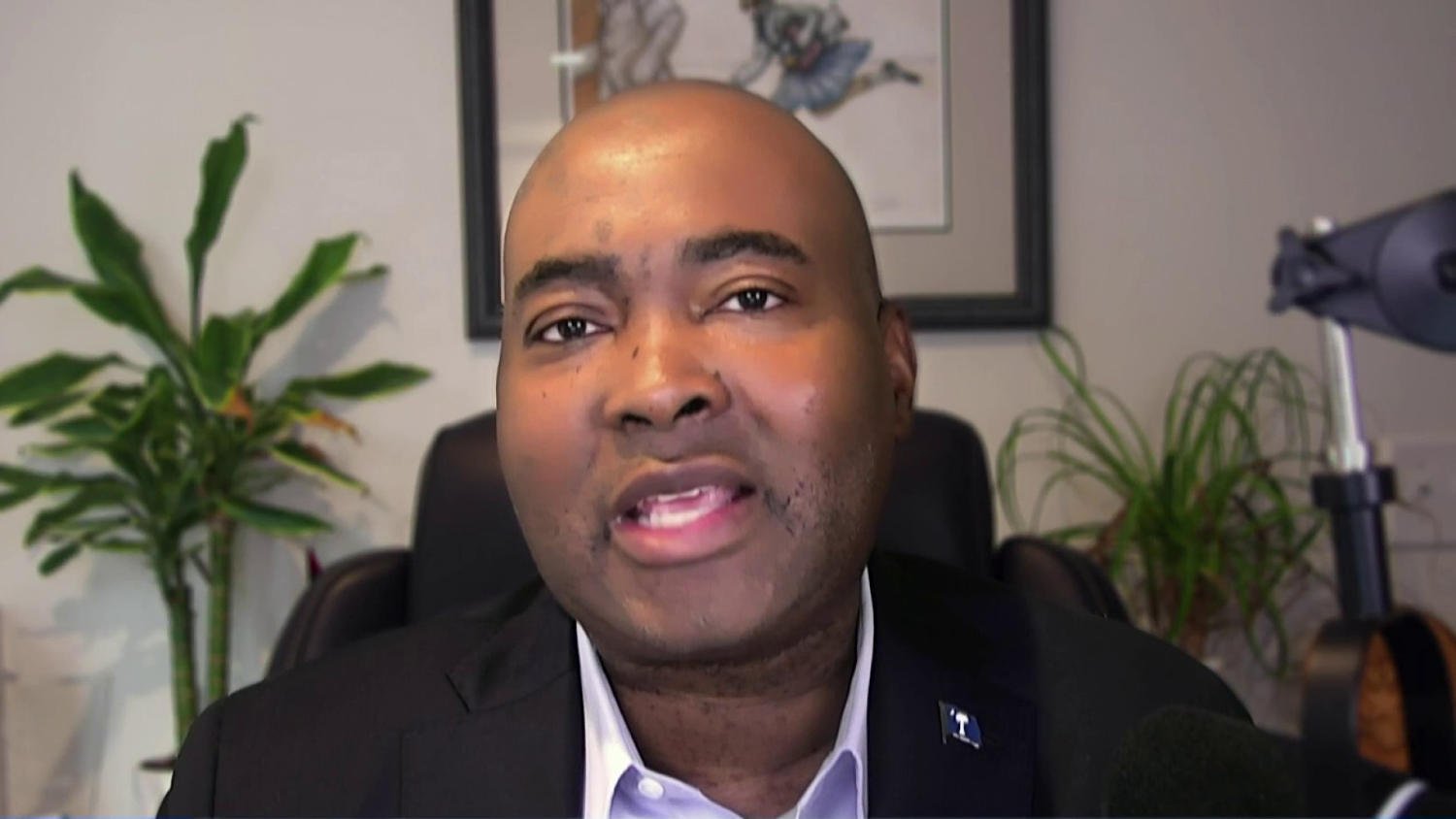
Democrats Prepare for 2028 Primary Schedule: A Reflection of Diversity, Says Former DNC Chair
As the political landscape heats up with just 99 days left until the midterm elections, the discussion surrounding the Democratic Party’s primary calendar for 2028 has gained significant traction. Former Democratic National Committee (DNC) Chair Jaime Harrison recently weighed in on the party’s strategic choices, emphasizing how they mirror the evolving demographic and ideological tapestry of the Democratic base.
The New Primary Calendar: A Strategic Move
The Democratic National Committee (DNC) has proposed a primary calendar that is set to feature a more diverse range of states participating early in the nomination process. This ambitious plan aims to ensure that the voices of minority communities are amplified and that candidates who appeal to a broad spectrum of voters rise to the forefront.
- Debuting States: States like South Carolina and Michigan are likely to play a crucial role, given their unique demographic compositions.
- Focus on Inclusion: Harrison noted that this calendar is a deliberate effort to reflect the party’s diversity, ensuring representation from various demographic groups.
- Candidates’ Challenge: Candidates may now face heightened expectations to connect with a wider array of voters early on.
Internal Dynamics: Turmoil in the Parties
As Harrison spoke about the 2028 primaries, he also touched upon the internal struggles currently facing both major American political parties. Amidst rising partisanship and varying ideologies, both Democrats and Republicans are navigating tumultuous waters as they prepare for the upcoming elections.
President Trump has recently been galvanizing support in battleground states like Michigan, where his focus is on economic affordability—a top concern for voters in the wake of fluctuating economic conditions.
The Pressure of the Midterms
Just weeks before the midterms, the scrutiny of party dynamics intensifies. Harrison’s insights come at a crucial time, highlighting the need for Democrats to harness unity as they prepare for what is shaping up to be a contentious election cycle. The moves being made now are not just about the present; they are inherently about setting the stage for the future.
Key Quotes from Jaime Harrison:
“The primary calendar we are assembling is a reflection of who we are as a party—a diverse coalition that thrives on differing perspectives,” Harrison explained. “Moving forward, our candidates will need to resonate with a broad spectrum of voters.”
As discussions advance, it is evident that the establishment of a progressive primary calendar will not only affect the upcoming primaries but will also serve as a blueprint for future elections. The hope is to curate a more inclusive platform that attracts a diverse voter base, potentially altering the dynamics of engagement and representation.
The Role of Economy in Voter Sentiment
Alongside the shifting primary calendar, economic concerns are at the forefront for many voters heading into the midterms. Recent polling indicates that issues such as inflation, job creation, and affordability are among the issues most pressing for constituents. Trump’s presence in places like Michigan underscores the Republicans’ strategy of tapping into these sentiments while Democrats grapple with presenting coherent and appealing economic alternatives.
Potential Outcomes and Implications
With both parties aware of the stakes, the strategic changes introduced by the DNC could significantly impact candidate selection and campaign strategies leading up to the primaries. Here are several potential implications:
- Increased Voter Engagement: By introducing diverse early-state votes, the DNC endeavors to boost participation among various demographic groups.
- Candidates’ Marketability: Candidates who resonate with minority communities could emerge stronger, impacting fundraising and campaign messaging.
- Shift in Traditional Power Structures: Long-standing frontrunners may need to reassess their strategies to appeal beyond their established bases.
Conclusion: Looking Ahead
As the Democratic Party prepares for its upcoming primaries, the party’s evolving strategy showcases an essential shift aimed at inclusivity and diversity. Harrison’s analysis reflects a broader awareness of the political landscape, characterized by its complexities and challenges.
As both parties gear up for the November midterms, the implications of these internal transformations will remain under scrutiny. The successful navigation of this political era may well depend on how well parties reflect the diverse voices of the American electorate—an endeavor that will surely shape the landscape for the 2028 elections and beyond.
Source: Original Source
About The Author