Key Takeaways
- BYD has reached a remarkable milestone of 100,000 electric vehicles (EVs) produced at its Brazilian facility.
- The company is expanding its global footprint, successfully selling EVs across multiple continents including Asia, Europe, Africa, and Latin America.
- BYD’s Brazilian production facility is its largest outside of Asia, underscoring the strategic importance of the Latin American market.
The Core News Story
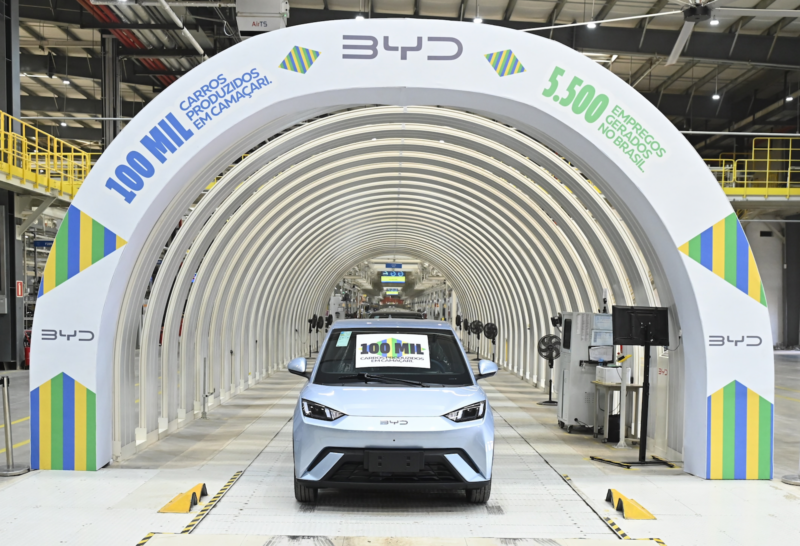
In a significant development for the electric vehicle market, BYD, a leading Chinese automaker, has announced that it has produced 100,000 electric vehicles at its manufacturing facility in Brazil. This achievement marks a pivotal moment not just for BYD, but also for Brazil’s burgeoning EV sector, as it highlights the growing acceptance and demand for electric mobility in the region.
BYD’s Brazilian factory, located in the city of Campinas, has become a crucial hub for the company’s operations outside of China. As BYD continues to expand its global presence, the Brazilian facility stands out as the largest production site it operates in any country outside its home turf. The accomplishment of reaching 100,000 EVs produced is a testament to BYD’s dedication to sustainability and innovation in the automotive industry.
This milestone comes as BYD has been rapidly increasing its sales in various international markets, demonstrating the company’s successful strategy of localizing production to meet regional demands. In Brazil, BYD offers a range of electric vehicles including buses, trucks, and passenger cars, positioning itself as a key player in the transition to electric mobility in South America.
Expert Analysis & Impact
Industry experts view BYD’s achievement as a significant indicator of the growing appetite for electric vehicles in Brazil and beyond. The company’s success can be attributed to a combination of factors, including government incentives for EV purchases, increasing fuel prices, and a growing public awareness of environmental issues.
As the Brazilian government continues to promote clean energy initiatives, the infrastructure for electric vehicles is also evolving. Investments in charging stations and renewable energy sources are paving the way for more widespread adoption of EVs. BYD’s proactive approach in establishing its production facility in Brazil allows the company to be at the forefront of this transformation.
Moreover, BYD’s commitment to producing vehicles that cater specifically to the needs of Brazilian consumers has contributed to its success. The company has focused on creating affordable and efficient electric vehicles, making them accessible to a broader audience. This strategy not only enhances BYD’s market share but also encourages other automakers to invest in electric mobility solutions.
Future Outlook
Looking ahead, the future appears bright for BYD in Brazil and the wider Latin American market. The company plans to expand its product lineup and further increase production capacity at its Campinas facility. With the global shift towards electric mobility gaining momentum, BYD is well-positioned to capitalize on this trend.
Analysts predict that the demand for electric vehicles will continue to rise, driven by increasing awareness of climate change and the necessity of reducing carbon emissions. BYD’s strategic investments in Brazil are likely to yield dividends as the market matures. Furthermore, as more consumers transition from traditional internal combustion engine vehicles to electric alternatives, companies like BYD will play a crucial role in shaping the future of transportation in the region.
Conclusion
BYD’s achievement of producing 100,000 electric vehicles in Brazil marks a significant milestone not only for the company but also for the electric vehicle industry in the region. As BYD continues to innovate and expand its operations, it solidifies its position as a leader in the global transition to electric mobility.
With a commitment to sustainability, affordability, and efficiency, BYD is set to influence the future of transportation in Brazil and beyond. The success of its Brazilian manufacturing facility underscores the importance of localized production and the potential for growth in emerging markets as the world shifts towards a greener future.
“`
Context Reference: Original Publisher
About The Author