
Key Takeaways
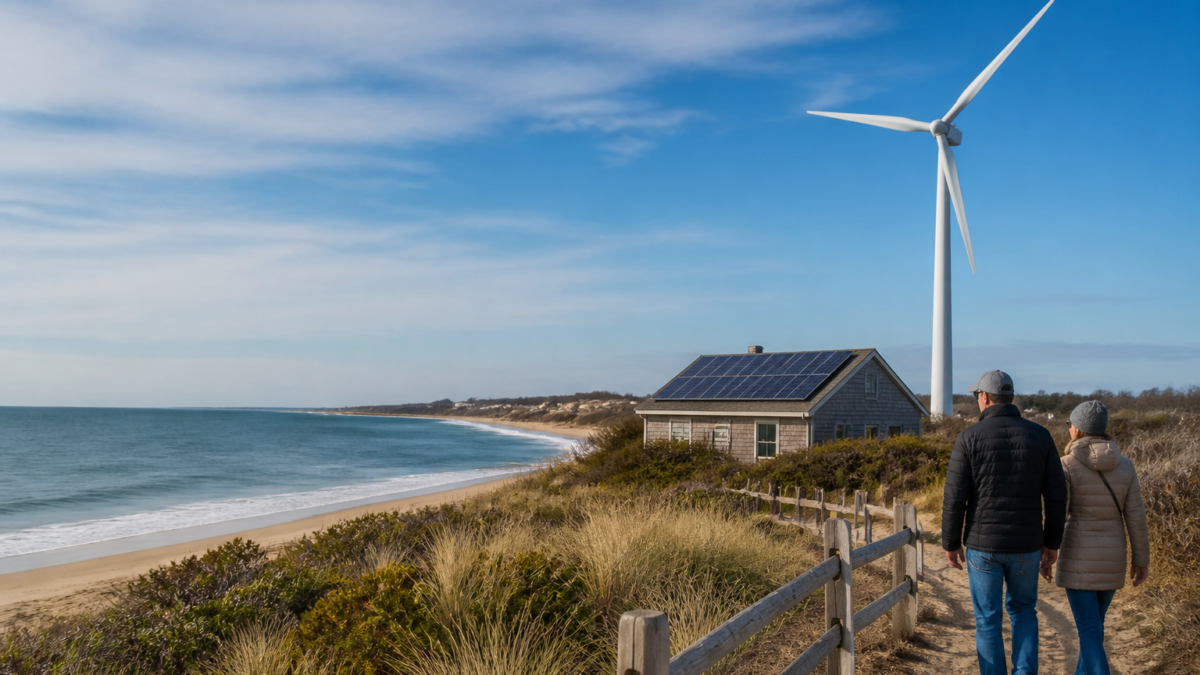
- Cape Cod’s energy transition is based on several approaches rather than one single project, including solar power, energy efficiency, electrification, grid planning and potential offshore wind-related activity.
- The Cape Cod Commission has created planning tools and model bylaws to help communities evaluate renewable-energy projects without unnecessarily disturbing forests, wetlands and other sensitive areas.
- Coastal resilience is closely connected to energy planning because roads, substations, homes and other infrastructure face risks from flooding, erosion and severe storms.
- Cape Cod is working toward a cleaner and more resilient energy system, but the region is not fully energy independent and still depends on broader Massachusetts and New England electricity networks.
What “Energy Independence” Means on Cape Cod
The phrase “energy independence” can be misleading if it suggests that Cape Cod is about to generate all of its own electricity locally. The region remains connected to the larger New England power grid, and local renewable projects cannot immediately replace every source of imported electricity or fossil-fuel use.
In practice, Cape Cod’s clean-energy effort is better understood as a combination of goals: using less energy, producing more electricity from renewable sources, electrifying transportation and building systems, improving grid reliability, and preparing communities for climate-related disruptions. The Cape Cod Climate Action Plan identifies clean energy, efficient buildings, low-carbon transportation and natural carbon storage as related parts of the region’s long-term response.
That distinction matters. A community can become more energy secure without operating as a completely isolated power system. Rooftop solar, battery storage, efficiency upgrades and a stronger distribution network may help reduce demand on the grid and improve resilience during outages, even when the region continues to exchange electricity with neighboring areas.
Solar Planning Focuses on Location, Not Just Capacity
Solar power is one of the most visible parts of the Cape Cod clean-energy conversation. Homes, businesses, parking areas and public facilities may all offer opportunities for photovoltaic systems. However, installing more solar panels is not simply a matter of finding open land. Poorly planned development can remove vegetation, disturb habitat or compete with conservation priorities.
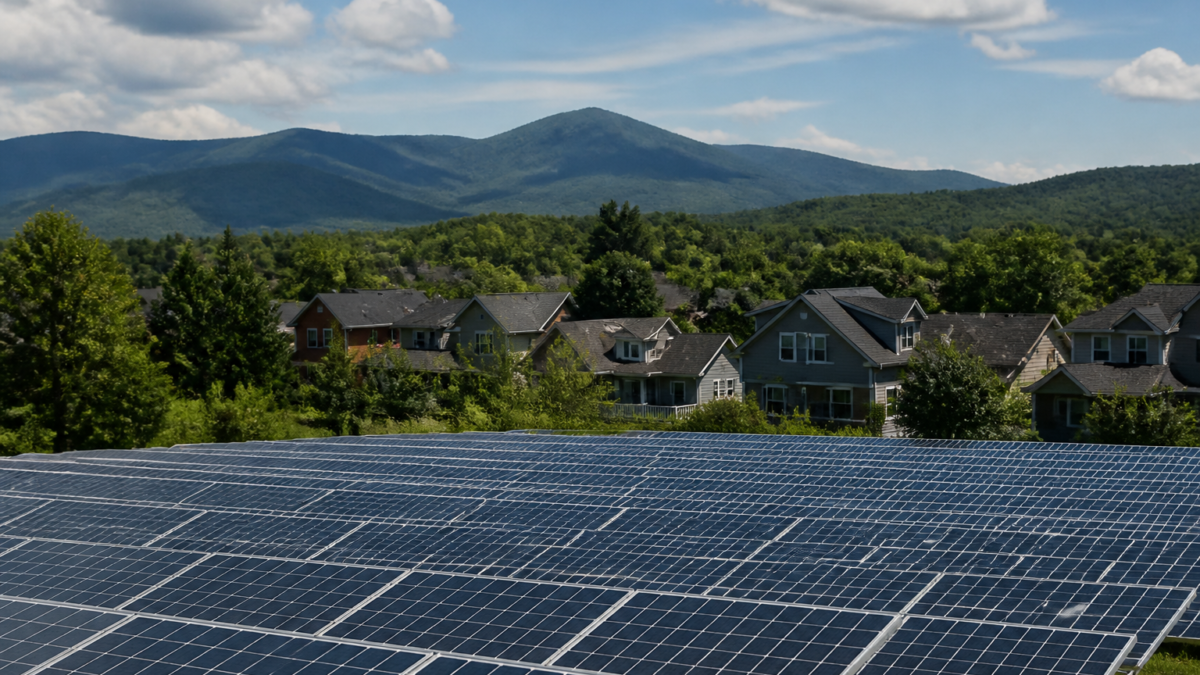
To address that challenge, the Cape Cod Commission developed a Solar Screening Tool that helps identify locations that may be more appropriate for large-scale solar installations. The tool considers both developed areas and environmental constraints, with an emphasis on steering projects away from important conservation resources when possible.
The Commission also created a model large-scale solar bylaw. It is intended to give Cape Cod communities a framework for reviewing ground-mounted solar projects, including questions about siting, land disturbance and community compatibility. A model bylaw is guidance rather than a single region-wide permit; individual towns still make decisions through their own local planning and regulatory processes.
This approach reflects a practical compromise. Cape Cod needs additional renewable generation, but the environmental benefits of clean electricity can be reduced if a project causes unnecessary clearing or damages natural systems that store carbon, filter water or support wildlife. Using rooftops, parking canopies, previously disturbed land and carefully screened locations can help reduce that conflict.
Offshore Wind Is a Regional Opportunity, Not a Local Shortcut
Offshore wind is another important part of the region’s energy discussion. Wind resources in the Atlantic have attracted major development interest, and projects in federal waters south of Massachusetts may eventually contribute electricity to the wider New England system. These facilities are not the same as a Cape Cod-owned power supply, and their construction, permitting, transmission connections and operations depend on state, federal and industry decisions.
The Cape Cod Commission’s climate planning materials describe possible regional benefits from offshore wind, including opportunities to train workers and explore operations or servicing activity connected with offshore installations. The Commission’s Climate Actions Database lists workforce training, offshore-energy landfalls, transmission planning and grid-capacity analysis among potential actions.
Those possibilities should not be presented as guaranteed job totals or confirmed local facilities. Workforce and economic benefits depend on where companies locate support operations, how projects are financed, which ports are used and whether local residents receive relevant training. The same caution applies to electricity benefits: an offshore wind project can add clean generation to the regional grid without making Cape Cod electrically self-sufficient.
Offshore wind also requires careful environmental review. Ocean construction, cable routes, port activity and onshore transmission connections can affect marine habitats, fisheries, navigation and coastal communities. For that reason, the most useful question is not whether offshore wind is automatically beneficial or harmful. It is how projects are designed, reviewed and managed over their full life cycle.
Grid Modernization Is Essential to the Transition
Renewable generation is only one part of an effective energy strategy. As more residents adopt electric vehicles, heat pumps and electric appliances, electricity demand may change in both amount and timing. Solar production is also variable, with output typically highest during daylight hours. These factors create planning challenges for utilities and local governments.
Cape Cod’s climate-action materials identify several related needs: understanding future electricity demand, assessing substations and transmission corridors, expanding electric-vehicle charging, evaluating battery storage and exploring decentralized systems such as microgrids. These measures can help communities manage periods of high demand and maintain critical services during some outages.
Grid improvements are not always visible to the public. They may involve distribution equipment, transformer capacity, charging infrastructure, permitting procedures, emergency planning or coordination between towns and utilities. Nevertheless, these behind-the-scenes investments determine whether new solar, electrified buildings and electric transportation can operate reliably at a larger scale.
Why Wetlands and Coastal Land-Use Rules Matter
Protecting Cape Cod’s natural resources is not separate from energy planning. Wetlands, salt marshes, dunes, beaches and coastal banks provide habitat and recreation, while also helping manage stormwater, flooding and erosion. The Cape Cod Commission’s 2025 Wetlands Resources Technical Bulletin describes wetlands as important for groundwater recharge, water-quality protection, wildlife habitat and storm protection.
These natural systems are especially valuable as sea levels rise and storms place more pressure on roads, homes and public infrastructure. Development in vulnerable areas can increase exposure to damage and may interfere with the natural movement of wetlands, dunes and shorelines.
In response, the Commission has developed model coastal-resilience and wetlands regulations. Its coastal floodplain resiliency guidance includes strategies involving natural-resource protection, flood mitigation and land-use controls. Depending on the local rule and project, these tools may address development in flood-prone areas, limits on fill, elevation requirements and protection of wetland migration corridors.
Because Cape Cod contains 15 towns with different local governments and land-use rules, implementation is not identical everywhere. A model regulation can provide a consistent starting point, but adoption and enforcement occur through local processes. Residents considering construction, redevelopment or renewable-energy installations should consult the relevant town departments and permitting authorities rather than assume that another Cape community follows the same requirements.
Community Participation Shapes What Gets Built
Local participation is a significant part of the region’s clean-energy planning. Solar siting, transmission corridors, battery storage, electric-vehicle infrastructure and coastal development can affect neighborhood character, property owners, businesses and conservation areas. Public meetings, planning-board reviews and community discussions give residents opportunities to raise concerns and evaluate tradeoffs.
Participation is most useful when it moves beyond a general preference for sustainability. Questions about a proposed project might include: How much land will be cleared? Could an existing roof or parking area be used instead? What maintenance and end-of-life plans are in place? How will emergency access be protected? Will the project require new transmission equipment? What benefits are local, and which are regional?
These questions do not automatically support or reject a project. They help make the decision more specific and transparent, which is particularly important in a region where environmental protection, housing, tourism, fisheries and infrastructure needs often overlap.
What Progress Should Be Measured?
Broad promises about a “sustainable future” are difficult to evaluate without measurable indicators. A stronger assessment of Cape Cod’s progress would look at several outcomes over time:
- Renewable electricity added on rooftops, parking canopies and appropriately sited ground-mounted facilities.
- Changes in building energy use and adoption of efficient electric heating and cooling.
- Availability and use of electric-vehicle charging infrastructure.
- Grid upgrades, battery-storage deployment and the resilience of critical facilities.
- Wetland, dune and shoreline protection measures adopted by individual towns.
- Whether clean-energy projects provide training, contracting or employment opportunities for local workers.
These measures also reveal the limits of the effort. Renewable-energy projects can face permitting delays, interconnection constraints, financing challenges, visual concerns and conflicts over land use. Coastal regulations can reduce risk, but they cannot eliminate flooding, erosion or storm damage. Energy independence is therefore a long-term regional objective rather than a condition Cape Cod can achieve through one solar installation or offshore wind proposal.
The Bottom Line
Cape Cod is pursuing a layered clean-energy strategy: encourage renewable generation, plan solar development carefully, prepare for offshore-wind-related opportunities, modernize the grid and protect the natural systems that make the region more resilient. The strongest feature of this approach is its emphasis on coordination. Energy projects are being considered alongside wetlands, flood risk, transportation, economic development and local land-use decisions.
The region’s progress should be judged by implementation rather than broad declarations. Clear project information, public permitting records, reliable performance data and regular updates from towns, utilities and regional agencies can show which goals are being met and where obstacles remain. For residents and visitors, the practical lesson is that Cape Cod’s energy future will be shaped not only by the amount of renewable power installed, but also by where projects are located, how the grid is prepared and whether coastal resources are allowed to continue performing their protective functions.
Leave a Reply