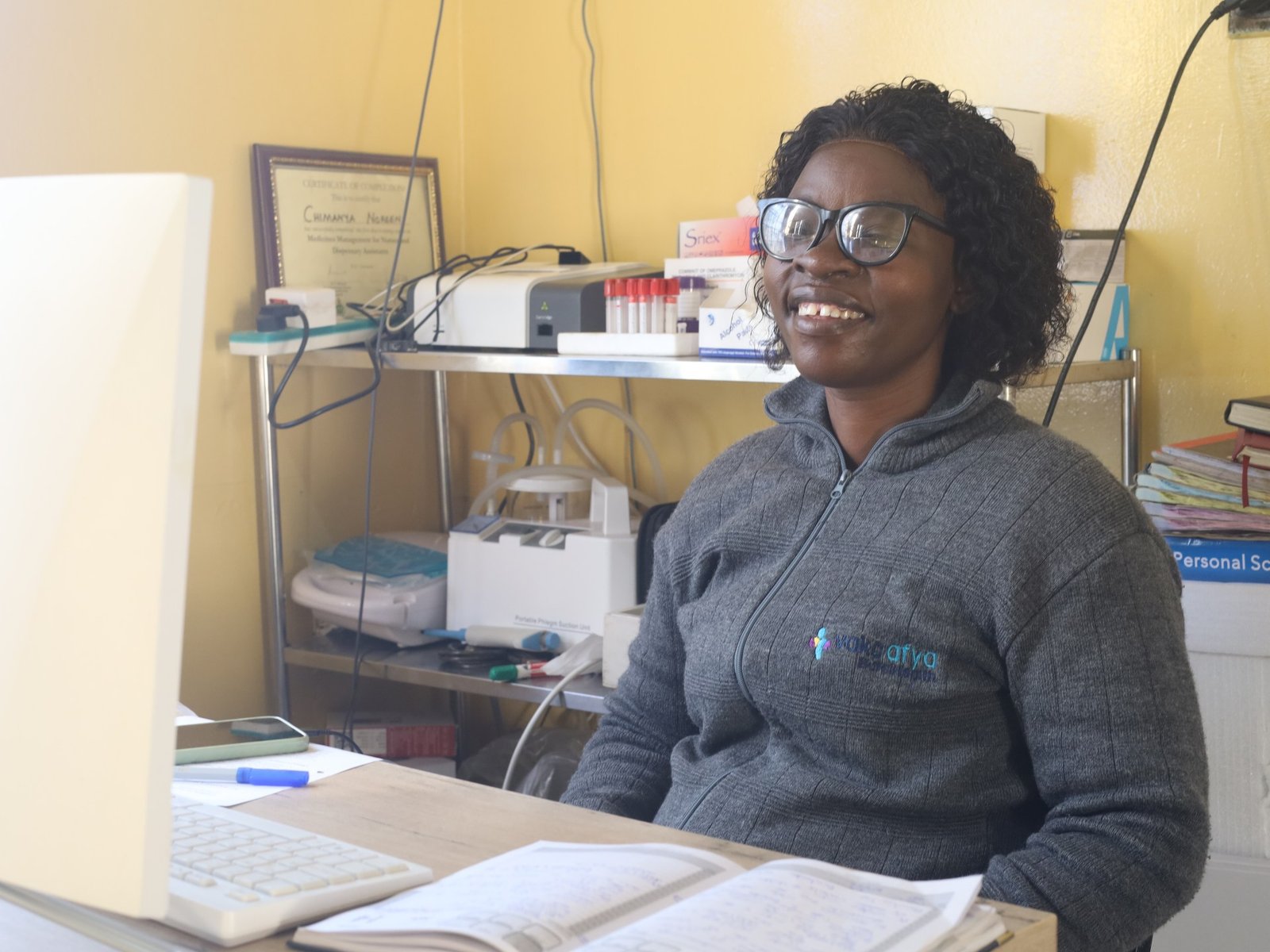
Key Takeaways
- Virtual consultations are reducing travel time and costs for rural Zimbabweans seeking medical care.
- Telehealth solutions are proving effective in addressing healthcare shortages and improving access to specialists.
- The implementation of telehealth is fostering a more equitable healthcare system in remote areas of Zimbabwe.
The Core News Story
In Zimbabwe, particularly in its rural regions, access to quality healthcare has long been a challenge. Many communities are situated far from urban hospitals and clinics, forcing residents to travel hours, if not days, to receive essential medical services. This arduous journey often results in delayed treatments, exacerbating health issues that could have been managed effectively with timely care. However, the advent of telehealth is revolutionizing the healthcare landscape, offering a beacon of hope for many rural Zimbabweans.
Telehealth, the delivery of health-related services via digital communications, has swiftly become a crucial component of Zimbabwe’s healthcare system. By utilizing mobile technology and internet connectivity, healthcare providers can conduct virtual consultations, allowing patients to receive medical advice from the comfort of their homes. This innovation is particularly significant for those living in remote areas where healthcare facilities are limited or entirely absent.
Various NGOs and local health organizations have taken the lead in implementing telehealth systems, equipping healthcare workers with training and tools to facilitate virtual consultations. Patients can now consult with doctors and specialists without the burden of long-distance travel, which not only saves time but also reduces transportation costs, making healthcare more accessible to economically disadvantaged populations.
Expert Analysis & Impact
Experts in health policy and telemedicine have noted that the impact of telehealth in rural Zimbabwe extends beyond mere convenience. Dr. Tendai Moyo, a healthcare analyst based in Harare, highlights that telehealth is instrumental in addressing the severe shortage of healthcare professionals in rural areas. “With many doctors choosing to work in urban centers where they can earn higher salaries, rural populations are often left without adequate medical support,” Dr. Moyo explains. “Telehealth bridges this gap by connecting patients with specialists who may be hundreds of miles away.”
Moreover, the use of telehealth has shown to improve patient outcomes significantly. A study conducted by the Ministry of Health revealed that patients who utilized telehealth services reported higher satisfaction levels and better management of chronic conditions compared to those who relied solely on in-person visits. The ability to consult frequently with healthcare providers helps in ongoing monitoring and timely interventions, which are crucial for chronic disease management.
Despite its benefits, challenges remain. Limited internet connectivity and electricity supply in some rural areas can hinder the effectiveness of telehealth services. However, initiatives to improve digital infrastructure are underway, with both government and private sectors recognizing the importance of technology in enhancing healthcare access.
Future Outlook
The future of telehealth in rural Zimbabwe appears promising as more stakeholders rally to support this healthcare model. The Zimbabwean government has expressed commitment to integrating telehealth into the national healthcare strategy, indicating a potential increase in funding and resources allocated to this sector. As mobile technology continues to advance, the reach of telehealth is expected to expand, potentially incorporating features such as remote monitoring devices and mobile health applications.
Additionally, ongoing training for healthcare providers in digital literacy will be essential to maximize the potential of telehealth. As these professionals become more adept at utilizing technology, the quality of care delivered through virtual means will only improve, further closing the healthcare gap.
Conclusion
As Zimbabwe navigates its healthcare challenges, telehealth stands out as a transformative approach that has already begun to reshape the lives of many rural residents. By making healthcare more accessible and affordable, virtual consultations are not merely a temporary solution but a vital component of a sustainable healthcare system. The positive outcomes observed thus far suggest that with continued investment and support, telehealth can play a pivotal role in ensuring that every Zimbabwean, regardless of their location, has access to the medical care they need. The journey toward equitable healthcare is ongoing, and telehealth is helping to pave the way.
“`
Context Reference: Original Publisher
About The Author




![BYD’s new flagship EV breaks cover for the first time with over 1,000 km of range [Video]](https://digitaladsvertic.com/wp-content/uploads/2026/07/BYD-Great-Han-flagship-EV-images-150x150.jpeg)






![BYD’s new flagship EV breaks cover for the first time with over 1,000 km of range [Video]](https://digitaladsvertic.com/wp-content/uploads/2026/07/BYD-Great-Han-flagship-EV-images-300x150.jpeg)