Key Takeaways
- The Iran-backed Houthi movement has intensified its military operations against Saudi Arabia, exploiting a period of heightened vulnerability.
- This escalation aims to secure political concessions in Yemen amidst ongoing power struggles in the region.
- The conflict may reshape regional alliances and impact global oil markets, raising concerns over stability in the Middle East.
The Core Story
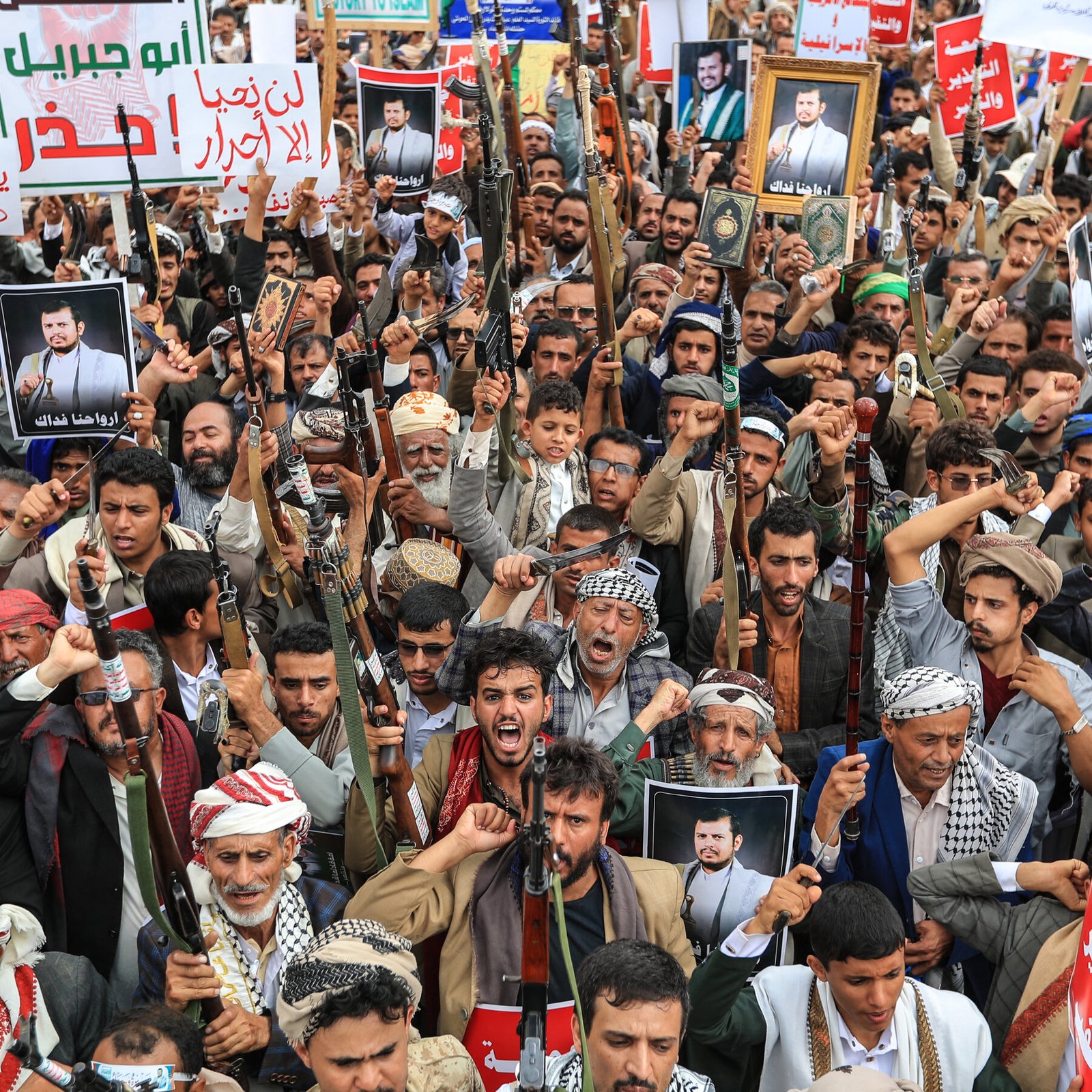
In a startling shift in the geopolitical landscape of the Middle East, the Iran-supported Houthi militia has intensified its military actions against Saudi Arabia, capitalizing on a moment of perceived weakness for its neighbor. The Houthis, who have been embroiled in a protracted civil war in Yemen since 2014, are now making calculated moves to assert their influence, aiming to force political concessions from the Saudi-led coalition in the ongoing conflict.
The backdrop of this escalation can be traced to several factors. Firstly, the Houthis have significantly expanded their missile and drone capabilities, a development attributed to Iranian support and technology transfer. Recent reports indicate that the group has successfully carried out attacks deep within Saudi territory, targeting critical infrastructure and military installations. This newfound capability has emboldened the Houthis, allowing them to challenge the Saudi military’s longstanding dominance in the region.
Moreover, the internal dynamics within Saudi Arabia have created an environment ripe for Houthi exploitation. The Kingdom is currently grappling with economic challenges, partly exacerbated by the global oil market fluctuations and the ongoing repercussions of the COVID-19 pandemic. These issues have stretched the Saudi military’s resources and focus, making it increasingly vulnerable to external threats.
Additionally, the Houthis aim to leverage this vulnerability to renew their demands for political recognition and influence in Yemen’s future governance. This strategy aligns with Iran’s broader regional goals, as Tehran seeks to expand its sphere of influence through proxy groups, challenging Saudi Arabia’s regional hegemony.
Expert Analysis & Industry Implications
This development is significant not only for Yemen and Saudi Arabia but also for the broader Middle Eastern geopolitical landscape. The escalation of conflict between the Houthis and Saudi Arabia signals a potential shift in power dynamics, which could have far-reaching implications for regional stability and international relations.
From a market perspective, the volatility introduced by renewed conflict in Yemen poses risks to global oil supplies. Saudi Arabia, as one of the world’s leading oil exporters, plays a crucial role in maintaining stability in oil prices. Any sustained military engagement could disrupt production and transportation routes, leading to fluctuations that would affect global markets. Investors and consumers alike should monitor this situation closely, as disruptions could lead to higher prices at the pump and increased costs for goods dependent on oil.
Moreover, this conflict may prompt a reevaluation of alliances in the region. Countries traditionally aligned with Saudi Arabia may reconsider their positions as the dynamics shift. This could lead to a realignment of power that might embolden other regional actors, such as Turkey or Qatar, to assert themselves in ways that could further complicate the geopolitical landscape.
Future Outlook & Predictions
Looking ahead, several potential scenarios could emerge from this escalating conflict. If the Houthis continue to gain ground and secure concessions from Saudi Arabia, it may lead to a more entrenched stalemate in Yemen, prolonging the suffering of its civilian population and complicating humanitarian efforts.
Conversely, should Saudi Arabia manage to regroup and respond effectively to the Houthi threat, it could lead to a resurgence of military operations aimed at restoring its position in Yemen. This response could escalate into a broader regional conflict involving Iranian interests, potentially drawing in other external powers.
Long-term, the situation may catalyze a more concerted international effort to broker peace in Yemen, as the humanitarian crisis continues to worsen. Global stakeholders, including the United Nations and Western powers, may push for renewed diplomatic initiatives to mitigate the repercussions of this conflict on regional stability.
Final Verdict / Conclusion
The ongoing conflict involving the Iran-backed Houthis and Saudi Arabia is not merely a localized issue; it reflects deeper regional tensions that could have significant global ramifications. As the Houthis leverage Saudi vulnerabilities to advance their agenda, the potential for escalated conflict looms large, with implications for oil markets, regional alliances, and humanitarian conditions in Yemen. Stakeholders worldwide must remain vigilant as this situation unfolds, recognizing that the stakes are high for not only the Middle East but for global stability at large.
Context Reference & Source: Original News Coverage
About The Author




![BYD’s new flagship EV breaks cover for the first time with over 1,000 km of range [Video]](https://digitaladsvertic.com/wp-content/uploads/2026/07/BYD-Great-Han-flagship-EV-images-150x150.jpeg)






![BYD’s new flagship EV breaks cover for the first time with over 1,000 km of range [Video]](https://digitaladsvertic.com/wp-content/uploads/2026/07/BYD-Great-Han-flagship-EV-images-300x150.jpeg)