Key Takeaways
- Democratic candidates clash over AIPAC funding and campaign strategies during a heated Senate debate.
- El-Sayed’s controversial “ogre on a pike” remark sparks backlash and raises questions about party unity.
- Electability concerns and financial transparency become central issues as candidates scrutinize each other’s backgrounds.
The Core Story
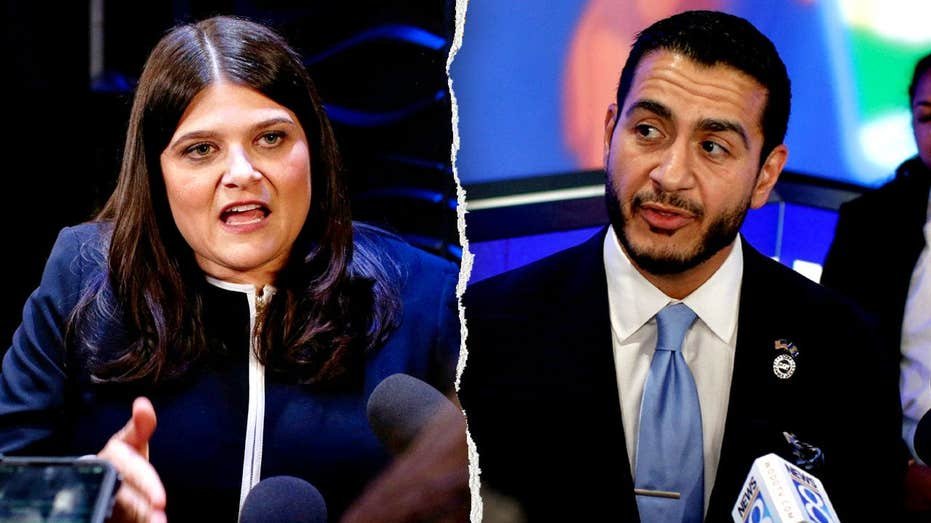
In a notable Senate debate that underscored the growing rifts within the Democratic Party, candidates faced off over issues of funding, electability, and ethics. The spotlight fell on candidate Abdul El-Sayed, who has been at the center of controversy following his remarks about an “ogre on a pike,” a metaphor he used to criticize political adversaries. This comment, which some interpreted as an attack on fellow Democrats, drew significant backlash from party members who are increasingly wary of divisive rhetoric within their ranks.
El-Sayed’s refusal to apologize for his comment has sparked intense debate about party loyalty and the need for a unified front, particularly as the Democrats gear up for crucial elections. During the debate, rival candidate Haley Stevens took aim at El-Sayed’s financial transparency, pointing to his unreleased tax returns and an estimated $300,000 in outside income as red flags that could undermine his electability.
This clash illustrates a broader struggle within the Democratic Party as it navigates the complexities of campaign financing, particularly in relation to organizations like the American Israel Public Affairs Committee (AIPAC), whose financial contributions have come under scrutiny. The debate served as a microcosm of the larger ideological battles within the party, as candidates grapple with the need to appeal to various factions while maintaining a cohesive message.
Expert Analysis & Industry Implications
The implications of this debate extend well beyond the candidates involved. The tensions around AIPAC funding highlight the growing divide within the Democratic Party between progressive and establishment factions. As voters become increasingly aware of the influence of money in politics, candidates who align themselves with organizations like AIPAC may face backlash from constituents who prioritize ethical governance over financial support.
Moreover, El-Sayed’s “ogre on a pike” comment reveals a critical issue in political discourse: the challenge of maintaining civility while also standing firm on policy disagreements. As the Democratic Party attempts to unify its messaging, the risk of alienating voters with inflammatory rhetoric poses a significant threat to their electoral prospects.
Additionally, Stevens’s focus on financial transparency underscores a broader demand among voters for accountability from their representatives. In an era where economic inequality is a central concern, candidates who fail to disclose their financial dealings may find themselves at a disadvantage. This scrutiny is likely to resonate particularly with younger voters and those who prioritize progressive values, amplifying calls for more transparent campaign practices.
Future Outlook & Predictions
Looking ahead, the Democratic Party will need to navigate these tensions carefully if it hopes to maintain a competitive edge in upcoming elections. The focus on AIPAC funding may continue to polarize candidates, particularly as progressive Democrats call for a reevaluation of the party’s relationship with pro-Israel organizations. This could result in a shift in campaign strategies, with candidates seeking to align themselves more closely with grassroots movements that prioritize transparency and ethical governance.
Furthermore, the debate over financial transparency is likely to intensify as candidates prepare for primaries. Expect to see increased pressure on candidates to provide comprehensive disclosures of their financial backgrounds and campaign contributions. This could lead to a new norm in political campaigning, where transparency becomes a decisive factor in voters’ decision-making processes.
Ultimately, the fallout from this debate will shape the narrative of the Democratic Party as it heads toward the 2024 elections. The ability of candidates to unify their message while addressing the concerns of diverse voter bases will be paramount. If the party can navigate these internal divisions effectively, it may emerge stronger; otherwise, the ongoing infighting could be detrimental to their electoral success.
Final Verdict / Conclusion
The recent Senate debate has laid bare the complexities and challenges facing the Democratic Party as it grapples with issues of funding, rhetoric, and electability. As candidates like El-Sayed and Stevens clash over their differing approaches to these issues, it is clear that the party must prioritize unity and transparency to resonate with an increasingly discerning electorate. Moving forward, how the Democratic Party addresses these internal conflicts will be crucial in determining not only their electoral success but also their long-term viability as a cohesive political entity.
Context Reference & Source: Original News Coverage
About The Author